Fish
Fish Fire
Fire Hike
Hike Bird
Bird


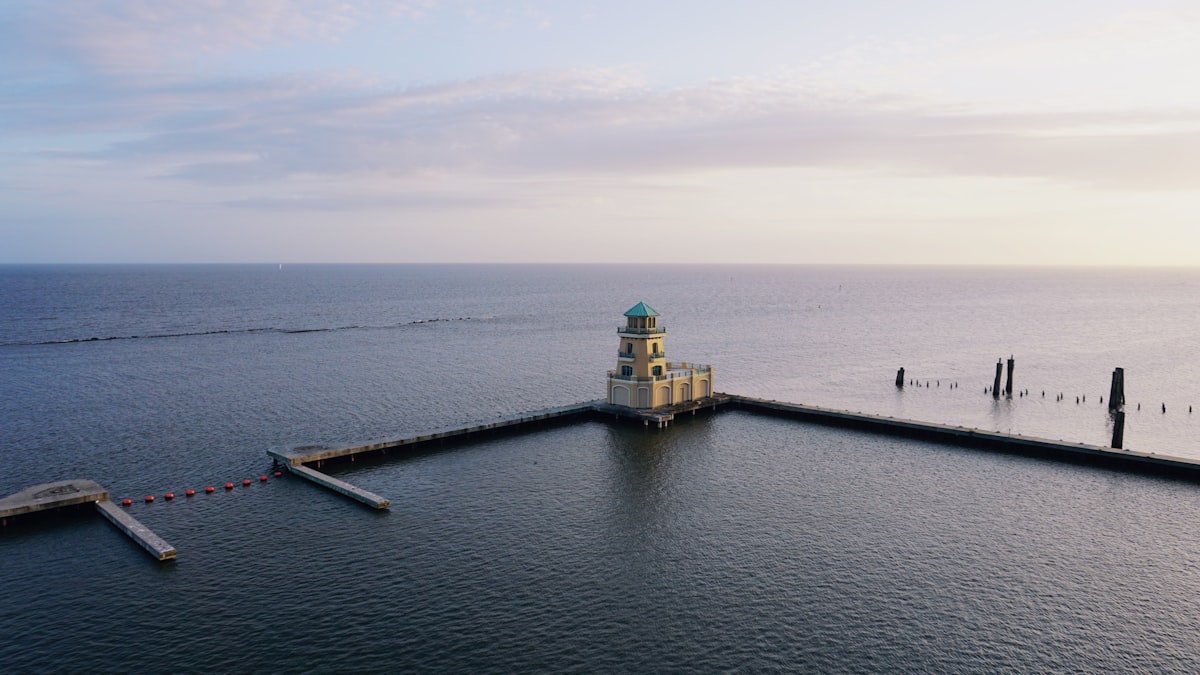
Biloxi sits on the Mississippi Gulf Coast, fronted by a shallow sound, a maze of marsh and bayous, and a string of barrier islands a few miles offshore. It's a warm, fertile, year-round inshore fishery built around three fish that Mississippi anglers simply call "the Big Three", speckled trout, redfish, and flounder. The water is forgiving, the season never really closes, and you can catch fish from a kayak, a charter, a pier, or the beach. For a first-timer, Biloxi is one of the easiest places on the Gulf to learn, and this guide walks through how.
For the full overview, the species, the islands, and the seasons, read our complete Biloxi fishing guide.
First: License and Rules
Anyone 16 or older needs a Mississippi saltwater fishing license to fish the coast. If you book a licensed charter, the boat covers you; fishing on your own, buy a non-resident saltwater license online from the Mississippi Department of Marine Resources (short-term options exist for visitors). Speckled trout, redfish, and flounder all have size and creel limits that change periodically, your captain will brief you, but if you're fishing solo, check the current Mississippi saltwater regulations (redfish in particular have a slot limit, keeping fish within a set length range). Mind the rules and you'll be fine; the inshore fishing here is healthy and generous.
The Big Three: Speckled Trout, Redfish, and Flounder
These three species are the heart of Biloxi fishing, they overlap in the same water, and you'll often catch all three on the same trip. Here's how to target each.
Speckled trout (specks) school over grass flats, around reefs and oyster bottom, and along drop-offs and the deeper edges of bayous. The single most effective and beginner-friendly setup is a popping cork rig: a weighted, concave float that you "pop" with a sharp twitch to imitate feeding fish, with a leader below it to a Berkley Gulp Shrimp in New Penny on a 1/4-ounce jighead (or a live shrimp). Cast it out, pop it, pause, and let the bait flutter down, the pop calls the fish in and the bait does the rest. A live shrimp under a cork is deadly when the fish are picky. Trout have soft, papery mouths, so set the hook with a smooth sweep and keep steady pressure.
Redfish (red drum) prowl the marsh edges, oyster bars, dock pilings, and shallow flats, often pushing wakes or "tailing" with their backs out of the water as they root for crabs on the bottom. They'll crush the same popping-cork-and-Gulp setup, but they really shine on a bait fished tight to structure: a Matrix Shad or Berkley Gulp on a jighead bounced along the bottom, a gold Johnson Silver Minnow weedless spoon worked over the grass, or a live or cut bait (mullet, shrimp, crab) on the bottom near an oyster bar. Reds are strong, dogged fighters that pull hard, keep your drag set so a big one can run without breaking off.
Flounder lie flat on sandy and muddy bottoms, especially around drop-offs, channel edges, pier pilings, and the mouths of bayous where current funnels bait. They're an ambush predator, so you fish slow and on the bottom: drag a Gulp Swimming Mullet or a live mud minnow on a jighead very slowly across the bottom, and when you feel the distinctive "thump" and weight, pause a second to let the flounder turn the bait before setting the hook. Fall is the classic flounder time as they stage to move out through the passes.
Catching Redfish and Trout with a Popping CorkWhere to Fish: The Marsh, the Bays, and Deer Island
Biloxi's inshore water comes in a few flavors, and a first-timer should start in the protected stuff. The Biloxi Marsh, a vast maze of grass-lined ponds, cuts, and bayous, is redfish and speckled trout country, with countless oyster bars and drains that concentrate fish on moving tides. Deer Island, right off the Biloxi waterfront, is one of the most accessible and productive spots, with grass flats, points, and drop-offs that hold all three of the Big Three within sight of town. The Back Bay of Biloxi and the bayous (Bayou Bernard and others) give protected, year-round options when the wind is up, and the bridges and piers around the bay hold fish around their pilings.
The whole coast is tide-driven and shallow, so two rules apply almost everywhere: fish the moving tide (the bite is best when water is flowing, worst at slack), and look for structure, an oyster bar, a grass point, a drain, a piling, because that's where bait and predators gather.
How to Rig and Fish a Popping CorkThe Barrier Islands and Nearshore
A few miles south, the barrier islands, Ship, Horn, Cat, and the Chandeleurs further out, separate the Mississippi Sound from the open Gulf, and they offer a different, bigger-water experience on calm days. The islands' surf, points, and grass flats hold trophy "bull" redfish, big speckled trout, Spanish mackerel, and ladyfish, and you can wade the flats or fish from a boat. Ship Island also serves as a jumping-off point toward nearshore Gulf fishing for Spanish and king mackerel, and the area's reefs and rigs hold a wide variety of fish. Crossing the sound to the islands is a calm-weather, bigger-boat (or guided) endeavor, a great second step once you've got the inshore basics down.
Winter: Sheepshead and Black Drum
Biloxi fishes all year, but the cast changes in winter. As water cools, sheepshead (the convict-striped, human-toothed structure fish) and black drum become the stars, stacking up on the bridges, piers, reefs, and any hard structure. You catch them with bait on the bottom: a fresh dead shrimp or a fiddler crab on a Carolina rig or a simple knocker rig, fished tight to pilings and rocks. Sheepshead are notorious bait-stealers with a subtle bite, the saying is "set the hook right before they bite", so stay tight to the line and set fast. Black drum (the redfish's bigger, less glamorous cousin) take the same bait and grow large. Winter also produces some of the year's best redfish action as they school up in the marsh.
Shore and Pier Fishing
You don't need a boat to fish Biloxi. The beachfront, the piers, and the bridges give shore anglers a real shot at all the inshore species. Fish a popping cork with shrimp off a pier for specks, soak cut bait on the bottom for reds and drum, or drop a fiddler crab next to the pilings for sheepshead. The Biloxi-area piers and the bridges over the Back Bay are productive and free, making them a perfect, low-cost way to start, bring a small tackle bag, some live or fresh shrimp, and a cooler.
Reading the Tides and the Coast
If you take one thing from this guide, make it this: the Mississippi coast lives and dies by the tide. The Gulf's tides here are smaller than on the Atlantic, but the water still moves, and that movement is what triggers the bite. Moving water, incoming or outgoing, pulls bait through cuts, drains, and along bar edges, and the trout and redfish set up to ambush it. Slack tide, when the water stops, is usually slow. Before you go, check a tide chart for the Biloxi area and plan to fish the few hours around a tide change; a mediocre spot on a moving tide will out-fish a great spot on slack water.
Wind is the other big factor. The sound is shallow and a stiff south or east wind can muddy the water and make the open flats rough, which is exactly when you tuck back into the protected marsh, bayous, and the lee of Deer Island. A light wind and a moving tide with slightly stained (not muddy) water is prime, especially early and late in the day. Learn to spot the signs of feeding fish, slicks (oily patches on the surface where trout are feeding), diving birds, mullet flipping, and the wakes or tailing backs of redfish in the shallows, and go to them.
How the Big Three Move Through the Year
The same three fish are catchable all year, but where they live shifts with the seasons, and knowing the pattern saves you a lot of searching. In spring, warming water pulls speckled trout up onto the grass flats and reefs and scatters redfish across the marsh to feed, fish are shallow and aggressive. Through the heat of summer, the bigger trout pull to deeper, cooler water, the edges of channels, deeper reefs, and the passes, so fish early and late in the shallows and deeper in the midday heat, while reds stay catchable in the marsh on the tides. In fall, everything feeds up hard before winter: bull reds school in big numbers near the passes and beaches, flounder stage to migrate out through the passes (the famous "flounder run"), and the trout fishing is excellent. In winter, the fish concentrate, trout pull into the deeper bayous and the Back Bay's warmer holes, redfish school tightly in the marsh, and sheepshead and black drum take over the structure. Match your spot to the season and you'll find fish far faster.
Bull Reds and the Passes
A special mention for bull redfish, the big, over-slot reds (often 30 to 40-plus inches) that show up around the barrier-island passes, the beaches, and the deeper edges, especially in the fall. These are powerful fish that will test your drag and your arms, and they're a thrilling target for a first-timer who wants a big pull. Fish a larger bait, a chunk of fresh mullet, a whole blue crab half, or a big soft plastic, on a heavier jighead or a fish-finder rig on the bottom near a pass or a deep edge, with 30-pound braid and a 40-pound leader to handle the abuse. Bull reds are above the slot limit and must be released, so use a heavier setup to land them quickly, keep them in the water, support them horizontally for a photo, and revive them before letting go, they're breeding stock and the future of the fishery.
Gear: What to Bring
On a charter, everything's provided. Fishing on your own, one inshore setup covers nearly everything in Biloxi: a 7-foot medium-light St. Croix Mojo Inshore rod with a Penn Battle III 3000 reel, 15-pound braided line, and a 20-pound fluorocarbon leader. Carry a few popping corks, a bag of jigheads (1/8 and 1/4 ounce), Berkley Gulp Shrimp and Matrix Shad soft plastics, a couple of gold spoons, and some long-shank hooks and egg sinkers for bottom-fishing bait. Add a landing net, pliers, and a cooler. For winter sheepshead, bring a few fiddler crabs or fresh shrimp. That's the whole kit, Biloxi rewards simple, versatile inshore tackle.
How to Tie a Palomar KnotWhen to Go
- Spring (March–May): Excellent, speckled trout move onto the flats and reds are active in the marsh as the water warms. A top all-around season.
- Summer (June–August): Hot and productive; fish early and late, target trout on the deeper reefs and edges in the heat of the day, and chase reds in the marsh on the tides.
- Fall (September–November): Prime time, bull reds school up, flounder stage to run the passes, and the whole coast feeds up. Many locals' favorite season.
- Winter (December–February): Sheepshead and black drum on the structure, plus schooled-up redfish in the marsh on warm afternoons.
A First-Timer's Plan
For your first trip, book an inshore charter out of Biloxi or Ocean Springs, the captain supplies the boat, gear, bait, and license, and the protected marsh and Deer Island water makes for an easy, fish-filled day for the Big Three. No boat? Fish a popping cork with live shrimp off a pier or bridge for speckled trout, and drop a fiddler crab by the pilings in winter for sheepshead, cheap, simple, and effective. Get your Mississippi saltwater license online first if you're fishing on your own, and fish the moving tide.
For the full seasonal calendar and more coastal detail, see our complete Biloxi fishing guide. Fishing more of the Gulf? We also have first-timer guides for New Orleans and Orange Beach, AL.