Outer Banks Fishing: What You Catch Depends on Where You Stand
← All field notes

Outer Banks · North Carolina

Outer Banks Fishing: What You Catch Depends on Where You Stand

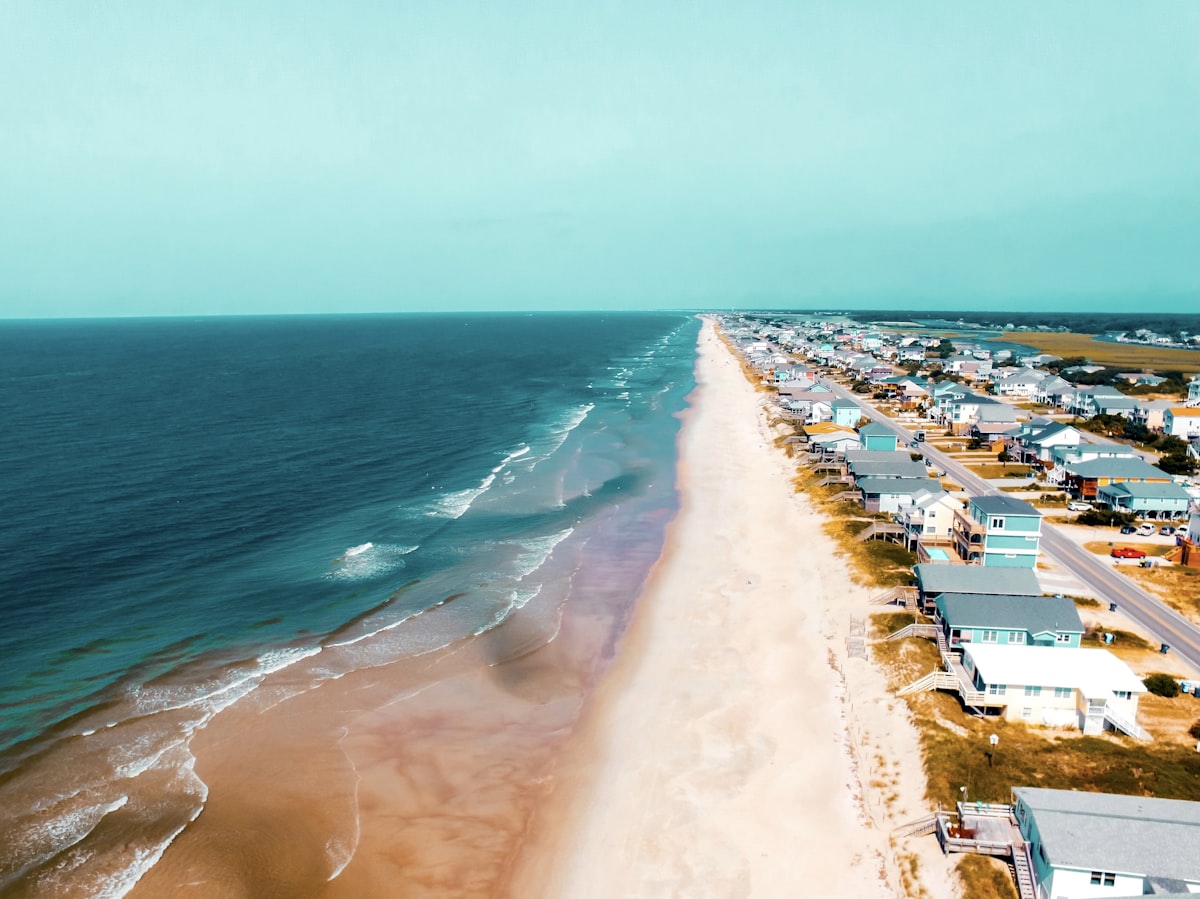
The Outer Banks is a 200-mile ribbon of sand between the Atlantic Ocean and the largest sounds on the East Coast. Whether you're on a pier, in the surf, on the sound, or offshore, the fish are different.

Colin Van Dyke

Colin Van Dyke

The Outer Banks is a chain of barrier islands stretching 200 miles off the North Carolina coast, separating the Atlantic Ocean from Pamlico Sound and Albemarle Sound, the two largest estuarine sounds on the East Coast. Where the cold Labrador Current meets the warm Gulf Stream just offshore, the collision creates one of the richest marine environments in the Western Atlantic.

The fishing here is defined by position. Where you stand, on a pier, in the surf, on the sound side, or 40 miles offshore, determines what species you access. And the Outer Banks gives you all four options within a few miles.

New to OBX? Our beginner's guide to fishing the Outer Banks covers the surf rigs, the piers, and where to stand for each species. For more of the region, see Myrtle Beach and Charleston.

The Piers, Walk-On Fishing Over Deep Water

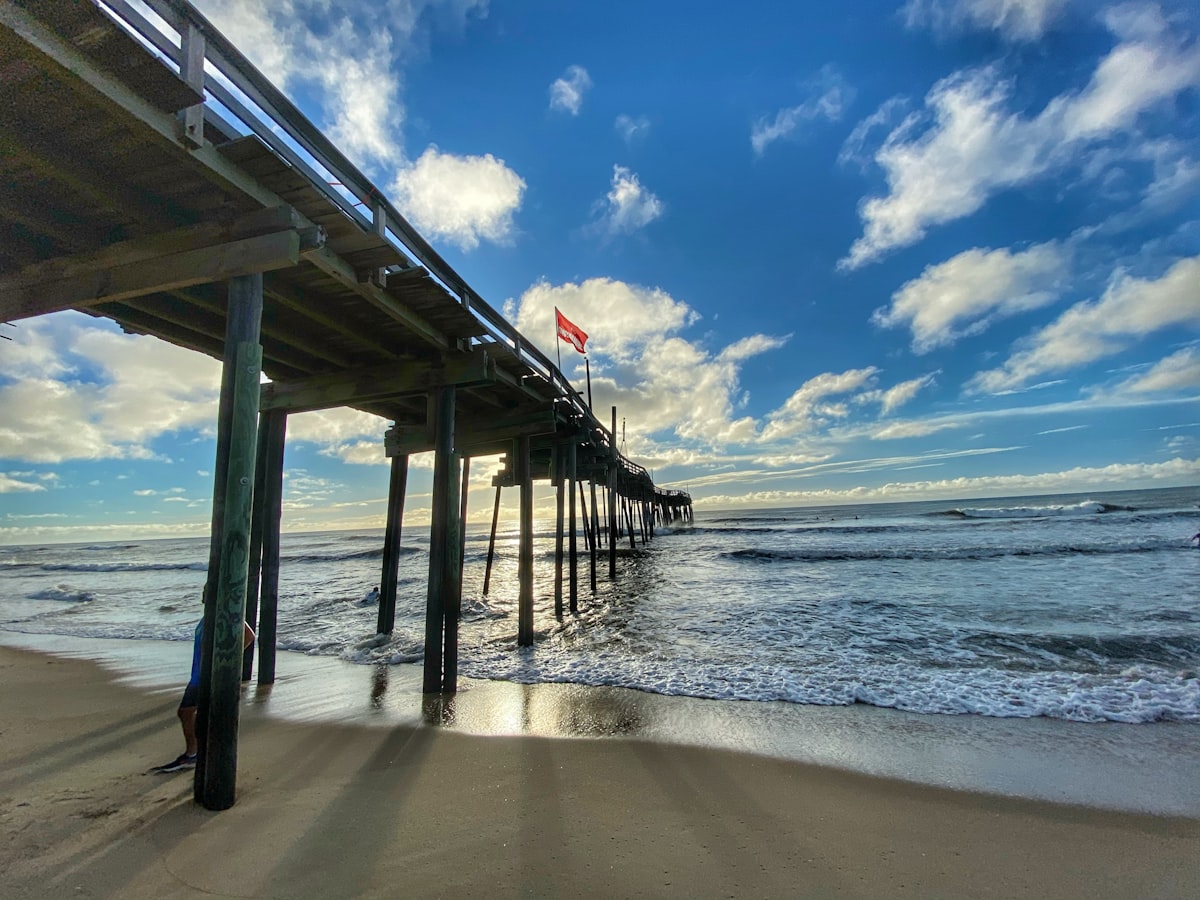
The Outer Banks has some of the best pier fishing on the East Coast. The piers extend hundreds of feet over the surf zone into water deep enough to hold species you'd normally need a boat to reach.

Jennette's Pier in Nags Head is the flagship, a 1,000-foot concrete pier operated by the North Carolina Aquarium. The Outer Banks Pier just south of it offers 24-hour fishing. Further south, the Rodanthe Pier on Hatteras Island and the Avon Pier put anglers over productive water with a tackle shop right on the deck.

What bites from the piers: Spanish mackerel from April through October, king mackerel in spring and fall, bluefish year-round, red drum in fall, cobia in summer, pompano, sea mullet, and spot. The night bite under the pier lights brings sharks, big bluefish, and red drum. No boat needed, no license needed on most piers.

The Surf, Cape Hatteras and Cape Point

Surf fishing on the Outer Banks is a tradition that runs deep. The wide, gently sloping beaches create troughs, sloughs, and sandbars that concentrate bait and predators, perfect structure for fishing from the sand.

Cape Point at Cape Hatteras is the most famous surf-fishing spot on the East Coast. The point where the beach juts into the ocean creates a natural convergence zone where currents collide and bait stacks up. Red drum over 40 inches are caught from the beach here every fall, and the October red drum run at Cape Point draws surf anglers from across the country.

The fall drum run (September through November) is the main event. Schools of big red drum, 40 to 55 inches, move along the beach and stack at the points and inlets. Surf anglers use heavy tackle, cut bait (mullet or menhaden), and long casts to reach the fish. Landing a citation drum from the sand is a bucket-list experience.

Beyond the drum run, the surf produces bluefish, pompano, sea mullet, flounder, and speckled trout through the warmer months. Winter surf fishing targets striped bass and large bluefish during nor'easters.

The Sound Side, Pamlico Sound

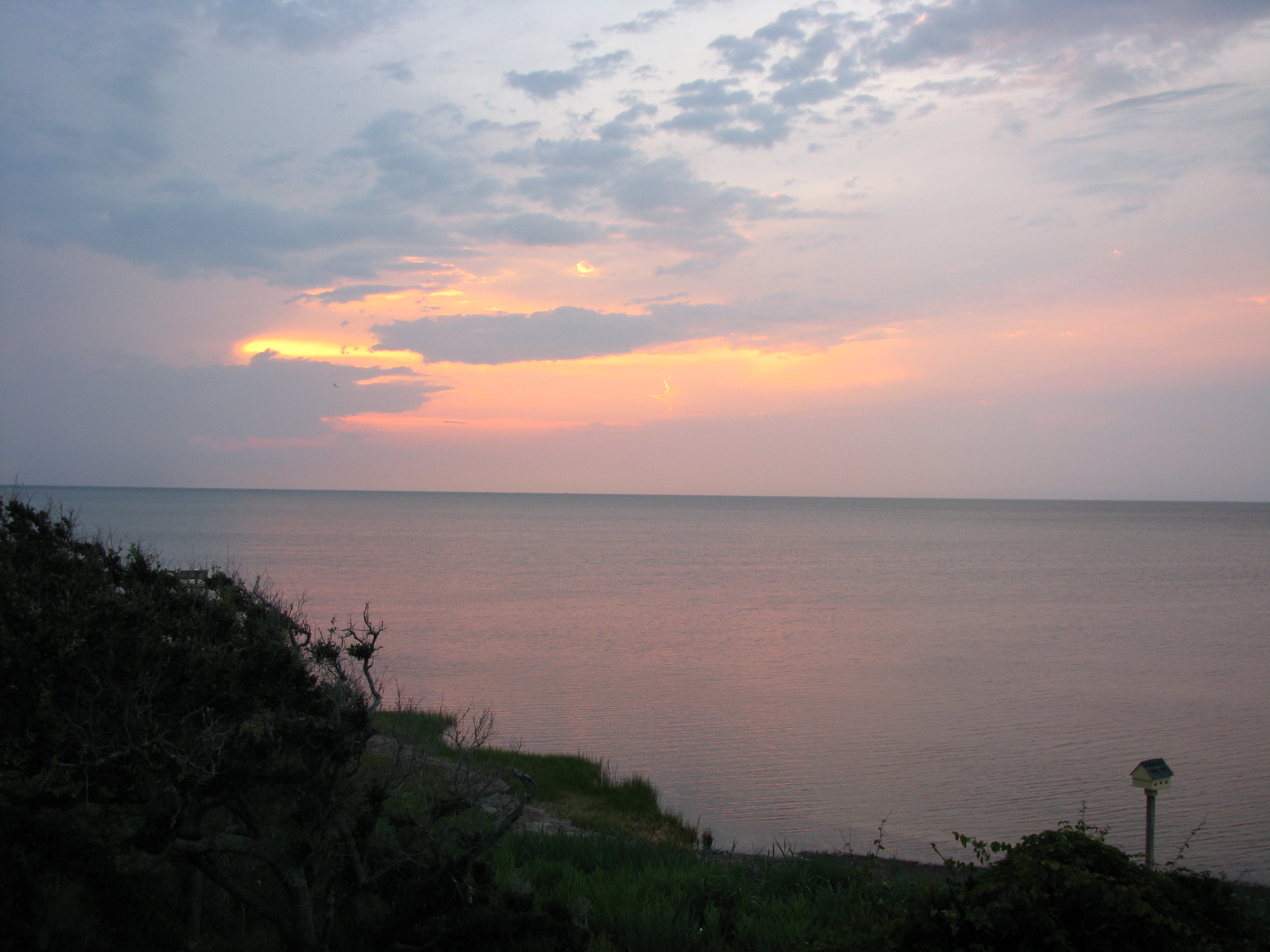
Pamlico Sound stretches 80 miles long and 20 miles wide behind the Outer Banks, a vast, shallow body of water that teems with life. Sound-side fishing is a different world from the ocean side: calmer water, lighter tackle, and a species mix that includes everything from puppy drum to tarpon.

Red drum in the sound are typically smaller than the ocean fish, 18 to 27 inches (slot-sized), but they're abundant and feed aggressively over the grass flats and oyster bars. Drifting the flats with soft plastics or live shrimp under a cork is the standard technique.

Speckled trout are the other primary sound species. They hold over sand potholes in the grass and along channel edges, and the Pamlico Sound trout fishery is one of the most productive on the East Coast.

Flounder lie along the channels and sandy transitions. Cobia cruise the sound in summer. And striped bass run the sound in the cooler months, mixing with the drum and trout to create a multispecies fishery that's accessible from small boats and kayaks.

Offshore, Oregon Inlet and the Gulf Stream

This is where the Outer Banks becomes a world-class destination. Oregon Inlet, the primary pass between Pamlico Sound and the Atlantic, is the launch point for the offshore charter fleet, and the Gulf Stream runs closer to the Outer Banks than almost anywhere north of Florida.

Blue marlin are the headline species. The Outer Banks is the only place on the US East Coast where blue marlin are reliably caught in numbers, peaking in June and July. White marlin and sailfish join the mix in August and September. The charter fleet out of Oregon Inlet, including the legendary boats at Pirate's Cove Marina and Oregon Inlet Fishing Center, is purpose-built for marlin fishing.

Yellowfin tuna are caught year-round, with peaks in spring and fall when the fish stack along the Gulf Stream edges. The fall yellowfin bite, October and November, is legendary, with fish running 30 to 80 pounds on the troll.

Bluefin tuna have become a growing fishery in winter and early spring, with giant bluefin over 500 pounds caught off the Outer Banks. Wahoo run the temperature breaks in fall and winter. Mahi-mahi show under debris from spring through fall.

When to Go

  • Spring (April–June): Spanish mackerel and cobia arrive, yellowfin offshore, marlin starting in June
  • Summer (June–August): Peak blue marlin, mahi-mahi, cobia, pier fishing at its best
  • Fall (September–November): The red drum run in the surf, yellowfin tuna offshore, the best all-around season
  • Winter (December–March): Giant bluefin tuna, striped bass in the sound and surf, large bluefish

Recommended gear

  • Penn Battle III 5000 Combo

    Mid-tier, OBX surf casting for drum and stripers

  • Penn Prevail II Surf Rod 12-foot

    Premium, distance casting from the OBX beaches

  • Penn Pursuit IV 5000 Combo

    Entry level, pier fishing and light surf

  • Fishbites E-Z Crab

    Red drum surf bait, stays on in the OBX surf

  • Gotcha Plug Silver/Red

    Spanish mackerel from the OBX piers

  • Storm Thunderstick Jointed Black/Silver

    Trolled for OBX stripers in the fall

Frequently asked

What fish can you catch on the Outer Banks?

From the surf and piers you'll catch red drum (channel bass), bluefish, Spanish and king mackerel, flounder, pompano, and sea mullet, plus striped bass in the cooler months. Pamlico Sound holds redfish, speckled trout, and false albacore, and the Gulf Stream out of Oregon Inlet and Hatteras produces yellowfin tuna, mahi-mahi, wahoo, sailfish, and blue marlin.

Can you fish the Outer Banks without a boat?

Absolutely, surf fishing is the heart of OBX angling. You can drive a four-wheel-drive onto the beach, set up at Cape Point in Buxton (where the fall drum blitz draws anglers from everywhere), or fish the piers at Nags Head, Avalon, Jennette's, and Rodanthe. No boat required.

How much does an Outer Banks fishing charter cost?

Inshore and Pamlico Sound charters typically run about $500 to $800 for a half to three-quarter day. Nearshore trips run roughly $900 to $1,300, and full-day Gulf Stream offshore trips out of Oregon Inlet or Hatteras for tuna and billfish range from about $2,000 to $2,800. Most include rods, tackle, bait, and mate.

When is the best time to fish the Outer Banks?

Fall (September through November) is the best all-around season, the red drum run hits the surf, yellowfin tuna stack offshore, and the weather is comfortable. Summer is peak for marlin and pier fishing. Spring brings the first offshore runs. Winter produces giant bluefin tuna and striped bass.

What is the fall red drum run at Cape Hatteras?

Every fall, schools of large red drum (40 to 55 inches) move along the Outer Banks beaches, concentrating at Cape Point where currents converge. Surf anglers use heavy tackle and cut bait to catch them from the sand. It's the most famous surf-fishing event on the East Coast.

Can you catch blue marlin off the Outer Banks?

Yes, the Outer Banks is the premier blue marlin fishery on the US East Coast. The Gulf Stream runs close to shore, and the offshore fleet out of Oregon Inlet targets blues from June through August. White marlin and sailfish join the mix in late summer.

Do you need a fishing license for the Outer Banks?

Pier fishing on most Outer Banks piers does not require a personal license, the pier's blanket permit covers you. Surf fishing requires a North Carolina Coastal Recreational Fishing License ($16 for residents, $32 for non-residents). Charter boats carry their own licenses for passengers.

What is Pamlico Sound fishing like?

Pamlico Sound is a vast, shallow estuary behind the Outer Banks, 80 miles long and 20 miles wide. It holds red drum, speckled trout, flounder, cobia, and striped bass over grass flats and oyster bars. Sound fishing is calmer than the ocean side and accessible by small boats and kayaks.

More North Carolina field notes

Urban Fishing in Charlotte: Bass in City Park Ponds, Catfish on the Catawba, and 27 Miles of Lake Shoreline Inside Mecklenburg County

Charlotte, NC

Urban Fishing in Charlotte: Bass in City Park Ponds, Catfish on the Catawba, and 27 Miles of Lake Shoreline Inside Mecklenburg County

Charlotte has over two dozen fishable park ponds stocked with bass and catfish, the Catawba River running along the western edge with blue catfish, striped bass, and largemouth, and 27 miles of lake shoreline on Norman, Wylie, and Mountain Island within Mecklenburg County parks. Loaner rods available at nature centers.

How to Fish the Outer Banks: A Beginner's Guide to OBX Surf, Pier, and Sound Fishing

Outer Banks, NC

How to Fish the Outer Banks: A Beginner's Guide to OBX Surf, Pier, and Sound Fishing

The Outer Banks is the East Coast's ultimate fishing destination, where 200 miles of barrier islands put you within casting distance of drum, bluefish, and striped bass. This guide covers surf fishing at Cape Point, pier fishing at Jennette's and Avalon, sound-side tactics on the Pamlico, and everything you need to start catching fish on OBX.

Fly Fishing the Great Smoky Mountains: Native Brook Trout, Old-Growth Streams, and the Oldest Mountains on Earth

Bryson City, NC

Fly Fishing the Great Smoky Mountains: Native Brook Trout, Old-Growth Streams, and the Oldest Mountains on Earth

The Great Smoky Mountains hold the last wild populations of Southern Appalachian brook trout, a fish that's been here since the ice age, living in streams that flow through old-growth forest unchanged for centuries. Here's how to find them.

How to Fish Pamlico and Albemarle Sound: A Beginner's Whole-Estuary Guide to Red Drum, Trout, and Striped Bass

Pamlico Sound, NC

How to Fish Pamlico and Albemarle Sound: A Beginner's Whole-Estuary Guide to Red Drum, Trout, and Striped Bass

North Carolina's Pamlico and Albemarle Sounds are the largest lagoon estuary on the East Coast, trophy red drum, speckled trout, and tarpon in the salty south, famous striped bass and largemouth in the fresher north. Here's the whole-estuary guide.