Fish
Fish Fire
Fire Hike
Hike Bird
Bird

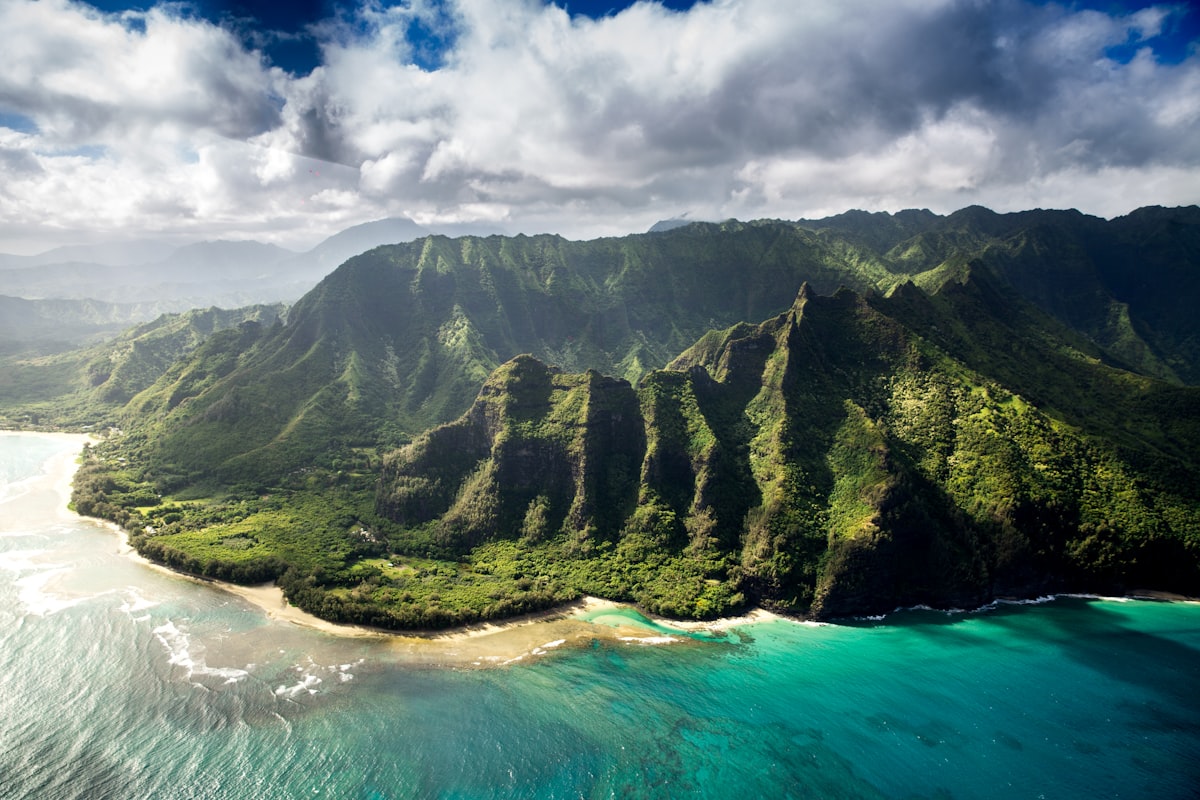

Oahu is the most visited Hawaiian island, home to Honolulu, Waikiki, and 70 percent of the state's population. It's also the most accessible island for fishing, the charter fleet is large, the harbors are well-equipped, and the deep water that holds pelagic species drops off sharply from every coast.
What makes Oahu's fishing interesting is the variety of access points. The island has four distinct coasts, south (Honolulu/Waikiki), north (Haleiwa/North Shore), west (Waianae/Leeward), and east (Windward), and each accesses different water, different currents, and different conditions depending on the season and the trade winds.
Kewalo Basin, The Honolulu Fleet
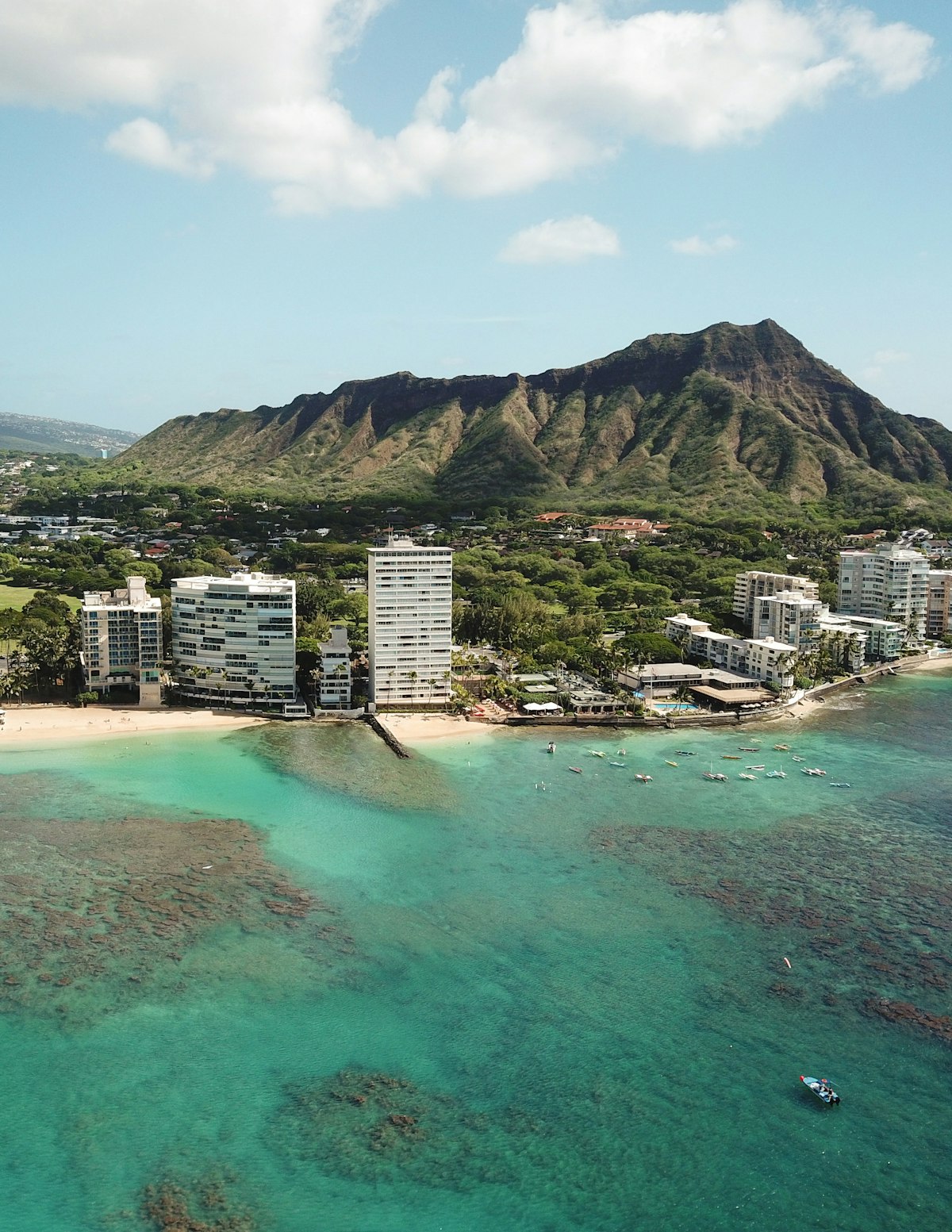
Kewalo Basin in Honolulu, minutes from Waikiki, is Oahu's largest fishing harbor and the departure point for the biggest charter fleet on the island. The harbor puts boats in deep water quickly, the bottom drops to over 1,000 feet within a few miles of shore, and the productive trolling grounds start within 20 minutes.
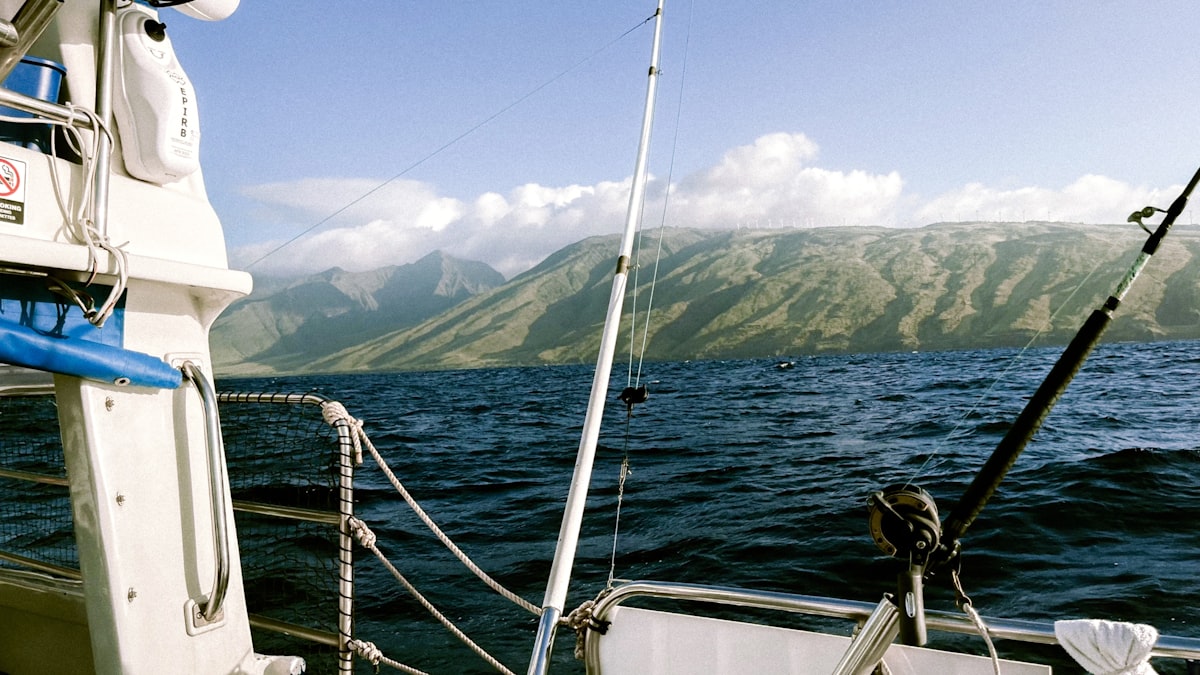
Blue marlin are available year-round out of Kewalo, with the peak in summer (June through September). Fish of 200 to 500 pounds are caught every season, and the occasional grander (over 1,000 pounds) puts Oahu in the same marlin conversation as Kona, though with fewer boats on the water. The technique is trolling lures and live bait along the current edges and around the FADs (fish aggregating devices) deployed off the south shore.
Yellowfin tuna (ahi) school around the FADs and current lines, peaking in summer when water temperatures warm and bait concentrations build. Fish of 50 to 150 pounds are realistic on a good day. Blackfin tuna provide lighter-tackle action year-round.
Mahi-mahi stack under debris and weed lines in spring and fall, providing the fastest action of any species, when you find a school, every bait gets eaten. Ono (wahoo) hit high-speed trolling lures in spring and summer with a strike that nearly rips the rod from the holder.
Kewalo Basin's proximity to Waikiki makes it the most convenient option for visitors, you can be fishing within 30 minutes of leaving your hotel.
Haleiwa Harbor, The North Shore
Haleiwa Harbor on the North Shore provides a smaller, more laid-back alternative to the Kewalo Basin fleet. The harbor sits on Oahu's north coast, and the fishing here is seasonal, the north shore is exposed to winter swells that can make offshore fishing impossible from November through February, but in summer (May through September), the seas calm and the fishing is excellent.
Yellowfin tuna and ono are the primary targets out of Haleiwa. The deep water off the north shore accesses different FADs and current lines than the south shore fleet, and some captains report better tuna fishing from the north side during the summer months because fewer boats work the grounds.
The North Shore fleet is smaller and more personal, fewer boats, less commercial feel, and often a more authentic local experience.
Waianae Coast, The Leeward Fleet
The Waianae Coast (also called the Leeward Coast) on Oahu's west side offers the calmest water on the island, sheltered from the trade winds by the Waianae Mountains. The charter fleet here is growing, and the fishing grounds along the west coast produce marlin, tuna, mahi, and ono in water that's often smoother than what the south or north shores can offer.
The Waianae coast is less touristy than Waikiki, which some anglers prefer, the experience feels more local, the harbors are quieter, and the water is less crowded.
Shore Fishing, The Local Tradition
Shore fishing on Oahu is a deep tradition, it's how local families fish, and the island's diverse coastline offers opportunities for every skill level.
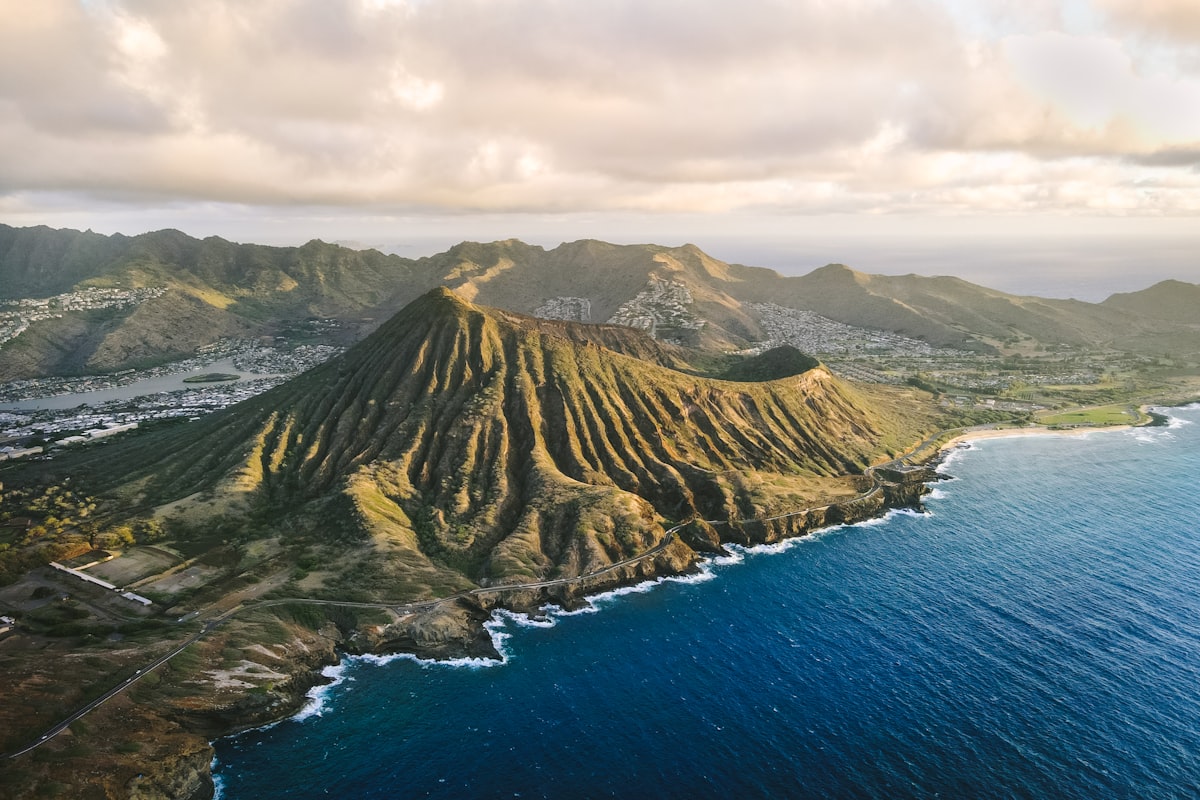
Ulua (giant trevally) are the premier shore target. Serious ulua anglers set up on rocky points after dark with heavy tackle and large baits (octopus, eel, crab), waiting for the violent strike of a fish that can exceed 100 pounds. Popular spots include Kaena Point (the island's westernmost point), Makapuu, and various North Shore rock points.
Papio (juvenile trevally) provide lighter-tackle action during the day from rocks, piers, and beaches throughout the island. 'O'io (bonefish) are caught on the windward (east) side flats, Oahu has a legitimate bonefishing opportunity that's less known than the Big Island's.
Jigging and bottom fishing from shore or kayak produce omilu (bluefin trevally), various snapper species, and reef fish around the island's rocky coastline.
Bottom Fishing and Reef Trips
Half-day bottom-fishing trips target 'opakapaka, onaga, uku, and other deep-water snapper in 200 to 600 feet. These trips are shorter, calmer, and more affordable than trolling charters, a good option for families and visitors who want to catch fish without the commitment of a full offshore trip.
When to Go
Oahu fishes year-round:
- December–March: Striped marlin off the south shore, shore fishing good on calm days, winter has less offshore access from the north
- April–June: Mahi-mahi peak, ono starting, marlin building, the spring transition
- June–September: Peak season, blue marlin, ahi, ono, all coasts accessible, best weather
- October–November: Fall ahi and mahi, lighter crowds, the shoulder season