Fish
Fish Fire
Fire Hike
Hike Bird
Bird

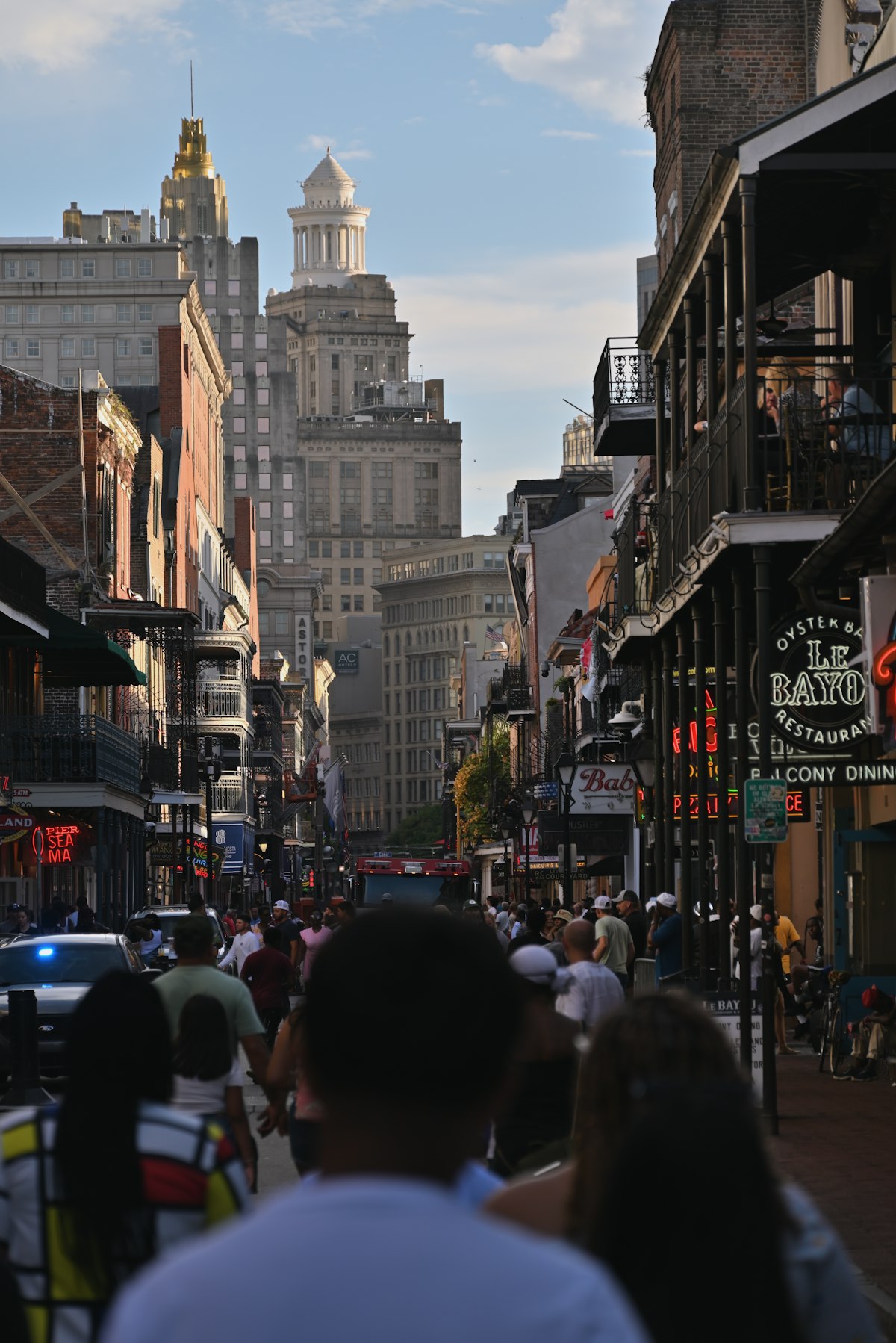

New Orleans is a city that happens to be surrounded by some of the most productive fishing water in the United States. The coastal marsh systems that fan out in every direction, south toward the Gulf, east toward the Chandeleur Islands, west toward Barataria, hold redfish, speckled trout, flounder, and black drum in numbers that are hard to overstate.
You can eat a three-course dinner on Magazine Street, sleep in a hotel in the French Quarter, and be standing in a skiff casting to tailing redfish in a marsh pond before the breakfast crowd hits Café du Monde. No other major American city puts you this close to this much inshore saltwater fishing.
Barataria Bay, The South Side
Barataria Bay is the marsh system directly south of New Orleans, accessible from the town of Jean Lafitte about 30 minutes from downtown. The estuary stretches from the brackish bayous near the Intracoastal Waterway south to the barrier islands at the Gulf's edge.
Redfish are the primary target and they're everywhere, in the ponds, along the grass-lined shorelines, under the mangroves, over the oyster reefs, and in the shallow bays. Louisiana redfish are less spooky than their Florida or Carolina cousins, the turbid water means they rely on vibration and smell more than sight, which makes them aggressive toward lures and bait.
The technique is straightforward: run a bay boat to a grass-lined shoreline or oyster reef, anchor 30 to 40 yards off, and cast gold spoons, soft-plastic swimbaits, or live shrimp along the edge. Topwater in the early morning produces explosive strikes. When the bite is on, double-digit redfish days are the norm, not the exception.
Speckled trout hold over oyster reefs, in the passes, and along channel edges throughout the Barataria system. The best trout fishing runs spring through early fall, with trophy specks (over five pounds) most common in winter when they stage in deeper holes.
Delacroix, The East Side
The Delacroix marsh system in St. Bernard Parish, about 45 minutes southeast of the city, is the other anchor of New Orleans inshore fishing. It's a vast network of bayous, ponds, and marsh lakes connected to Breton Sound and Lake Borgne.
Delacroix is famous for redfish density. The marsh ponds hold schools of reds that stack up against the grass edges, and knowing which ponds are firing on a given tide can put you on fish within 30 minutes of leaving the dock. The fishing is similar to Barataria, gold spoons, topwater, and live shrimp along the marsh shorelines, but the landscape is flatter, more open, and more remote.
Bull redfish, big fish over 27 inches, push into the marshes during the fall spawning run (September through November). They're catch-and-release at that size in Louisiana, but the fight of a 35-inch red in a shallow marsh pond is worth the trip.
Biloxi Marsh, The Wild East
East of Delacroix, the Biloxi Marsh stretches toward the Mississippi state line, a massive, roadless expanse of marsh grass, bayous, and shallow lakes that's one of the largest and most productive estuaries on the Gulf Coast.
The Biloxi Marsh is less accessible than Barataria or Delacroix, it requires a longer boat run and more local knowledge, but the payoff is less pressure and more fish. The marsh holds enormous populations of redfish and speckled trout, and the waters near Lake Borgne can be surprisingly clear, allowing sight-fishing to tailing reds in the grass.
Guides who specialize in the Biloxi Marsh tend to fish it exclusively, the system is big enough to support a career.
Lake Pontchartrain, The Backyard
Lake Pontchartrain sits immediately north of the city, you can see it from the I-10 on your way in from the airport. The brackish lake covers 630 square miles and holds speckled trout, redfish, flounder, sheepshead, and crab.
The Causeway Bridge pilings hold sheepshead year-round and speckled trout in spring and fall. The south shore marinas and bayous, Bayou St. John, Bayou Lacombe, Bayou Liberty, hold largemouth bass in the fresher water, a surprise for anglers who think New Orleans is saltwater-only.
Lake Pontchartrain isn't the trophy fishery that the marshes are, but it's accessible, close, and productive, a solid option for a half-day trip without the long boat run.
When to Go
New Orleans fishes year-round, with the marshes producing in every month:
- Spring (March–May): Trout on the reefs, redfish active in every marsh system, best all-around season
- Summer (June–August): Redfish in the ponds, flounder in the bays, speckled trout along passes, heat and thunderstorms are the main challenge
- Fall (September–November): Bull redfish run, peak speckled trout, the best fishing of the year
- Winter (December–February): Trophy trout in deep holes, sheepshead on structure, redfish still biting