Nantucket Fishing: An Island Where Every Point and Beach Fishes Differently
← All field notes

Nantucket · Massachusetts

Nantucket Fishing: An Island Where Every Point and Beach Fishes Differently

Nantucket sits 30 miles off the Massachusetts coast, surrounded by rips, shoals, and sandbars that create distinct fisheries at every named point on the island. Here's what bites where.

Colin Van Dyke

Colin Van Dyke

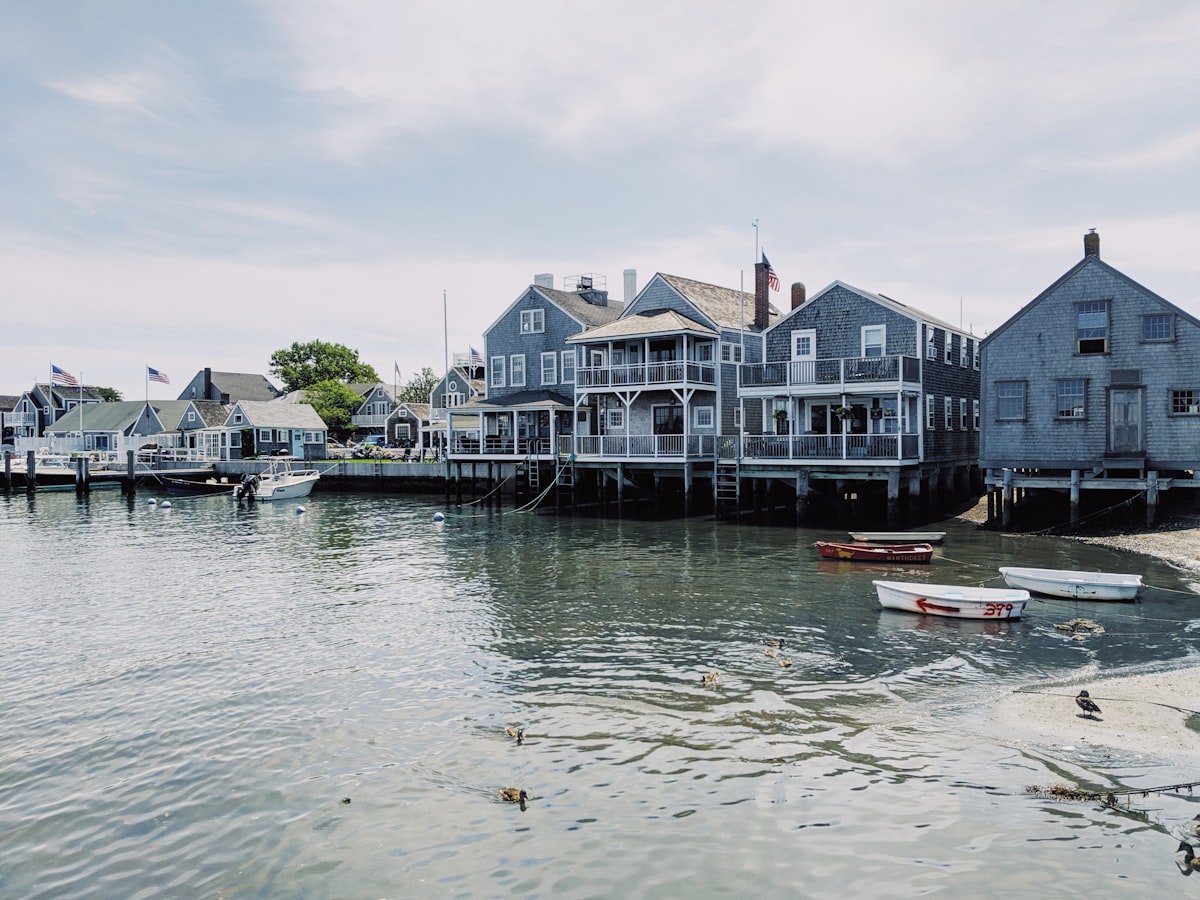
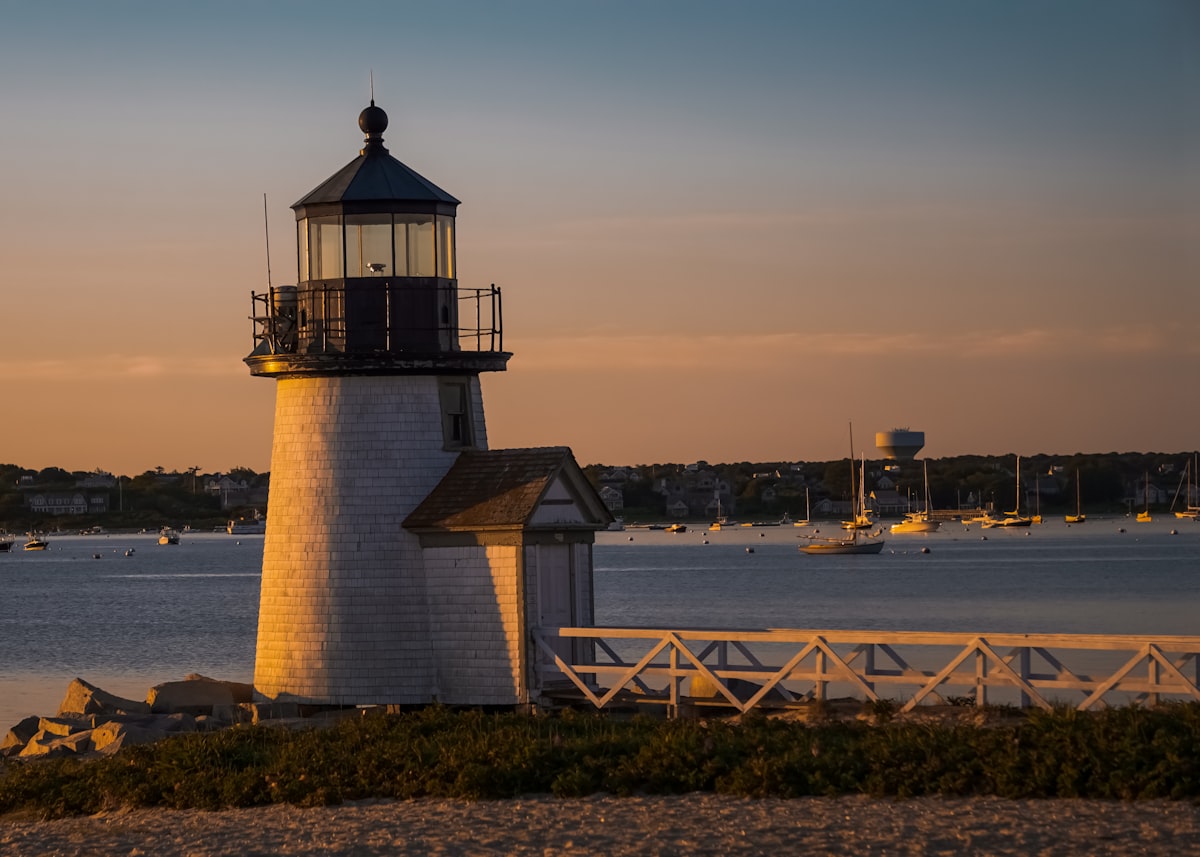
Nantucket is a 14-mile-long island sitting 30 miles off the Massachusetts coast in the open Atlantic. The island's shape, a crescent curving around a harbor with points jutting out on both ends, creates distinct fishing zones where currents, shoals, and bottom structure concentrate different species in different spots.

The fishing here is defined by location. Each named point, beach, and rip on the island fishes differently depending on the tide, the wind, and the season. A guide or angler who knows which spot fires in which conditions can fish the island every day of the season and never repeat the same experience.

Great Point, The Northern Tip

Great Point is the long, curving sand spit that extends from the northern end of Nantucket. It's the most famous fishing spot on the island and one of the best surf-casting destinations in New England.

The point creates a natural convergence where Nantucket Sound currents meet the open Atlantic, and the rip that forms off the tip concentrates bait. Striped bass stack in the rip from May through October, with the biggest fish, 30 to 50 pounds, showing in June and again during the fall run in September and October. Bluefish crash through the rip in summer, attacking bait with characteristic violence.

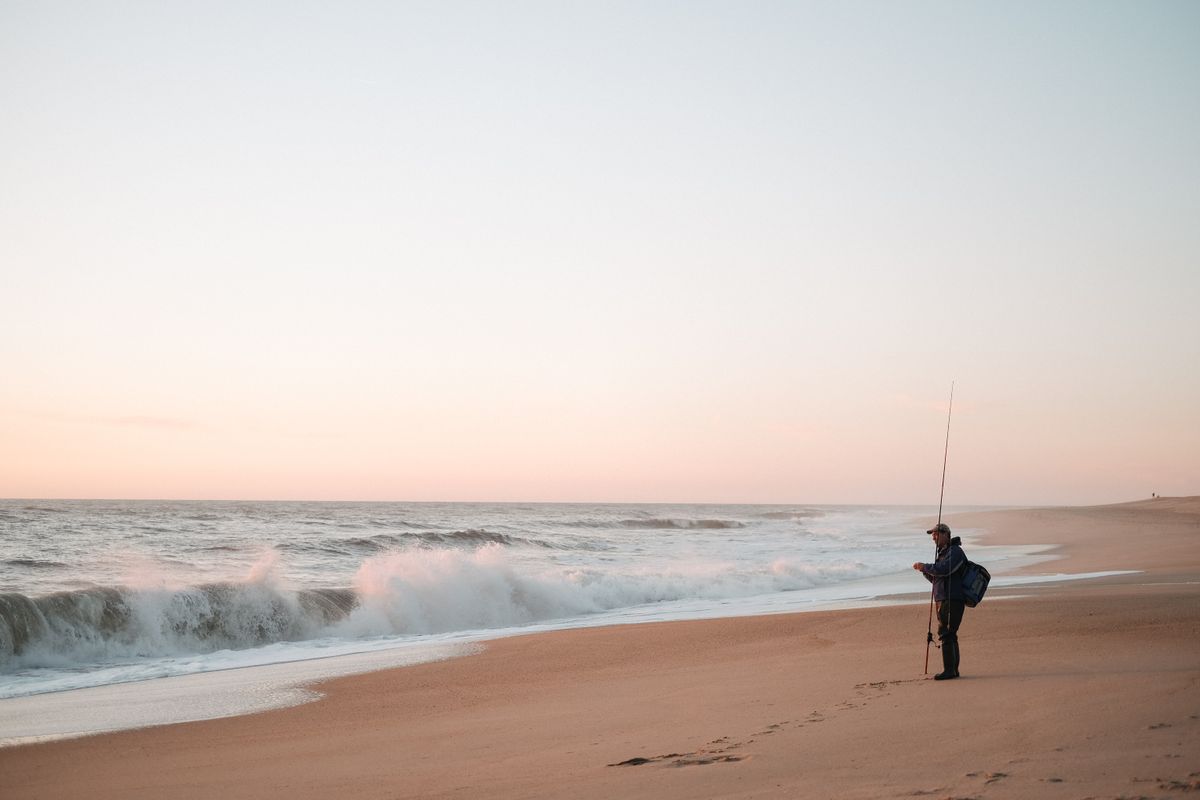
Fishing Great Point means driving over miles of sand (a beach permit and 4WD are required) to reach the tip, then casting into the rip with plugs, eels, or fly tackle. The pre-dawn bite is legendary, standing alone at the tip of Great Point in the dark, casting into the sound of breaking fish, is a New England fishing experience without equal.

Madaket, The West End

Madaket sits on Nantucket's west end, facing Muskeget Channel and the open Atlantic. The deep water drops off quickly here, and the strong tidal currents between Nantucket and the Elizabeth Islands create rips and eddies that hold fish in tight, predictable zones.

Striped bass and bluefish are the primary targets, but Madaket's deeper water also brings bonito and false albacore closer to shore than most island spots. The west-facing beaches catch the afternoon sun and the evening bite, casting into a Madaket sunset with albies blitzing on the surface is one of the defining images of Nantucket fishing.

Cisco Beach and Smith's Point, The South Shore

The south shore faces the open Atlantic, and the beaches here, Cisco, Surfside, and Smith's Point, offer surf fishing with more exposure and bigger swells than the protected north side.

Smith's Point is the southwest corner of the island, where the beach narrows to a sand spit and the currents from Madaket and the south shore converge. It's a productive spot for striped bass during the fall migration, when fish running south along the coast pass within casting range.

Cisco Beach produces consistent bluefish in summer and stripers in spring and fall. The surf here can be heavy, which means bigger gear and heavier presentations.

The Harbor and Sound Side

Nantucket Harbor and the protected waters of Nantucket Sound offer calmer fishing for anglers who prefer boats or calmer conditions.

Fluke (summer flounder) hold on the sandy bottom in the sound, and drifting with bucktail jigs produces fish from June through September. Scup (porgy) and sea bass hold on the rocky structure. Striped bass cruise the harbor edges and the jetties, especially at dawn and dusk.

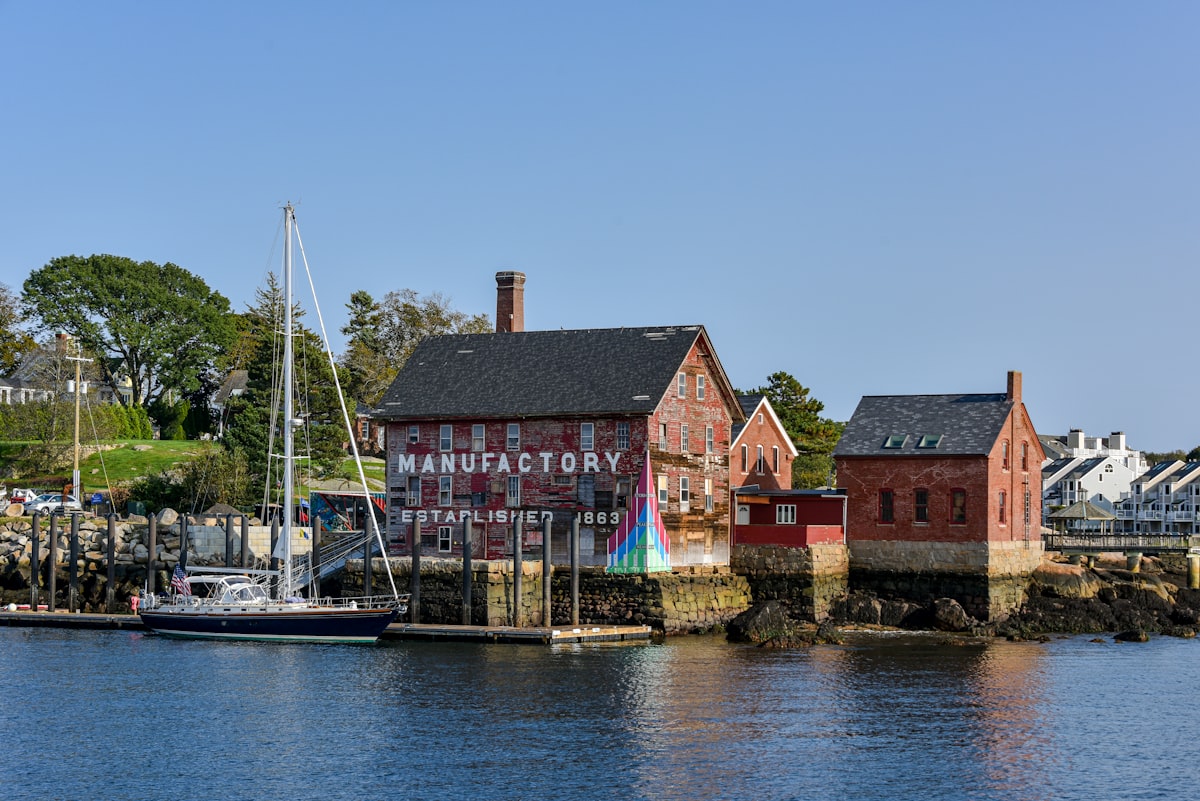
Charter boats run from the harbor to the offshore rips and shoals for bluefin tuna, the same Stellwagen Bank and south-of-the-Cape grounds that the mainland fleet fishes, accessible from Nantucket's eastern exposure.

The Fall Run, Albies and Bonito

The fall albie and bonito run, September through October, is the event that serious Nantucket anglers plan their year around. False albacore and Atlantic bonito are small, fast tuna relatives that show up when water temperatures peak and baitfish concentrate around the island's rips and points.

Albies run 5 to 15 pounds and make screaming runs that strip 100 yards of line in seconds. They're caught on small epoxy flies, Deadly Dick lures, and light spinning tackle, and they're one of the most exciting fish in the Atlantic on light gear. The challenge is finding them, they blitz on the surface unpredictably, and you have to be in the right spot when they appear.

When to Go

  • May–June: Spring striper migration, first bass at Great Point, the season opens
  • July–August: Bluefish everywhere, bonito starting, fluke in the sound, summer fishing
  • September–October: The fall run, albies, bonito, trophy stripers, the best fishing of the year
  • November: Late-season stripers, last albies, the island quiets down

Recommended gear

  • Penn Battle III 5000 Combo

    Mid-tier, handles stripers from the beach and albies from the boat

  • Shimano Stradic FL 4000

    Premium, lightweight for casting poppers to albies all day

  • Penn Pursuit IV 5000 Combo

    Entry level, good surf combo for stripers and bluefish

  • Hogy Epoxy Jig 2oz

    Nantucket's secret weapon, cast to albies and bonito

  • Super Strike Little Neck Popper

    The striper surface plug for Nantucket's rips and points

  • Daiwa SP Minnow in Bone

    Walk-the-dog for Nantucket stripers at dawn, deadly in the rips

  • Orvis Clearwater Fly Rod Outfit 9' 8wt

    Mid-tier, false albacore on the fly is the ultimate Nantucket experience

  • Surf Asylum Deceiver White/Chartreuse

    The striper fly for Nantucket's rips

  • Power Pro Braided Line 30lb Moss Green

    Essential for casting distance from the beach

Frequently asked

Do you need a fishing license on Nantucket?

Yes, Massachusetts requires a recreational saltwater fishing permit for anyone 16 and older (about $10, and free for anglers 60+), available online through MassWildlife. On a charter, the boat's permit covers everyone aboard.

How much does a Nantucket fishing charter cost?

Inshore and flats trips for stripers, blues, and false albacore typically run about $600 to $900 for a half day for one or two anglers. Offshore trips for bluefin tuna and bottom species cost more and run as full days. Island logistics make booking ahead essential.

What is the best fishing spot on Nantucket?

Great Point on the northern tip is the most famous, currents converge at the rip, concentrating stripers and bluefish. Madaket on the west end brings deeper water close to shore for bonito and albies. Each point on the island fishes differently depending on tide and wind.

When is the albie run on Nantucket?

False albacore and bonito show up in September and peak through October. They're small (5 to 15 pounds) but incredibly fast, they strip line in screaming runs. The fall albie run is the most exciting fishing event of the Nantucket season.

Can you surf fish on Nantucket?

Yes, Nantucket is one of the best surf-fishing destinations in New England. Great Point, Madaket, Cisco Beach, and Smith's Point all offer productive shore casting for striped bass and bluefish. A beach permit and 4WD vehicle are needed for Great Point access.

When is the best time to fish Nantucket?

September and October during the fall run, trophy stripers, albies, bonito, and bluefish all peak simultaneously. June is best for large spring stripers. July and August offer consistent bluefish and summer stripers.

How do you get to Nantucket for fishing?

The Steamship Authority ferry runs from Hyannis (2.25 hours) and carries vehicles, important if you want to drive the beach to Great Point. Flights from Boston, Hyannis, and New York are also available. Charter boats run from Nantucket Harbor for offshore trips.

More Massachusetts field notes

Urban Fishing in Boston: Striped Bass in the Harbor, Herring Runs on the Charles, and Shore Fishing from Castle Island

Boston, MA

Urban Fishing in Boston: Striped Bass in the Harbor, Herring Runs on the Charles, and Shore Fishing from Castle Island

Boston Harbor, once the most polluted harbor in America, is now one of the best urban striper fisheries on the East Coast. Striped bass blitz on baitfish around the islands, piers, and locks. The Charles River holds bass, carp, and seasonal striper runs. Castle Island puts you on fish in South Boston. No boat needed.

How to Fish Nantucket, Massachusetts: Stripers on the Sand, False Albacore in the Rips, and the Island Grand Slam

Nantucket, MA

How to Fish Nantucket, Massachusetts: Stripers on the Sand, False Albacore in the Rips, and the Island Grand Slam

Nantucket is an island built for surf fishing, miles of accessible beach, striped bass on every tide, false albacore and bonito screaming through the rips in fall, and a fishing culture that takes the sport seriously.

How to Fish Gloucester, Massachusetts: A First-Timer's Guide to Striped Bass, Tuna, and Cod

Gloucester, MA

How to Fish Gloucester, Massachusetts: A First-Timer's Guide to Striped Bass, Tuna, and Cod

What a beginner needs to fish Gloucester and Cape Ann, the Massachusetts saltwater permit, how to catch striped bass inshore, the famous bluefin tuna grounds on Stellwagen Bank and Jeffreys Ledge, bottom fishing for cod and haddock, and the gear and tactics that work off America's oldest fishing port.

How to Fish Cape Cod: A Beginner's Guide to Striped Bass, Bluefish, and the Fall Run

Cape Cod, MA

How to Fish Cape Cod: A Beginner's Guide to Striped Bass, Bluefish, and the Fall Run

Everything a first-timer needs to fish Cape Cod, surfcasting for striped bass on the National Seashore, Canal fishing, flats wading, bluefish, false albacore in the fall, tautog on the rocks, and charter trips. Gear, rigs, tides, and what to bring.

Gloucester Fishing: America's Oldest Seaport and the Tuna That Made It Famous Again

Gloucester, MA

Gloucester Fishing: America's Oldest Seaport and the Tuna That Made It Famous Again

Gloucester has been a fishing town since 1623, four centuries of cod, haddock, and working boats. Then the bluefin tuna showed up in numbers, and a TV show made the whole world pay attention.

Cape Cod Fishing: The Canal, the Flats, and the Tuna Grounds, Three Fisheries on One Peninsula

Cape Cod, MA

Cape Cod Fishing: The Canal, the Flats, and the Tuna Grounds, Three Fisheries on One Peninsula

Cape Cod wraps around the elbow of Massachusetts with three distinct fisheries: the legendary Canal for striped bass, the Monomoy flats for sight-fishing, and the Stellwagen Bank for bluefin tuna.