Fish
Fish Fire
Fire Hike
Hike Bird
Bird

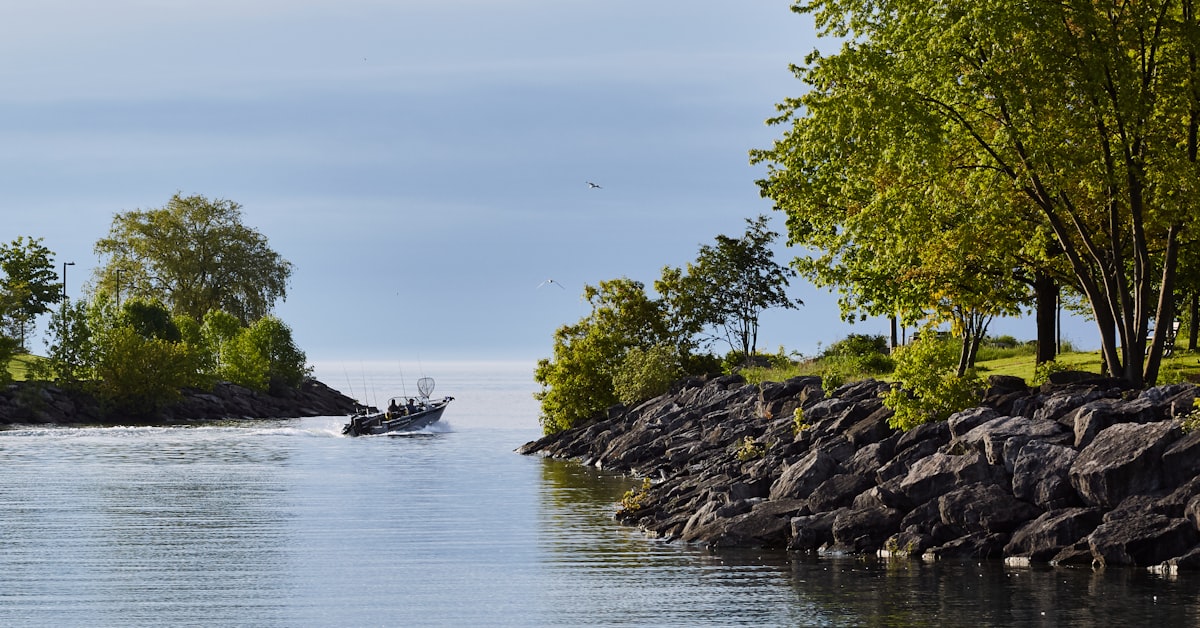

The Miramichi River is to Atlantic salmon what the Bow River is to brown trout or the Skeena is to steelhead, the river against which all others are measured. Approximately 100,000 Atlantic salmon return to the Miramichi system every year, making it the single most productive Atlantic salmon river in North America. Nearly 50% of all rod-caught Atlantic salmon on the continent are taken from the Miramichi and its tributaries.
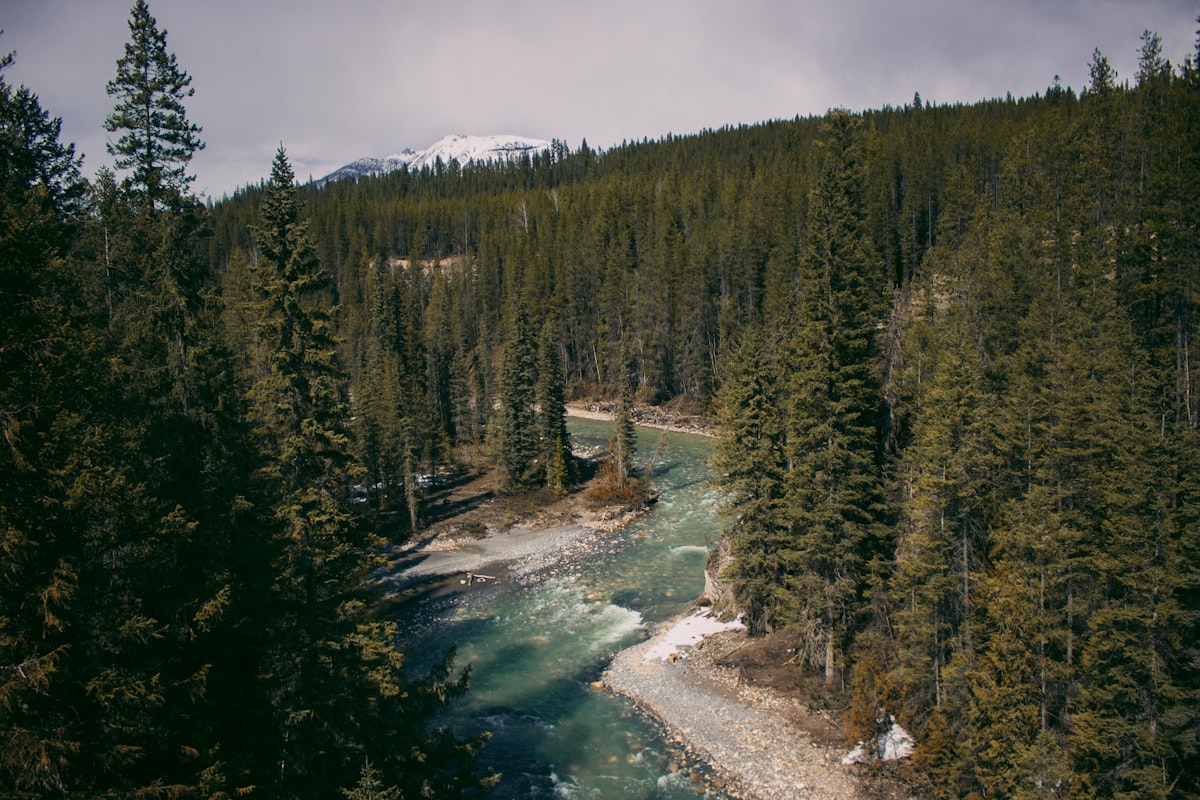
The river flows 260 kilometres through central New Brunswick, from the highlands near Mount Carleton to the Gulf of St. Lawrence at Miramichi Bay. Two main branches, the Southwest Miramichi and the Northwest Miramichi, converge near the city of Miramichi (formerly Newcastle and Chatham) and drain a watershed of 14,000 square kilometres. The river passes through Acadian forest, Mi'kmaq territory, and communities that have built their identity around salmon fishing for generations.
Atlantic salmon are not Pacific salmon. They do not die after spawning, they can return to the ocean and run the river again in subsequent years. They are larger than most people expect (8 to 15 pounds average, with fish over 20 pounds called "large salmon" or "hookbills"). They are caught almost exclusively on the fly, the Miramichi is a fly-fishing river by tradition, regulation, and culture. And they are increasingly precious, Atlantic salmon populations across the North Atlantic have declined dramatically, making the Miramichi's strong runs more valuable with each passing year.
The River System
Southwest Miramichi: The main branch and the most famous Atlantic salmon river in the world. Over 200 kilometres of fishable water from Juniper downstream to the tidal zone. The upper sections (above Boiestown) hold fish in classic pool-and-riffle structure, the kind of water that Atlantic salmon fly fishing was invented on. The lower sections (below Blackville) are wider and deeper, with larger pools.
Northwest Miramichi: Shorter and less famous than the Southwest, but equally productive. The Little Southwest Miramichi, a tributary of the Northwest, is renowned for its early salmon runs and clear water. Less pressured than the Southwest, a good choice for anglers who want quality fishing without competition.
Tributaries: Cains River, Renous River, Bartholomew River, and dozens of smaller streams feed the main branches. The Cains is famous for its late fall run of large salmon (October). Some tributaries are privately held; others are public Crown Reserve water.
2024 Spring Atlantic Salmon Fishing, New BrunswickWhat You Are Fishing For
Atlantic salmon are the only target. This is a single-species fishery, and the entire culture, the lodges, the guides, the traditions, revolves around one fish.
Atlantic salmon on the Miramichi run in two main waves:
Grilse (small salmon): 3 to 7 pounds. Fish that spent one winter at sea. They arrive first (June-July) and are more numerous and more willing to take a fly. Grilse provide the most consistent action and are an excellent target for anglers new to Atlantic salmon fishing.
Large salmon (multi-sea-winter fish): 8 to 20+ pounds. Fish that spent 2 or more winters at sea. They arrive later (July-September) and are the trophy targets. Landing a 15-pound Atlantic salmon on a fly rod in the Miramichi is one of the great achievements in freshwater angling. These fish are powerful, acrobatic, and selective, they are not feeding (they stop eating when they enter freshwater) and their willingness to take a fly is driven by aggression, curiosity, or territorial response.
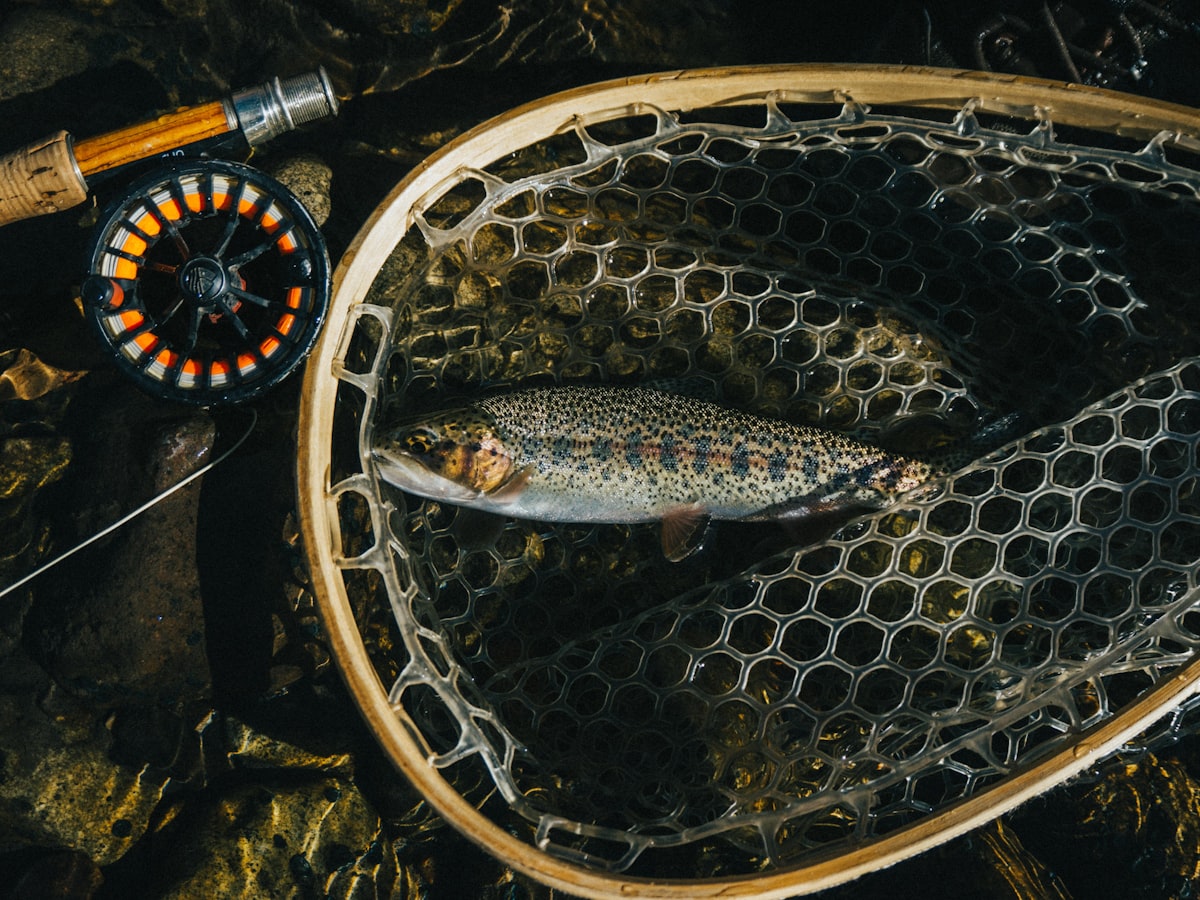
Brook trout: The Miramichi system also holds wild brook trout, and many anglers fish for them when the salmon are not active. Brook trout of 1 to 3 pounds are caught throughout the system, particularly in the smaller tributaries.
For detailed fly patterns, Spey techniques, and presentation strategies, see our Fly Fishing the Miramichi River guide.
2024 Atlantic Salmon Fishing on the Miramichi, Adams Crown ReserveWhen to Plan Your Trip
April 15 - May 15 (Spring Salmon / Kelts): The spring fishery targets kelts, post-spawn salmon that overwintered in the river and are heading back to the ocean. These are not bright, chrome fish, they are dark, thin, and tired from spawning. But they eat flies aggressively and provide excellent sport on light tackle. All kelts are catch-and-release. Spring fishing is a Miramichi tradition, the river awakens from winter and the first fish of the season are a celebration.
June (Early Bright Salmon): The first bright (ocean-fresh) salmon enter the river. Grilse lead the way. Water levels are typically high from spring runoff, and the fish push upstream quickly. June fishing can be excellent but water conditions are variable.
July and August (Peak Season): The main runs of both grilse and large salmon. July is the best month for sheer numbers, the river is full of fish. August brings the largest fish of the summer run. This is peak lodge season, book months in advance. Water temperatures are the main concern, when the river exceeds 20°C (68°F), salmon become stressed and fishing is voluntarily suspended or officially closed on many sections (warm water protocol).
September and October (Fall Run): The fall run brings the largest salmon of the year. October on the Cains River is legendary for big, dark, aggressive fish that are close to spawning and willing to eat large, dark flies. The fall fishing is the most dramatic, coloured leaves, cold mornings, and salmon that average 12 to 18 pounds. Many experienced Miramichi anglers consider fall the best season.
Crown Reserve Pools
A distinctive feature of New Brunswick salmon fishing is the Crown Reserve system. The province owns fishing rights on certain pools (called "Crown Reserve" or "Crown Water") and allocates daily access through a lottery or first-come, first-served system. Crown Reserve pools are some of the most productive water on the river, they are rested between anglers and hold fish consistently.
How it works: You register at a Crown Reserve office, and if space is available, you are assigned a pool for a half-day (morning or afternoon) session. A guide is required on Crown Water. The daily fee is nominal (CAD $15-30 per session). The pools are rotational, anglers move through the pool at set intervals so everyone gets equal access to the best lies.
Private water: Many Miramichi lodges own or lease private salmon pools. When you book a lodge package, access to their private pools is included. Private water is typically less crowded and managed for quality fishing.
Fishing the Miramichi River for Sea Run Atlantic SalmonLodge Options
Full-service salmon lodges: The traditional Miramichi experience. All-inclusive packages with accommodation, meals, guided fishing, and access to private pools. Lodges range from rustic (log cabins on the river) to upscale (dining rooms, wine lists, cigar lounges). CAD $2,000 to $5,000 per person for 3 to 5 nights. The guide paddles a canoe while you cast from the bow, the classic Miramichi guiding style.
Notable lodges: Wilson's Sporting Camps (operating since 1843), Country Haven, Mountain Channel, Ledges Inn, and numerous family-run camps along both branches. The Miramichi has the deepest lodge tradition in Canadian salmon fishing, some operations have been hosting anglers for over a century.
Self-guided options: Budget-conscious anglers can stay in Miramichi motels and fish Crown Reserve water with a hired guide. Full-day guide rates run CAD $300 to $500. You provide your own accommodation and meals. This approach gives access to excellent public water at a fraction of the lodge price.
Getting There
By air: Fredericton (YFC) is the nearest major airport, 2.5 hours by car. Moncton (YQM) is 2 hours. Halifax (YHZ) is 4 hours. Some lodges arrange shuttle service from airports.
By car: The city of Miramichi is on Highway 8/11 in central New Brunswick. From Maine (US border): 4 to 5 hours from Bangor via Houlton crossing.
From the Maritimes: Miramichi is central to the Maritime provinces, accessible from Nova Scotia, PEI, and northern Maine within half a day's drive.
Fishing Licence and Regulations
New Brunswick recreational fishing licence required. Non-residents: approximately CAD $75 for a 7-day licence. An Atlantic salmon tag (approximately CAD $20) is required to retain salmon.
Key regulations: Fly fishing only on most Miramichi salmon water. Single barbless hook. Catch-and-release is encouraged and mandatory on some sections. Retention limits vary by section and season, check the current NB Angling Guide. Warm water protocols restrict fishing when river temperatures exceed 20°C, this is taken seriously and enforced.
Conservation
The Miramichi's salmon runs, while the strongest in North America, are not immune to the threats facing Atlantic salmon across the North Atlantic. Marine survival rates have declined, fewer fish survive the ocean years and return to the river. Striped bass predation in the estuary has increased. Climate change is warming the river, triggering warm water protocols more frequently.
These pressures make catch-and-release fishing more important than ever. Most Miramichi lodges and guides practise voluntary catch-and-release for all large salmon, even where retention is legally permitted. The reasoning is simple: a 15-pound hen salmon released to spawn will produce thousands of eggs, some of which will survive to repeat the cycle. A 15-pound salmon on the wall produced nothing.
The Miramichi Salmon Association (MSA) and Atlantic Salmon Federation (ASF) fund river monitoring, habitat restoration, and smolt-to-adult survival research. Many lodges contribute a portion of their fees to these organisations. Fishing the Miramichi, and supporting the economy built around salmon, is itself a conservation act, because it gives the river and the fish an economic value that competes with logging, mining, and other resource extraction.
The Miramichi Culture
The Miramichi is not just a fishery, it is a culture. Salmon fishing has been part of life in central New Brunswick since the Mi'kmaq fished the river for millennia before European contact. The rod-and-reel tradition dates to the mid-1800s, when British sportsmen established the first fishing camps on the Southwest Miramichi. Some of those camps are still operating.
The guide tradition: Miramichi guides are not just fishing instructors. They are river people, often born on the river, raised on the river, and planning to die within sight of the river. They pole wooden canoes (not motor boats) through the pools while you cast from the bow. The guide reads the water, positions the canoe, and tells you when to cast, where to cast, and which fly to use. The relationship between guide and angler is built on trust, repetition, and shared time on the water. Many Miramichi anglers fish with the same guide for decades.
The evening rise: At dusk, salmon that have been holding in pools all day begin to move and show on the surface, rolling, jumping, and splashing. The evening rise is when the fishing is at its most intense. Anglers line the pools, guides position canoes, and the river comes alive with salmon activity. The atmosphere is electric, every roll could be a fish about to take your fly.
The stories: Every Miramichi pool has a name, and every name has a story. Black Brook, Doctor's Island, Campbell's Pool, the Ledges, these names represent decades of fishing memory. The guides know the stories the way they know the river, by heart. Sitting in a lodge after dinner, listening to a guide describe the 22-pound salmon that took a Green Machine in the tail of Doctor's Island on an October evening in 1987, is as much a part of the Miramichi experience as the fishing itself.
Miramichi River Fly Fishing, Atlantic Salmon Spey Casting for Atlantic Salmon and Brook Trout, Miramichi, New Brunswick