Fish
Fish Fire
Fire Hike
Hike Bird
Bird

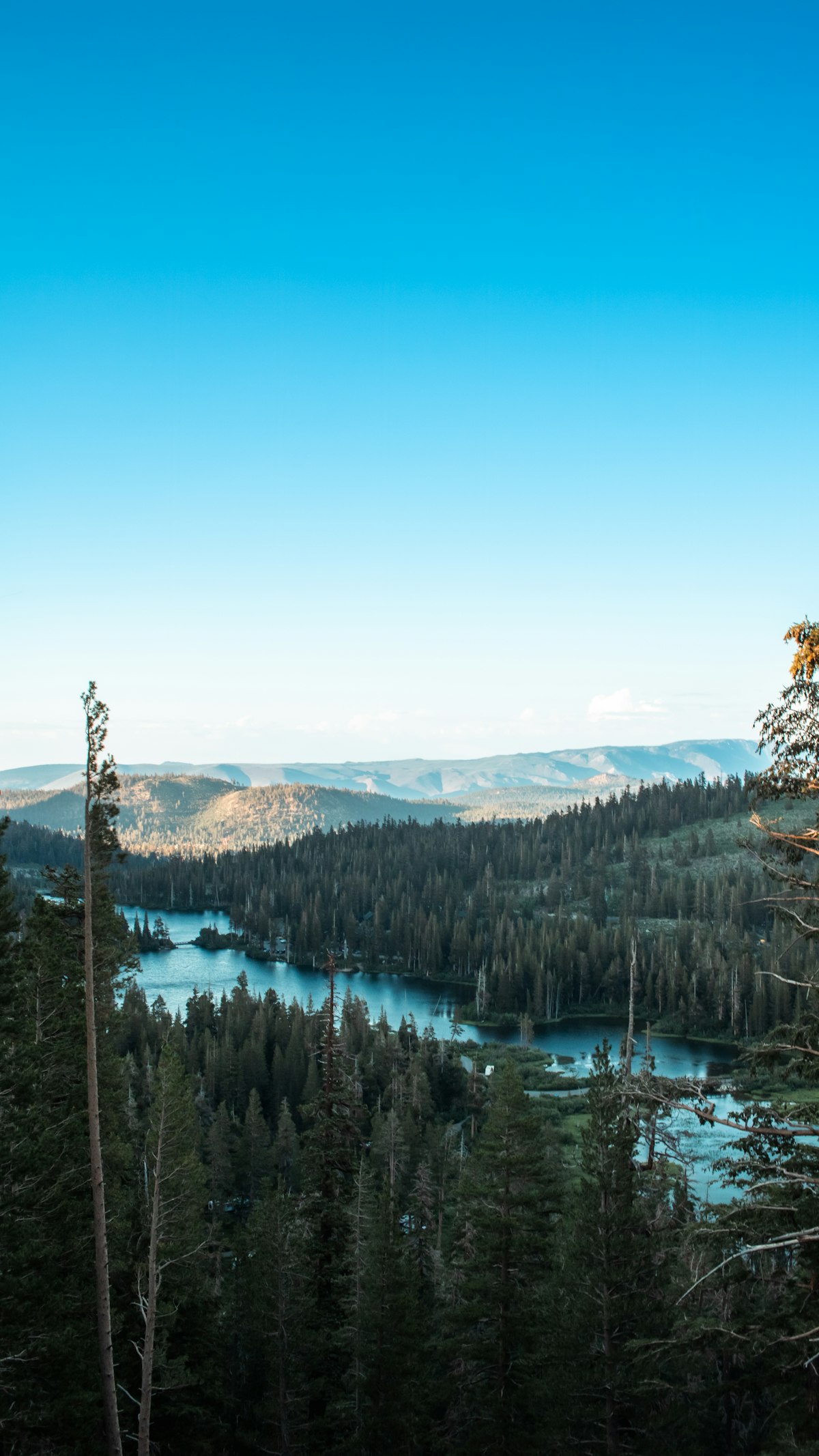
Mammoth Lakes sits at 8,000 feet in California's Eastern Sierra, surrounded by the kind of scenery that stops you mid-cast. Granite peaks, alpine meadows, clear creeks tumbling through volcanic rock, and trout. Lots of trout. Rainbow, brown, brook, and if you're willing to hike, the rare and beautiful California golden trout.
What makes Mammoth special for fishing isn't just the quality of the water, it's the range. Within a short drive of town, you can find easy, stocked lakes where a kid with a worm and a bobber will catch dinner, and you can find demanding spring creeks that hold 8,000 wild trout per mile but won't give up a single one unless your fly presentation is perfect. The trick is matching the water to your experience level and what you want out of the day.
If You Want Easy: The Stocked Lakes
Mammoth's alpine lakes are stocked regularly by the California Department of Fish and Wildlife throughout the season (roughly late April through mid-November, depending on snow). These are the friendliest waters for beginners and families.
Twin Lakes sit right at the edge of town and are the most accessible fishery in the area. They're stocked with rainbow trout and are a great place to fish from shore with bait, PowerBait, nightcrawlers, or salmon eggs on a small hook under a bobber. Boat rentals are available at the Twin Lakes Store. It's the kind of fishing where a six-year-old can catch their first trout before lunch.
Lake Mary is larger and deeper, with stocked rainbows and a healthy population of brown trout that grow big in the depths. Shore fishing works, but a boat or float tube lets you access the deeper water where the larger fish hold. Trolling small lures or flies behind a slow-moving boat is effective.
Lake George is smaller, quieter, and often overlooked, which makes it a nice option when the more popular lakes are crowded.
Convict Lake, a few miles south of town, is one of the deepest lakes in the region and is known for producing large trout, fish nearing eight pounds are caught each year. It's stocked with rainbows, and wild brown trout patrol the depths. A boat gives you a serious edge here. The lake sits in a dramatic cirque surrounded by steep mountain walls, and even if the fishing is slow, you won't mind being there.
If You Want a Challenge: The Spring Creeks
This is where Mammoth's reputation among serious fly anglers is built. The spring-fed creeks in the area produce prolific insect hatches that support dense populations of wild trout, but these are educated fish in clear, slow water, and they will punish sloppy casting.
Hot Creek is the crown jewel. This small spring creek, fed by geothermal springs south of town, holds an astonishing 8,000 to 10,000 wild trout per mile, rainbow, brown, and cutthroat. The water is gin-clear, the currents are deceptively complex, and the fish have seen every fly in the box. Hot Creek is strictly catch-and-release with barbless artificial lures only. Older brown trout here run 18 to 24 inches, and hooking one requires a drag-free drift measured in fractions of an inch.
Hot Creek rewards local knowledge more than almost any water in the Sierra. The access is limited to a short public stretch downstream from the hatchery, and knowing exactly where to stand, what fly to tie on, and how to present it makes the difference between a blank and a memorable session.
The Upper Owens River flows from the Sierra crest down into Crowley Lake, and the stretch between Big Springs and the lake is another year-round catch-and-release fishery. What makes the Upper Owens special are the migratory trout, large browns and rainbows that move up out of Crowley Lake to spawn and feed. In fall and spring, these fish push into the mid- to high 20-inch range, holding in deep pools and under cut banks. The river is small enough to wade easily, but the fish are big enough to make your hands shake.
If You Want Moving Water: The Rivers
For anglers who love freestone river fishing, reading riffles, pockets, and runs, Mammoth has two excellent options.
The San Joaquin River runs behind Mammoth Mountain along Minaret Road toward Reds Meadow. It's a small, tumbling freestone river with pocket water, undercut banks, and plunge pools holding rainbow and brown trout. The river is relatively shallow but the structure is ideal for fly fishing, and working the pockets patiently will put you on water that feels like a secret. The access road is typically open late June through October.
The Middle Fork of the San Joaquin requires more effort to reach but rewards the adventurous. This is wilderness water, walk-in fishing in a dramatic canyon with wild trout and very few other anglers. It's not a guided trip for most people, but it's worth knowing about if you're experienced and want solitude.
If You Want the Trophy: Crowley Lake
Crowley Lake is one of the best stillwater trout fisheries in the Western United States. Located about 15 miles south of Mammoth, this large reservoir is where the big fish live. Crowley produces rainbow and brown trout that grow fat on the lake's incredible insect hatches, particularly the Chironomid (midge) and Callibaetis mayfly hatches that can blanket the surface in summer.
Opening day at Crowley (the last Saturday in April) is a major event in Eastern Sierra fishing, hundreds of boats launch at first light. But the fishing stays good through the season. Trolling, still-fishing from a boat, and fly fishing with indicators or sinking lines all produce.
From August 1 through November 15, Crowley switches to special regulations: artificial barbless lures only, two-fish limit, 18-inch minimum. This is the trophy window, the big browns and rainbows that cruise the shoreline are the targets, and catching one on a fly is the pinnacle of Eastern Sierra stillwater fishing.
The Golden Trout
California golden trout, the state freshwater fish, live in a few high-altitude lakes and streams above 9,000 feet in the Mammoth area. They're small (8-12 inches is typical), brilliantly colored with golden flanks and red lateral stripes, and catching one requires a hike into the backcountry. They're not a guided trip species for most visitors, but if you're fit and willing to pack a rod into the high country, ask at a local fly shop about current access and conditions. These fish are rare and beautiful, and catching one is a genuine trophy.
Seasons and Timing
The general trout season in the Mammoth area runs from the last Saturday in April through November 15. Some waters, Hot Creek, Upper Owens River, and certain sections of the San Joaquin, are open year-round under special regulations.
Late April through June is spring: opening day excitement, snowmelt filling the lakes, stocked trout hitting eagerly. Roads to higher lakes may still be snowed in.
July and August are peak season: all roads open, warm weather, long days, and the best insect hatches on the spring creeks and Crowley Lake.
September and October are the locals' favorite: fall colors in the aspens, brown trout spawning runs on the Upper Owens, cooling temperatures, and thinning crowds. The big fish move.
Winter (November through April) is limited to the year-round catch-and-release waters. The Upper Owens and Hot Creek fish through winter for dedicated anglers willing to brave the cold. Access can be limited by snow.