Fish
Fish Fire
Fire Hike
Hike Bird
Bird

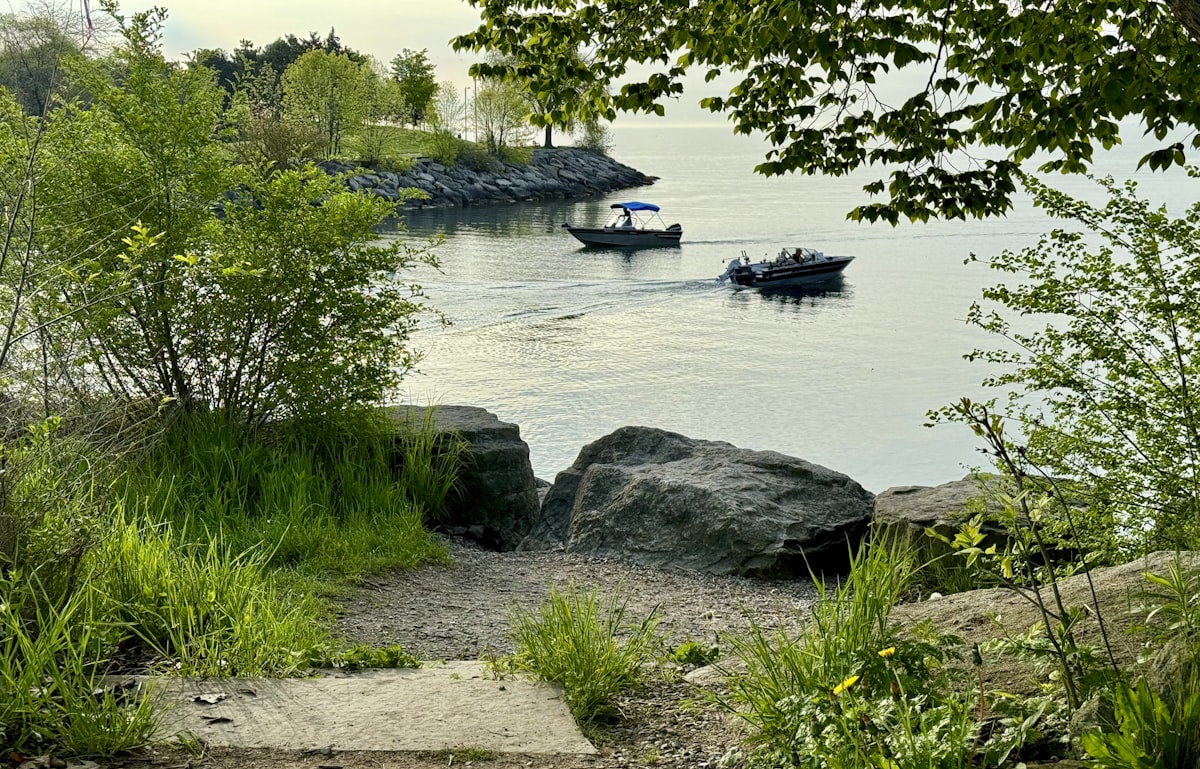

Lake of the Woods is the kind of fishery that breaks your sense of scale. It covers over 1,700 square miles, roughly the size of Rhode Island, with a shoreline so convoluted that it contains more than 14,500 islands. You could fish a different spot every day for 40 years and not cover it all. The lake straddles the Ontario-Manitoba border and dips into Minnesota, but the Ontario side, anchored by the town of Kenora, is where the fishing infrastructure is concentrated and where most visiting anglers base their trips.
The headline species is walleye. Lake of the Woods is one of the premier walleye fisheries in North America, producing fish in the 2 to 5 pound range all day long with genuine trophies over 10 pounds caught every season. The walleye population is healthy, self-sustaining, and supported by regulations that balance harvest with conservation. You can keep a limit of walleye for a shore lunch, golden-fried fresh walleye fillets cooked over a fire on a remote island is one of the great Canadian fishing traditions, and still release the bigger fish to grow.
But walleye is only part of the story. Lake of the Woods holds muskie that exceed 50 inches, it is considered one of the top muskie destinations in the world. Northern pike are everywhere, with fish over 40 inches common. Smallmouth bass inhabit the rocky shorelines and provide aggressive topwater action. Lake trout hold in the deeper basins. Crappie, perch, and whitefish round out the fishery.
This is the quintessential Canadian fishing lodge experience, fly into Kenora or drive from Winnipeg, settle into a lakeside lodge or housekeeping cabin, and spend a week fishing water that stretches to the horizon.
The Lake
Lake of the Woods is divided into distinct sections, each with its own character.
South end (Morson, Rainy River): The shallowest section, heavily influenced by the Rainy River inflow. Massive walleye spawning runs in spring. Excellent early-season walleye fishing (May-June). Muskie habitat along the weed edges and rocky points.
Central basin (Sioux Narrows, Nestor Falls): The classic Lake of the Woods experience, 14,000+ islands, sheltered bays, and reef complexes that hold walleye all summer. This is where most fishing lodges are concentrated. The combination of structure variety and wind-protected fishing makes the central basin the best all-around section.
North end (Kenora, Clearwater Bay): Deeper, more open water. Lake trout in the deep basins. Excellent smallmouth bass along the granite shorelines. Muskie in the weed beds. Kenora is the largest town on the lake (population 15,000) with full services, restaurants, and the Kenora Walleye Open tournament every July.
Whitefish Bay: The northeastern arm of the lake. Less developed than the central basin, with fewer lodges and less boat traffic. Outstanding walleye fishing on the reefs and shoals. Good muskie water. The remoteness is the appeal, you can fish all day without seeing another boat.
Fishing Lake of the Woods for Musky and Giant WalleyeWhat You Are Fishing For
Walleye are the primary target. Lake of the Woods walleye average 1.5 to 3 pounds, with fish of 5 to 7 pounds caught daily and the occasional 10-pound trophy. The population is enormous, electrofishing surveys consistently show Lake of the Woods as one of the most productive walleye lakes in Ontario. The fish are structure-oriented, they hold on reefs, points, weed edges, and drop-offs from 8 to 30 feet deep depending on the season.
Muskie are the trophy species. Lake of the Woods is a top-tier muskie destination. Fish of 40 to 50 inches are caught every season, with the realistic chance at a 50-inch-plus fish, the benchmark for a trophy muskie anywhere in the world. Muskie fishing on Lake of the Woods is a specialized pursuit requiring heavy tackle, large lures, and patience. Most serious muskie anglers cast 500 to 1,000 times per fish.
Northern pike are abundant throughout the lake. Pike average 24 to 32 inches, with fish over 40 inches available in the weed beds and shallow bays. Pike are aggressive, hit a variety of lures, and provide fast action, especially in spring and fall when they are concentrated in shallow water.
Smallmouth bass inhabit the rocky shorelines and points, particularly in the northern sections of the lake. They average 2 to 3 pounds with fish over 5 pounds available. Topwater fishing for smallmouth, watching a bronze-backed bass explode on a popper over a granite shelf, is some of the most exciting fishing Lake of the Woods offers.
Lake trout hold in the deep basins (60 to 100+ feet) and are primarily targeted by deep trolling or jigging. They average 3 to 8 pounds with fish over 15 pounds available. Lake trout are a bonus species, most anglers don't specifically target them but appreciate catching one while walleye fishing near deep structure.
Giant Walleye of Lake of the Woods, OntarioWhen to Plan Your Trip
May (Opener - Early Season): Walleye opener is the third Saturday in May in Ontario. Walleye are concentrated on shallow reefs and river mouths after the spawn, the highest catch rates of the year. Water is cold (6-10°C / 43-50°F). Weather is unpredictable. Pike are in the shallows. Many lodges open for the season.
June (Transition): Walleye move off the spawning flats to summer structure, main-lake reefs, points, and weed edges. Muskie season opens the third Saturday in June. Smallmouth bass become active. The lake is warming and the fishing is diversifying. Excellent all-around month.
July and August (Peak Summer): The busiest period. Walleye are established on summer patterns, deeper reefs (15-25 feet) during the day, shallower at dawn and dusk. Muskie are active in the weed beds. Smallmouth are on every rocky point. Water temperatures peak (20-24°C / 68-75°F). This is the shore lunch season, catch walleye in the morning, cook them on an island at noon.
September (Fall Transition): Walleye move shallower as the lake cools. Muskie fishing peaks, fall is the best season for trophy muskie. Pike are aggressive. The crowds thin dramatically. September is the sweet spot for anglers who want quality fishing without peak-season pressure.
October (Late Fall): Lake of the Woods freezes by late November. October offers excellent walleye and muskie fishing but weather becomes a serious factor, cold rain, wind, and occasional early snow. Most lodges close by mid-October. Hardcore anglers fish through October for the biggest muskie of the year.
Ice Fishing (December - March): Lake of the Woods is one of the premier ice fishing destinations in North America. Walleye and sauger through the ice in massive numbers. The town of Baudette, Minnesota (on the south shore) has a thriving ice fishing industry, but Ontario anglers can ice fish from the Canadian side as well.
Walleye Fishing the Hard Way on Lake of the Woods 2024Lodge Options
Lake of the Woods has the deepest lodge infrastructure of any fishery in Ontario. Options range from luxury American Plan lodges (meals, guides, boats included) to basic housekeeping cabins (bring your own food, cook your own meals).
American Plan lodges: CAD $1,500 to $3,500 per person for 3 to 5 nights. Everything included, meals, guided fishing (1 guide per 2 anglers), boat and motor, fuel, and fish processing. You show up, fish, eat, sleep, and fish again. The guide knows where the walleye are today.
Housekeeping lodges/cabins: CAD $150 to $300 per person per night. You get a cabin, a boat and motor, and access to the lake. You bring your own food, tackle, and expertise. This is the budget option for experienced anglers who know how to find fish.
Fly-in outposts: CAD $200 to $400 per person per night. Floatplane access to remote cabins on untouched sections of the lake. No other anglers, no boat traffic, and walleye that have never seen a jig. The ultimate Lake of the Woods experience for groups of 4 to 8.
Houseboats: Rental houseboats let you live on the lake for a week, moving between fishing spots. CAD $2,000 to $5,000 per week for a 4- to 8-person houseboat. A unique way to experience the lake's vastness.
Getting There
By air: Fly to Winnipeg (YWG) and drive 2 hours east to Kenora on the Trans-Canada Highway. Or fly to Thunder Bay (YQT) and drive 5 hours west. Some lodges offer floatplane transfers from Kenora to remote locations on the lake.
By car: Kenora is on the Trans-Canada Highway (Highway 17), 2 hours east of Winnipeg, 21 hours from Toronto, 7 hours from Minneapolis. Most American anglers drive from Minnesota or the Dakotas.
Border crossing: If driving from the US, cross at International Falls/Fort Frances or Baudette/Rainy River. Valid passport required. Declare fishing gear and any food items at the border.
Fishing Licence and Regulations
Ontario Outdoors Card + fishing licence required. Non-residents: approximately CAD $75 for a conservation licence (reduced limits) or $150 for a sport licence (full limits) for 8 days. Purchase online through ServiceOntario.
Walleye limits: Conservation licence: 4 per day, sport licence: 6 per day (with size restrictions). Slot limits may apply, check current regulations for the specific zone of the lake you are fishing.
Muskie: 1 per day, minimum size 54 inches (137 cm) on most sections. This is a trophy-only regulation, virtually all muskie are catch-and-release.
Pike: 6 per day on sport licence. No minimum size on most sections.
The Shore Lunch Tradition
The shore lunch is the defining cultural experience of Lake of the Woods fishing. Your guide (or your group, if self-guided) catches walleye in the morning, pulls the boat onto a remote island, and cooks a meal over an open fire.
The classic shore lunch: Fresh walleye fillets breaded in Shore Lunch brand coating (or Bisquick with seasoning salt), fried in oil in a cast iron skillet over a wood fire. Fried potatoes and onions in a second skillet. Baked beans warming on the fire ring. Bread or bannock. Strong camp coffee. The meal is cooked and eaten on a granite shelf overlooking the lake, with nothing around you but water, islands, and the smell of frying fish.
This is not a gimmick or a tourist add-on. The shore lunch is a genuine tradition on Lake of the Woods that predates modern sport fishing. Guides learn to cook shore lunches the way they learn to find walleye, it is a core skill. At American Plan lodges, the guide packs the shore lunch supplies every morning alongside the tackle. The meal is part of the trip.
How to do it yourself: Pack a cast iron skillet, cooking oil, Shore Lunch breading mix, canned beans, potatoes, onions, utensils, and fire-starting supplies. Fillet your walleye on the island (return the carcass to the water), bread and fry immediately. The fish should go from the lake to the pan in under 10 minutes. There is no fresher fish meal in the world.
Weather and Safety
Lake of the Woods is a large, open-water lake that demands respect. The main basins can produce 4- to 6-foot waves in a strong wind. Weather moves fast, a calm morning can become a whitecap afternoon in less than an hour.
Boat safety: Wear a PFD at all times. Carry a marine VHF radio or satellite communicator. Check the weather forecast before leaving the dock and monitor it throughout the day. Know where the sheltered bays are along your fishing route, if the wind builds, you need a plan B. Most fatalities on Lake of the Woods are boating accidents in rough weather.
Navigation: 14,500 islands means 14,500 chances to get lost. A GPS chartplotter is essential, do not rely on landmarks alone. Some lodges provide GPS units with waypoints marked for the best fishing spots. Marine charts are available for Lake of the Woods and should be on your boat.
Bugs: Black flies (May-June) and mosquitoes (June-August) are severe on Lake of the Woods. Bring a head net, long sleeves, and industrial-strength repellent (DEET or picaridin). On the water, the bugs are manageable. On shore, especially at dusk, they are relentless.
We Found GIANTS on Lake of the Woods, Ontario Muskie Trip Walleye Heaven on Lake of the Woods, Full Episode