Fish
Fish Fire
Fire Hike
Hike Bird
Bird

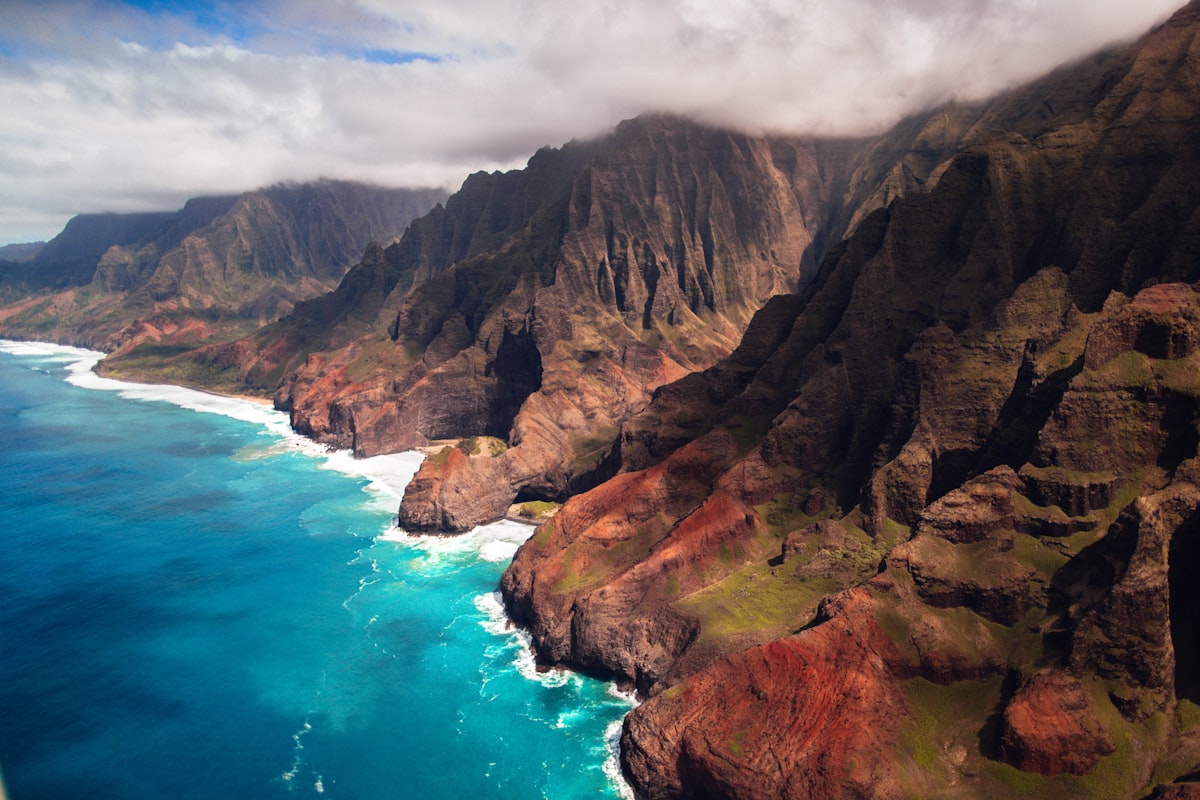

Kauai is the oldest of the main Hawaiian islands, and its geology shows it, the coastline is deeply eroded, the mountains are steep and jagged, and the sea floor drops into abyssal depths closer to shore than on any other island in the chain. That geological fact is the foundation of Kauai's fishing: the deep water is right there, the bait and predators are concentrated against the steep underwater walls, and the charter fleet that works this water is small enough that you'll rarely see another fishing boat on the horizon.
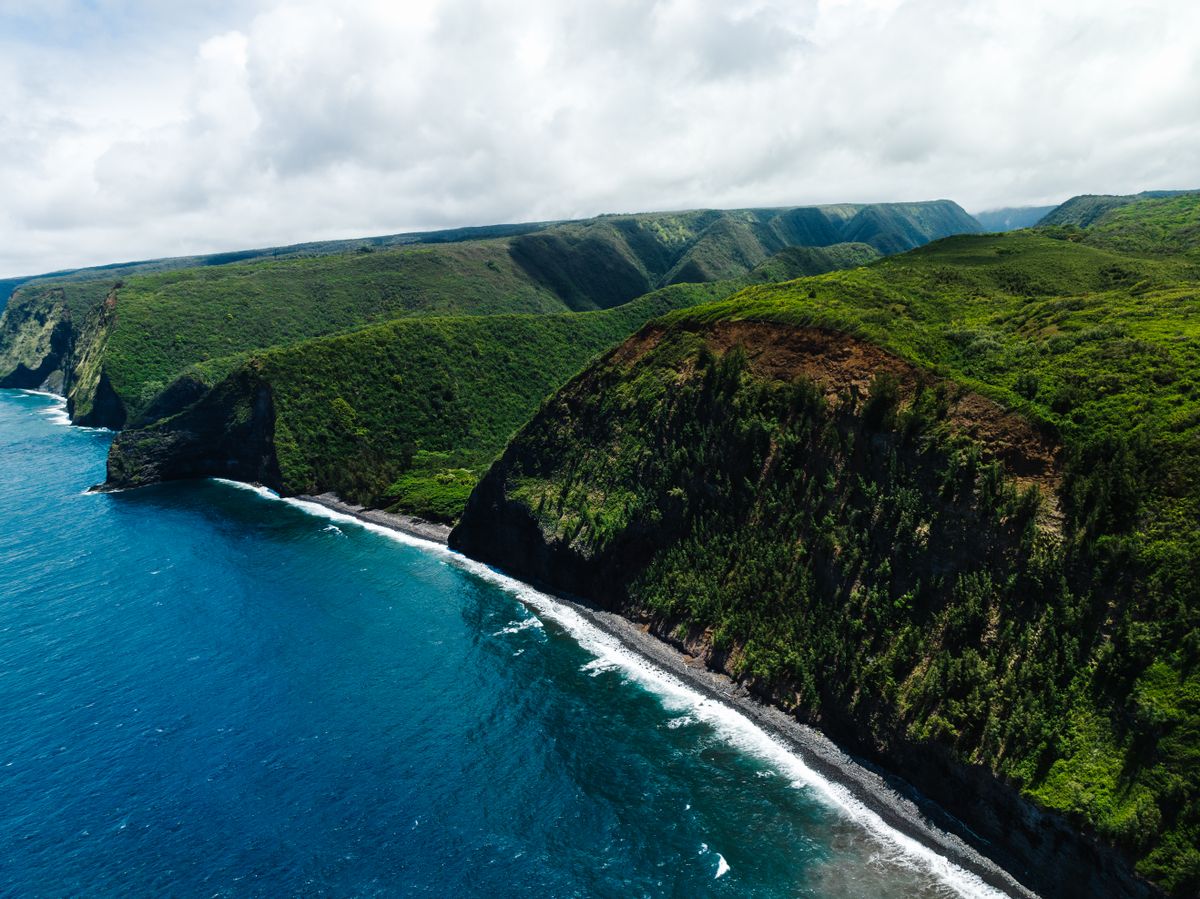
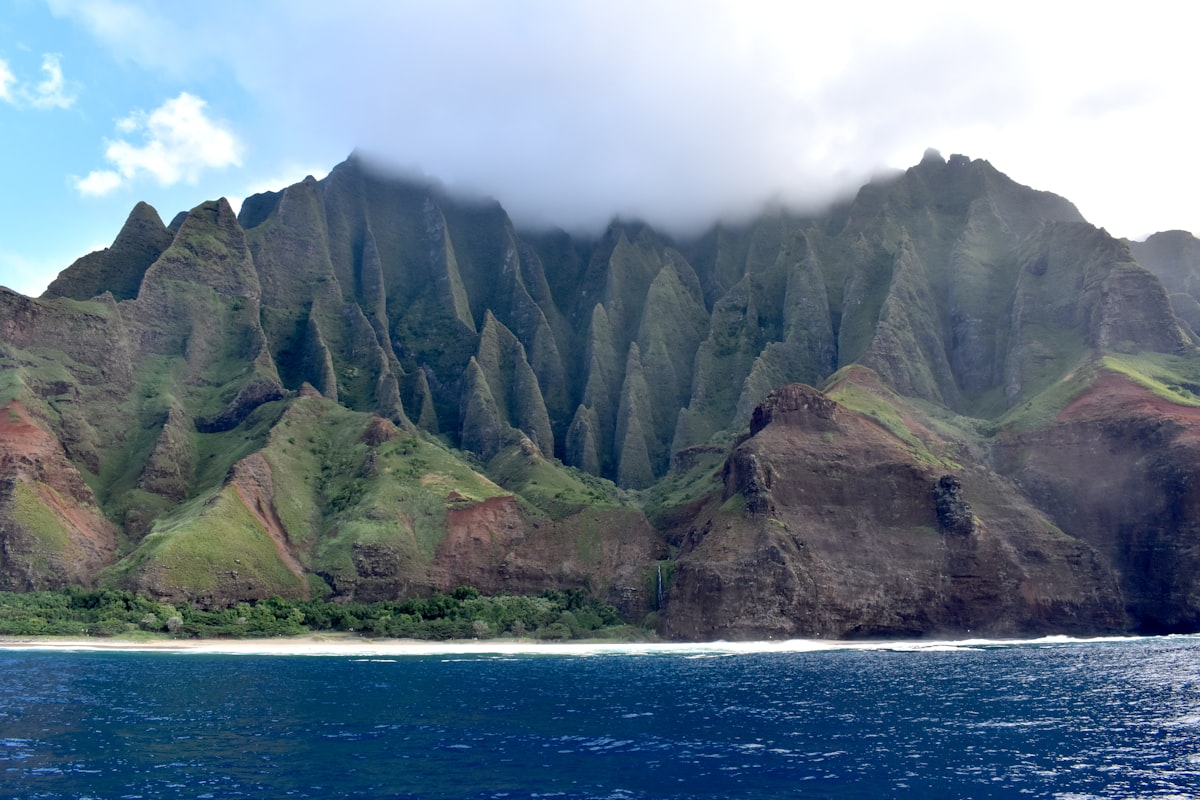
The Na Pali Coast, a 17-mile stretch of fluted sea cliffs, hanging valleys, and emerald spires on Kauai's northwest shore, is the visual backdrop for many fishing trips. It's inaccessible by road, visible only from the water or the air, and widely considered the most dramatic coastline in the United States. Fishing along the Na Pali isn't a two-for-one, the scenery and the fishing are both reasons to be there.
The Deep Drop-Off, Why Kauai Fishes Close
Kauai's underwater topography is the key. The seafloor drops from shallow reef to over 1,000 feet within a quarter mile of shore in many places, an extreme gradient that doesn't exist on younger islands like Maui or the Big Island, where the underwater slopes are more gradual.
This means blue-water species, marlin, tuna, mahi-mahi, ono, hold closer to shore on Kauai than almost anywhere else in Hawaii. Charter boats are in productive water within 10 minutes of leaving the harbor, which translates to more fishing time per trip and more opportunities for hookups.
The Fleet, Small, Local, Personal
Kauai's charter fleet is the smallest of the four main Hawaiian islands, and that's an advantage. Fewer boats mean less competition on the water, more personal attention from the captain and crew, and a fishing experience that feels local rather than commercial.
Most charters run from Nawiliwili Harbor in Lihue (the main town) or Port Allen on the south shore near Poipu. Both harbors put boats on the fish quickly, and the choice between them depends on which coast you want to fish.
The Species, Year-Round Rotation
Kauai's species mix mirrors the rest of Hawaii but with its own seasonal rhythm:
Blue marlin are the trophy target. They patrol the deep water year-round, with the peak in summer (June through September) when warm water and abundant bait concentrate the largest fish. Kauai produces blues over 500 pounds every season, less frequently than Kona, but with fewer boats competing for the fish.
Yellowfin tuna (ahi) school around the FADs (fish aggregating devices) and current lines, peaking in summer when water temperatures rise. Fish of 50 to 100 pounds are standard fare, with occasional ahi over 150. The fighting power of a big ahi, long screaming runs and deep dives, makes them the most physically demanding species on the Kauai menu.
Mahi-mahi are Kauai's most consistent action fish, peaking in spring (March through May) and fall (September through November) when they stack under floating debris and weed lines. The colors (electric blue, green, gold, with spots), the acrobatics (repeated jumps), and the willingness to eat (every bait, every time) make mahi the most entertaining species to catch.
Ono (wahoo) run in spring and summer (April through August), hitting high-speed trolling lures with violent, rod-bending strikes. They're the fastest fish in the ocean, the initial run of a hooked ono is a blur of line leaving the reel.
Striped marlin and spearfish are the winter species (November through March), with striped marlin providing acrobatic billfish action on lighter tackle.
The Na Pali Coast, Fishing the Cliffs
Charters departing from Port Allen on the south shore access the Na Pali Coast on longer trips, running northwest along the coast to fish the deep water beneath the sea cliffs. The fishing along Na Pali is excellent (the steep underwater walls concentrate bait and predators), and the scenery is a bonus that no other fishing destination in the world can match.
Trolling the Na Pali means working the lure spread with 3,000-foot sea cliffs rising directly above you, waterfalls pouring off the cliff faces, and spinner dolphins riding the boat's bow wake. The fish don't know about the scenery, but the angler does.
Some charters offer combination Na Pali scenic-and-fishing trips, spending part of the day sightseeing along the coast and part fishing the productive water below the cliffs.
Shore Fishing
Kauai's rocky shoreline holds the same shore-fishing traditions as the rest of Hawaii. Ulua (giant trevally) are the premium target from the rocks at night. Papio (juvenile trevally) provide lighter-tackle action during the day. Bonefish are present on the south shore flats.
Reef fishing from the shoreline and piers targets a variety of tropical species for eating. Kauai's less-developed coastline offers more solitude for shore fishing than Oahu or Maui.
When to Go
Kauai fishes year-round:
- November–March: Striped marlin and spearfish, winter weather can limit some days, mahi-mahi building
- March–May: Mahi-mahi peak, ono starting, blue marlin building, spring is excellent and uncrowded
- June–September: Peak season, blue marlin, ahi, ono, best weather, most charter availability
- October–November: Fall mahi-mahi, transition fishing, the quietest time on the water