Jacksonville Fishing: From the Gulf Stream Back to the River
← All field notes

Jacksonville · Florida

Jacksonville Fishing: From the Gulf Stream Back to the River

Jacksonville is the rare city where you can chase wahoo in the Gulf Stream, redfish in the creeks, and largemouth bass on the St. Johns, all in the same week. Here's how the fishery unfolds from salt to fresh.

Colin Van Dyke

Colin Van Dyke

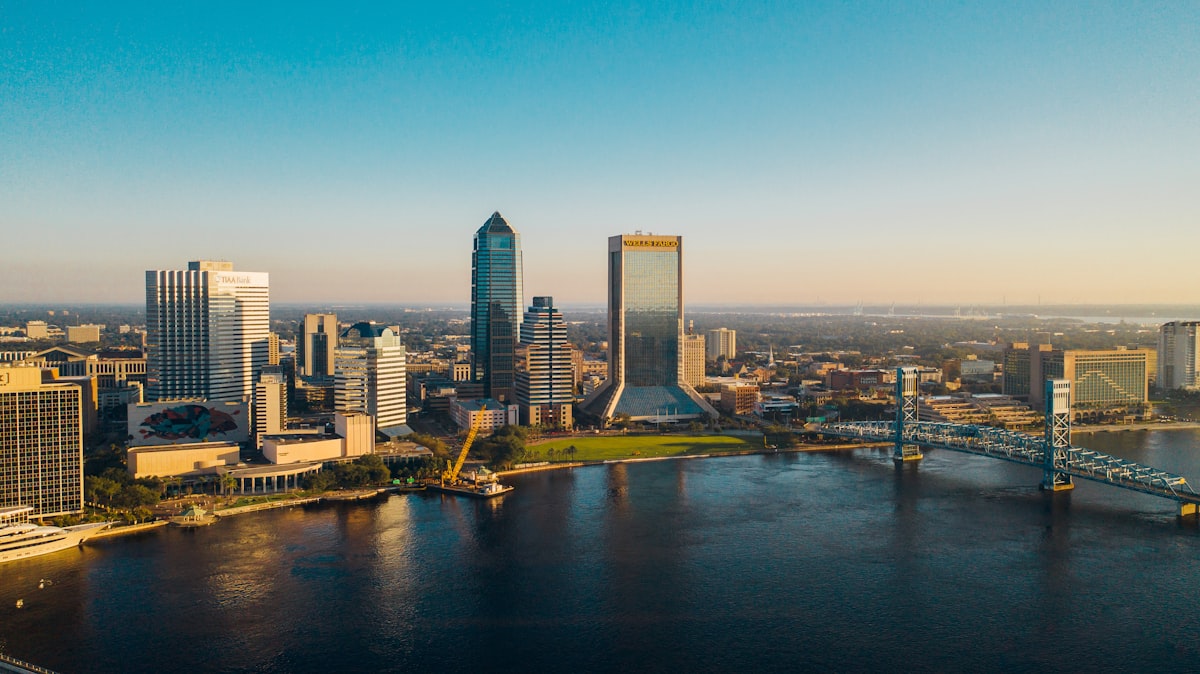
Jacksonville sprawls across the mouth of the St. Johns River, one of the few major rivers in the country that flows north. Where the St. Johns meets the Atlantic Ocean at Mayport, the salt and fresh water mix across a gradient that produces one of the most varied fisheries in the Southeast, you can fish the Gulf Stream offshore, the jetties and inshore creeks in the salt, and trophy largemouth bass in the freshwater stretches of the river, all from the same city.

The diversity is real. Jacksonville's fishing ranges from blue-water pelagics 40 miles out to five-pound bass in a lily-pad-lined creek that you'd never know existed until someone shows you the turn.

Offshore, The Reefs, Wrecks, and the Stream

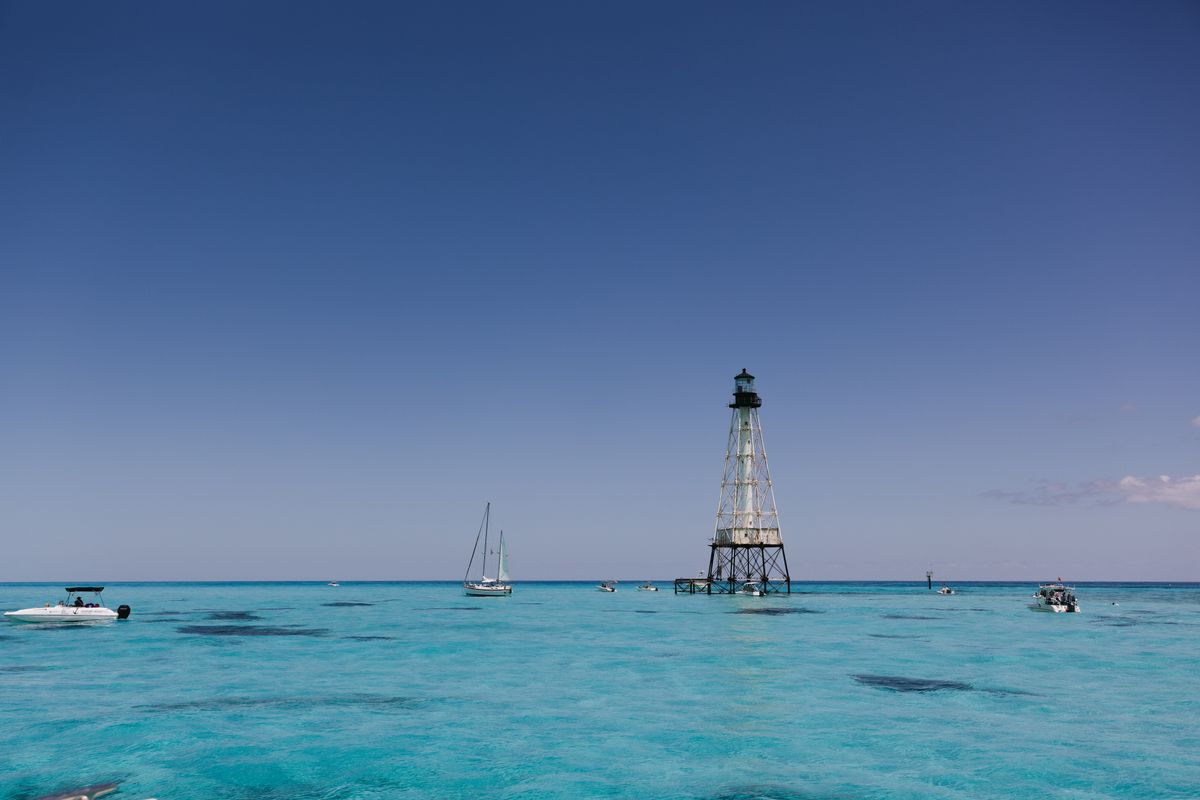
Jacksonville's offshore fishery starts at the nearshore reefs and artificial structures, the city has deployed over 100 artificial reefs off its coastline, and extends to the Gulf Stream, which runs roughly 40 to 50 miles offshore.

The reef and wreck grounds hold red snapper (during federal season), gag grouper, scamp, amberjack, king mackerel, and barracuda. Notable sites like Elton Bottom, a natural reef and ledge system, and deep wrecks like Bill's Barge produce year-round bottom fishing. Greater amberjack pull like hell on heavy tackle and are the fish most likely to make you question your gym routine.

Gulf Stream trips target the blue-water species. Wahoo are a winter specialty, November through March, when they run the temperature breaks along the Stream edge. Blackfin tuna school along the color changes year-round. Sailfish move through in fall and winter, and mahi-mahi show under debris and weed lines from spring through summer. These are long-day trips, 8 to 12 hours, but the reward is fish you can't reach from shore.

Cobia migrate along the coast in spring (March through May), cruising the surface and holding near buoys, rays, and floating structure. Sight-casting to a cobia from the bow of a boat, throwing a jig or live eel at a 50-pound fish cruising just below the surface, is one of the most exciting moments in Northeast Florida fishing.

The Jetties, Mayport's Year-Round Fishery

The Mayport jetties are the most productive shore-fishing spot in Northeast Florida. Massive granite boulders extend into the Atlantic, creating current breaks and structure that hold fish in every season.

Sheepshead are the winter stars, December through March, they pack against the jetty rocks during spawning season, eating barnacles and fiddler crabs. They're one of the best-eating fish in the ocean, and the jetties produce them in numbers. A fiddler crab or piece of shrimp on a small hook, dropped tight against the rocks, is the rig.

Redfish and black drum work the jetty rocks year-round. Flounder lie in the sandy pockets between the boulders, especially during the fall migration. Tarpon cruise the jetty tips in summer, rolling on the surface, big fish, 80 to 150 pounds, that test every knot and connection in your setup.

Spanish mackerel run past in spring and fall, king mackerel hold on the deeper jetty sections, and jack crevalle swarm through in schools that turn the water white. The Mayport jetties fish every month of the year, the species rotation changes, but the productivity doesn't.

The Inshore Creeks, Redfish and Trout Country

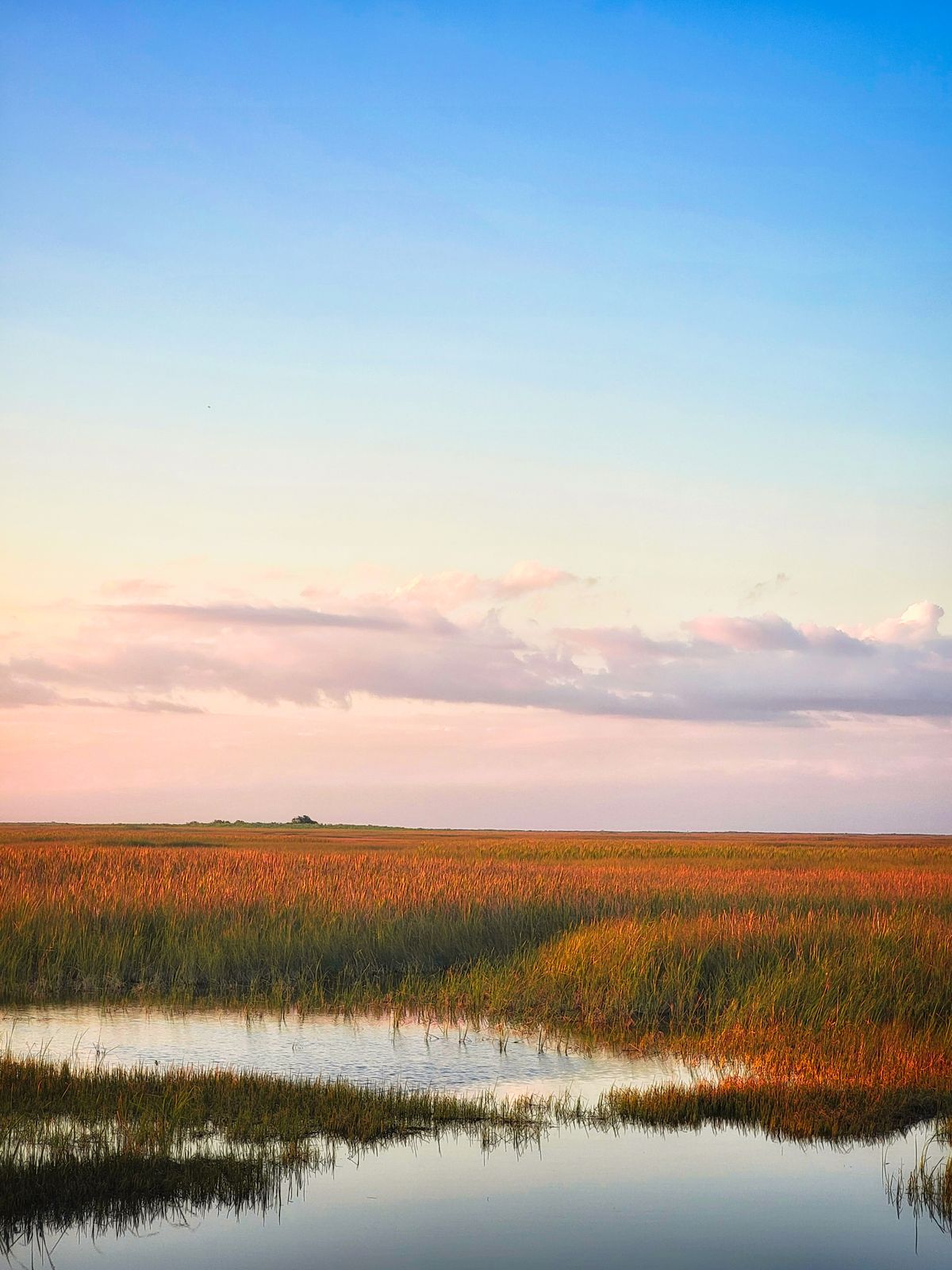
Between the river and the ocean, Jacksonville's inshore waterways, the Nassau Sound, the Sisters Creek, Mill Cove, the Intracoastal, wind through salt marsh, oyster bars, and grass flats that hold redfish, spotted seatrout, and flounder.

Mill Cove is a prime example, a shallow, oyster-bar-studded area off the St. Johns near the Dames Point Bridge that holds concentrations of redfish and trout on the tide. Working soft plastics or live shrimp along the oyster edges on a falling tide is textbook Jacksonville inshore fishing.

Redfish are the inshore headline. They push into the marsh creeks and around the oyster bars on incoming tides, feeding in pods along the edges. On clear-water days in the Nassau Sound, you can sight-cast to them. The fall bull redfish run, September through November, brings big fish into the sounds and jetties, and the fishing is excellent.

Flounder stage along the channel edges and marsh drains during their fall migration (October and November), and the flounder run is a Northeast Florida tradition. Bouncing jigs or live finger mullet along the bottom produces reliable action.

The St. Johns River, Freshwater Bass

The St. Johns River is one of the best largemouth bass fisheries in Florida, and the upper and middle stretches are genuinely world-class. The river is broad, slow-moving, and lined with lily pads, hydrilla, and cypress trees, classic Florida bass habitat.

Bass fishing on the St. Johns peaks in the cooler months, February through April, when fish move shallow to spawn. Flipping jigs and soft plastics into heavy vegetation, throwing spinnerbaits along grass edges, and working topwater frogs over lily pads all produce fish. The river is known for quantity and quality, double-digit days are common, and fish over eight pounds are caught every season.

The shift from saltwater to freshwater on the same river, redfish and sheepshead in the lower river around Mayport, largemouth and bluegill a few miles upstream, is what makes Jacksonville's fishing uniquely versatile. Some guides offer combination trips that fish the salt in the morning and the fresh in the afternoon.

When to Go

  • Spring (March–May): Cobia on the beach, largemouth bass spawning on the river, redfish in the creeks
  • Summer (June–August): Tarpon at the jetties, offshore reef fishing, jack crevalle runs
  • Fall (September–November): Bull redfish run, flounder migration, sailfish offshore, the best all-around season
  • Winter (December–February): Sheepshead on the jetties, wahoo in the Gulf Stream, trophy bass on the river
Recommended gear

  • Penn Battle III 4000 Combo

    Mid-tier, covers everything from jetty reds to offshore bottom fishing

  • Penn Fierce IV 3000 Combo

    Entry level, good for creek redfish and inshore trout

  • Shimano Stradic FL 4000

    Premium, casts far off the Mayport jetties, smooth drag for cobia

  • Berkley Gulp Shrimp 3-inch New Penny

    Jacksonville's go-to inshore artificial for reds and flounder

  • Rapala X-Rap Saltwater 10

    Jerkbait for jetty fishing, redfish, snook, and bluefish

  • Z-Man TRD MinnowZ Smoky Shad

    Ned rig for St. Johns River largemouth bass

  • Ugly Stik GX2 Spinning Combo 7-foot Medium

    Entry level, dedicated St. Johns bass rod

  • Owner Mutu Light Circle 4/0

    Live bait hook for Jax inshore, shrimp and mud minnows

  • Kastmaster Spoon 1/2oz Gold

    Cast off the jetties for mackerel, jacks, and bluefish

Frequently asked

Do you need a fishing license in Jacksonville?

On a charter or licensed pier, you're covered. Fishing on your own from shore or a private boat, non-residents need a Florida saltwater license, a 3-day is about $17, at GoOutdoorsFlorida.com. The St. Johns River largemouth bass need the separate Florida freshwater license.

How much does a Jacksonville fishing charter cost?

Inshore trips for redfish, trout, and flounder in the St. Johns and the Intracoastal typically run about $400 to $600 for a half day. Nearshore and offshore trips to the reefs and wrecks run roughly $700 to $1,200, and full-day Gulf Stream runs cost more.

What makes Jacksonville fishing unique?

Jacksonville is one of the few cities where you can fish the Gulf Stream for pelagics, the jetties for sheepshead and tarpon, inshore creeks for redfish, and the St. Johns River for largemouth bass, all within a short drive. The salt-to-fresh gradient across the St. Johns creates unusual species diversity.

When is the best time to fish in Jacksonville?

Fall (September through November) is the best all-around season, bull redfish run the sounds and jetties, flounder migrate, and the weather is comfortable. Winter is best for sheepshead and wahoo. Spring brings bass spawning on the river and cobia along the coast.

Can you catch largemouth bass in Jacksonville?

Yes. The St. Johns River is one of the best bass fisheries in Florida. The upper and middle river stretches hold trophy largemouth in lily pads, hydrilla, and cypress trees. Bass fishing peaks February through April during the spawn, with fish over eight pounds caught every season.

What are the Mayport jetties?

The Mayport jetties are massive granite structures extending into the Atlantic at the mouth of the St. Johns River. They hold fish year-round, sheepshead in winter, redfish and flounder year-round, tarpon and king mackerel in summer, and Spanish mackerel in spring and fall. They're the most productive shore-fishing spot in Northeast Florida.

How far offshore is the Gulf Stream from Jacksonville?

The Gulf Stream runs approximately 40 to 50 miles offshore from Jacksonville, farther than South Florida but reachable on a full-day charter. Wahoo, blackfin tuna, sailfish, and mahi-mahi are the primary targets. Closer in, the artificial reef system holds snapper, grouper, and amberjack within 15 to 30 miles.

More Florida field notes

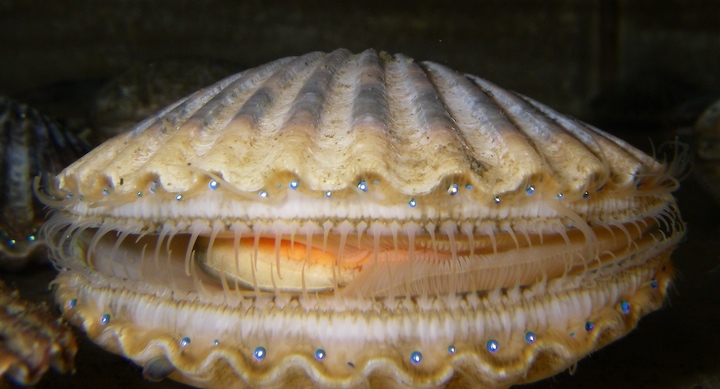
Three Zones, Three Different Seasons, One Scallop

Steinhatchee, FL

Three Zones, Three Different Seasons, One Scallop

Florida's bay scallop season is three separate seasons, and only one of them runs on its own dates while the other two share a calendar. Pick the zone before you pick the weekend, because the drive between them is hours.

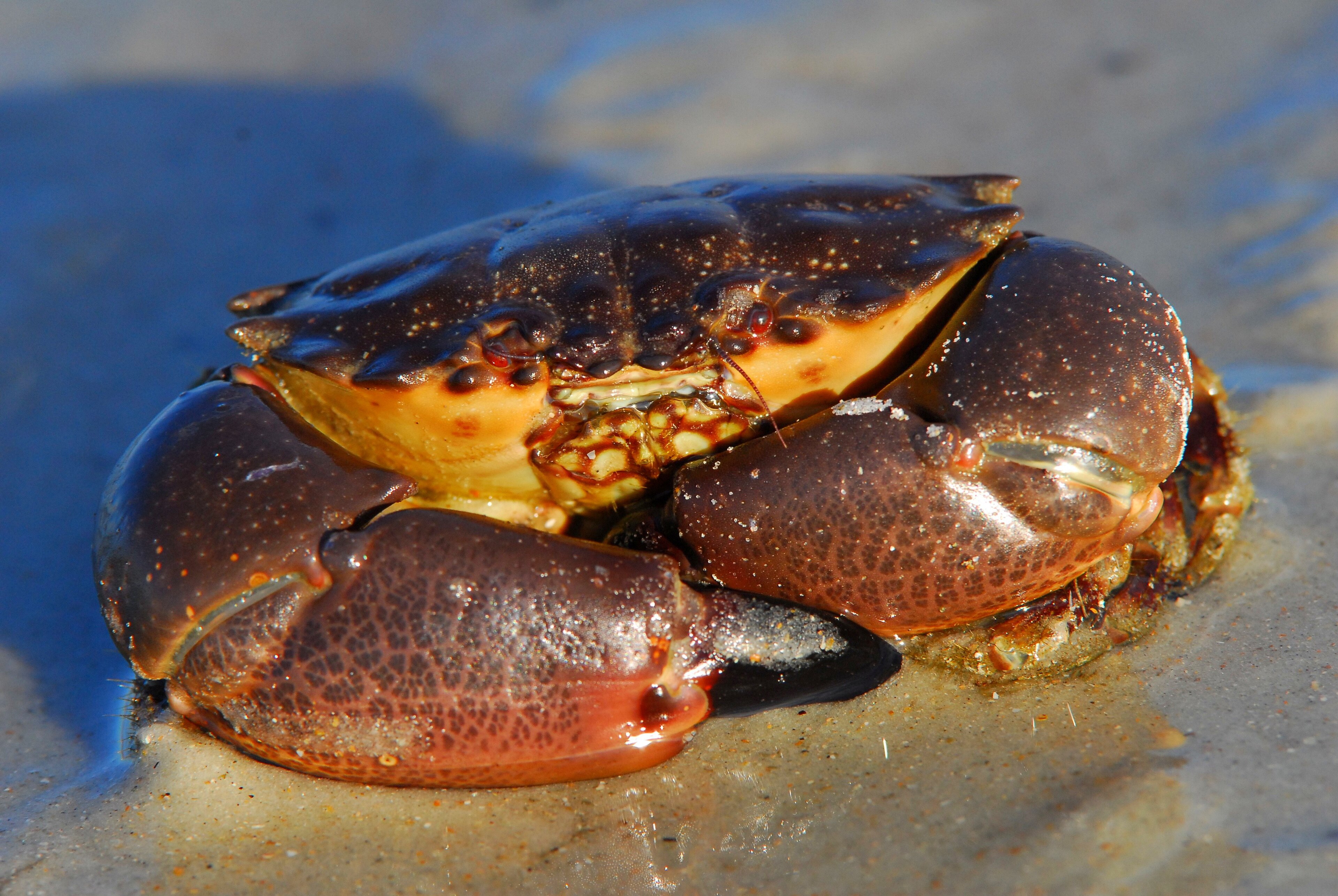
You Take the Claw and the Crab Goes Back

Everglades City, FL

You Take the Claw and the Crab Goes Back

Florida stone crab is the one American fishery where you harvest a limb and return the animal alive. It regrows the claw in about a year. Whether that makes it harmless is a more interesting question than the marketing suggests.

Fly Fishing Everglades National Park: Tarpon, Snook, and Redfish in America's Wildest Saltwater Backcountry

Everglades City, FL

Fly Fishing Everglades National Park: Tarpon, Snook, and Redfish in America's Wildest Saltwater Backcountry

Everglades National Park is 1.5 million acres of mangrove backcountry, grass flats, and tidal channels holding tarpon over 100 pounds, snook that ambush from the mangrove roots, and redfish tailing on shin-deep flats. It's the only national park in America where the main attraction wears scales.

Fly Fishing Dry Tortugas National Park: Giant Tarpon, Permit, and the Fort at the End of the World

Key West, FL

Fly Fishing Dry Tortugas National Park: Giant Tarpon, Permit, and the Fort at the End of the World

Seventy miles of open Gulf separate Key West from a hexagonal Civil War fortress built on a sand island the size of a few football fields. Migratory tarpon over a hundred pounds stage in the channels around Fort Jefferson each spring, permit tail on the surrounding flats, and barracuda slash through schools of baitfish against the fort walls. Getting there is the hard part. Fishing it is the reward.

Fly Fishing Biscayne National Park: Bonefish, Permit, Tarpon, and the Best Saltwater Flats You Can Reach by Uber

Homestead, FL

Fly Fishing Biscayne National Park: Bonefish, Permit, Tarpon, and the Best Saltwater Flats You Can Reach by Uber

Biscayne National Park is 95% water, the largest marine park in the National Park System, with gin-clear turtle grass flats holding bonefish, permit, and tarpon 30 minutes south of downtown Miami. Here's the fly box, the seasonal calendar, and why this park is the Everglades' clear-water sister.

How to Fish Tampa Bay: A Beginner's Guide to Flats, Bridges, Passes, and Piers

Tampa, FL

How to Fish Tampa Bay: A Beginner's Guide to Flats, Bridges, Passes, and Piers

A hands-on beginner guide to fishing Tampa Bay, from wading the grass flats of Weedon Island and Cockroach Bay to night fishing the Gandy Bridge, working the passes on a falling tide, and pier fishing the Skyway. Covers gear, rigs, bait, species, tides, and the local knowledge that separates a good day from a blank.