Jackson Hole Fishing: Floating the Snake River Through the Tetons
← All field notes

Jackson Hole · Wyoming

Jackson Hole Fishing: Floating the Snake River Through the Tetons

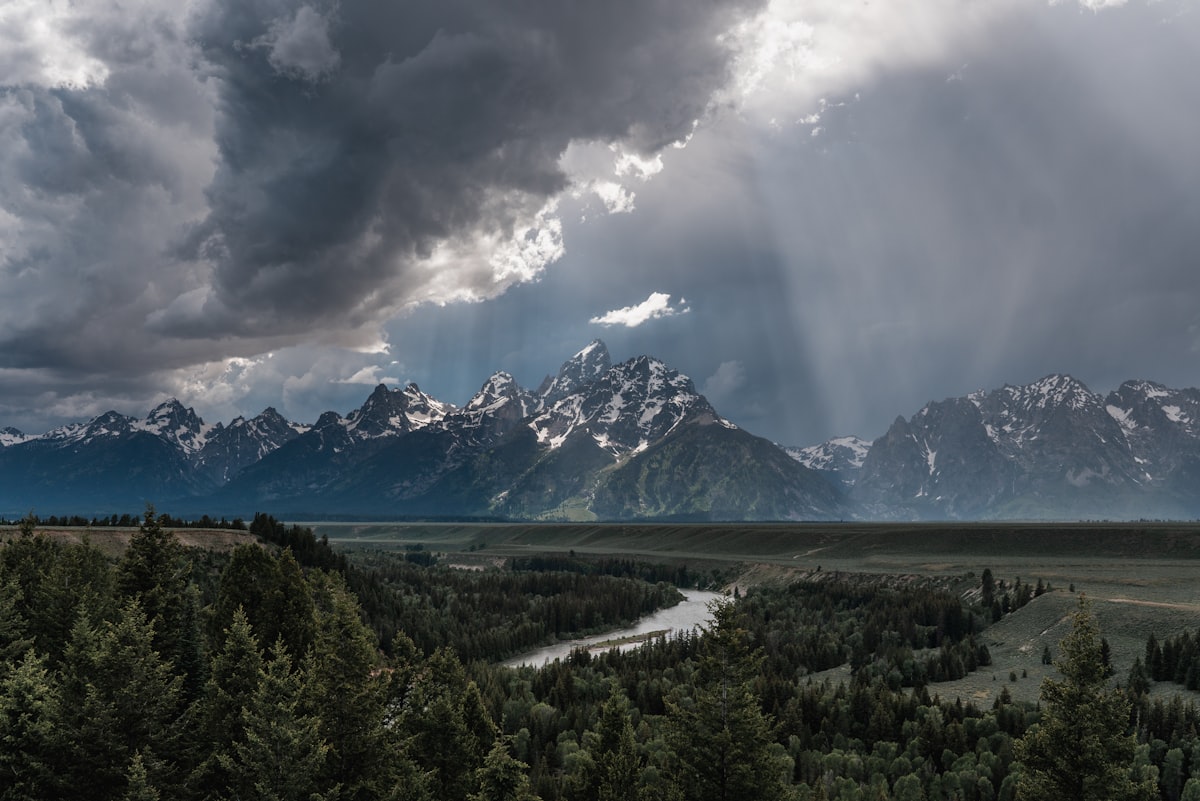
Jackson Hole is where the Snake River flows through a valley framed by the most dramatic mountain range in the lower 48. The fishing is excellent. The scenery makes it transcendent.

Colin Van Dyke

Colin Van Dyke

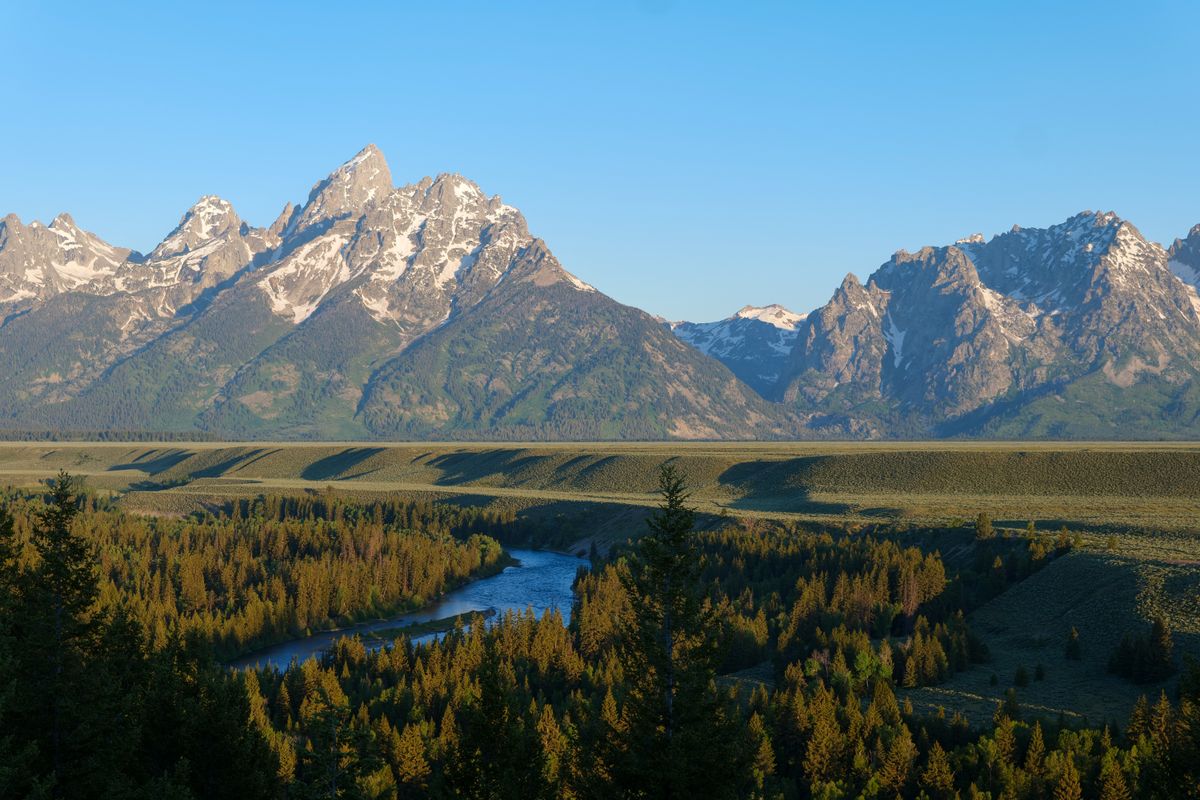
Jackson Hole is a valley in northwest Wyoming, 60 miles long and 15 miles wide, with the Teton Range rising 7,000 feet from the valley floor on the west side. The Snake River flows through the center of it, out of Jackson Lake in Grand Teton National Park, through the park's braided channels, past the town of Jackson, and into the Snake River Canyon to the south.

The fishing here is a float trip. You sit in a drift boat while a guide rows you through miles of river framed by the most dramatic mountain scenery in the lower 48, casting to native cutthroat trout that rise freely to dry flies. It's the most scenic fishing experience in America, and the trout fishing is genuinely excellent.

Want to fish the Snake yourself? Our beginner's guide to fishing Jackson Hole covers gear, flies, and reading the river. For more Teton water, see our Grand Teton fly fishing guide.

The Snake River, Native Cutthroat

The Snake River through Jackson Hole holds a healthy population of Snake River fine-spotted cutthroat trout, a subspecies found nowhere else on Earth. They're marked by spots smaller than any other western cutthroat, scattered like pepper across their flanks, and they're native to this drainage. Catching one on a dry fly, with the Tetons rising behind the river, is a connection to a landscape that hasn't changed.

The fish average 12 to 16 inches, with cutthroat over 18 inches caught regularly and the occasional fish over 20. They're not the biggest trout in the West, but they eat dry flies with confidence, fight well in the river's braided currents, and they're wild, every fish is a product of the river itself.

The Float Trip, How It Works

The standard Jackson Hole fishing experience is a guided float trip on the Snake River. You board a drift boat, a specialized, flat-bottomed boat designed for rivers, at an upstream launch, and the guide rows you downstream through 8 to 12 miles of river over a full day.

The guide reads the water, positions the boat, and calls the casts: "Cutbank, right side, 30 feet." You cast a dry fly, a hopper, a stimulator, or a small mayfly pattern, to the rising fish or the likely holding water, and the guide maneuvers the boat to give you the best drift. When a cutthroat eats, the river's current adds fight to every fish.

The float covers water that's inaccessible from shore, braided channels, side channels, log jams, and undercut banks that hold the best fish. The guide knows which channels are flowing, which banks hold fish at the current water level, and where to pull over for lunch on a gravel bar with the Tetons as the backdrop.

Grand Teton National Park sections of the Snake River require a permitted outfitter. Several guide services hold park concessions that allow them to launch and float within the park boundaries, where the scenery is at its most dramatic.

Seasonal Fishing

Spring runoff (May through late June) swells the Snake with snowmelt. The river is typically unfishable during peak runoff, high, fast, and cloudy. Guides shift to stillwater options (Jackson Lake, Slide Lake) and smaller tributaries during this window.

Early July through mid-August is prime season. The Snake clears, the flows stabilize, and the dry-fly fishing hits its stride. Hopper season, late July through September, is the peak of the peak. Grasshoppers fall into the river from the grassy banks, and the cutthroat key on them aggressively. Casting a foam hopper pattern against a grassy bank and watching a 16-inch cutthroat demolish it is the signature Jackson Hole fishing moment.

September through October is the local favorite. The crowds thin (the park empties after Labor Day), the fish feed more aggressively as they prepare for winter, and the fall colors on the cottonwoods and aspens turn the valley gold. The flows drop, which makes the river more wadeable and the fish more concentrated in the deeper runs.

November closes most of the park sections, but the Snake River below the park and the South Fork of the Snake (over in Idaho) fish through late fall for dedicated anglers.

Other Waters

Jackson Lake in Grand Teton National Park holds lake trout (mackinaw) and cutthroat trout in cold, deep water. Trolling and jigging from a boat produces lake trout that average five to ten pounds.

Flat Creek runs through the National Elk Refuge on the edge of Jackson and holds wild cutthroat in a small, technical stream. It's catch-and-release, fly-fishing only, and the clear, shallow water makes it a demanding sight-fishing experience.

The Green River headwaters near Pinedale (90 minutes south) offer a different character, bigger water, bigger fish, and fewer anglers.

When to Go

  • July: Snake River clears, prime dry-fly fishing begins, the season opener
  • August: Peak hopper season, the best dry-fly fishing of the year
  • September–October: Fall fishing, the locals' favorite, fewer crowds, aggressive fish, gold aspens
  • Winter: The Snake and park sections close; Jackson Lake ice fishing is an option
Recommended gear

  • Orvis Clearwater Fly Rod Outfit 9' 6wt

    Mid-tier, the 6wt handles Snake River cutthroat and wind

  • Sage Foundation Outfit 6wt

    Premium, American-made, the Jackson Hole guide standard

  • Echo Base Fly Rod Kit 9' 5wt

    Entry level, good for your first Snake River float

  • Lamson Liquid Fly Reel

    Mid-tier, sealed drag handles hot Snake River cutthroat

  • Rio Gold Fly Line

    Front-loaded taper for casting big hoppers and streamers

  • Umpqua Jackson Hole Fly Selection

    Hoppers, caddis, PMDs, cutthroat attractors

  • Simms Freestone Wading Boots

    Mid-tier, solid on the Snake's cobble bottom

  • Redington Crosswater Waders

    Entry level, breathable, good for a summer trip

Frequently asked

Can you fly fish Jackson Hole without a guide?

Yes, you can wade the Snake River, the Gros Ventre, and the park lakes on your own with a Wyoming fishing license. But the Snake is a big, braided, cold river, so beginners get far more from a guided float, and float trips inside Grand Teton National Park must use an authorized outfitter.

What flies work in Jackson Hole?

Snake River fine-spotted cutthroat rise readily to dry flies, PMDs and caddis through summer, then hoppers and other terrestrials in late summer, which is the signature Jackson Hole fishing. Streamers and big attractor dries produce in fall, and nymphs work year-round.

What is a Snake River float trip?

A guided drift boat trip on the Snake River, you float 8 to 12 miles of river while casting to native cutthroat trout with the Teton Range as the backdrop. The guide rows, reads the water, and calls the casts. It's the standard Jackson Hole fishing experience and the most scenic float trip in the country.

What are Snake River cutthroat trout?

Snake River fine-spotted cutthroat are a subspecies found nowhere else on Earth, marked by unusually small spots scattered like pepper across their flanks. They average 12 to 16 inches, eat dry flies readily, and are native to the Snake River drainage.

When is the best time to fish Jackson Hole?

August is peak hopper season, the best dry-fly fishing of the year. September and October are the locals' favorite, fewer crowds, aggressive fish, and fall colors. July is when the river first clears after spring runoff. Book July and August well in advance.

Do you need a permit to fish the Snake River?

You need a Wyoming fishing license. Float trips within Grand Teton National Park require a guide with a park concession permit, you can't float the park sections independently with a drift boat. Wade fishing from the bank doesn't require a special permit beyond the license.

How much does a Jackson Hole fishing trip cost?

Guided float trips run $550-700 for a full day and $350-450 for a half day for one to two anglers. The guide provides the drift boat, rods, flies, and lunch. You need a Wyoming fishing license (available online). Tips are customary, $100-150 for a full day with a good guide.

More Wyoming field notes

Fly Fishing Grand Teton National Park: Snake River Cutthroat, Alpine Lakes, and the Most Photogenic Water in the West

Jackson, WY

Fly Fishing Grand Teton National Park: Snake River Cutthroat, Alpine Lakes, and the Most Photogenic Water in the West

Grand Teton National Park holds the Snake River's native finespotted cutthroat, a subspecies found nowhere else on earth, plus alpine lakes beneath the most dramatic mountain backdrop in American fly fishing. Here's every water, every hatch, and every fly you need.

How to Fish Jackson Hole: A Beginner's Guide to Snake River Cutthroat and the Teton Fishery

Jackson Hole, WY

How to Fish Jackson Hole: A Beginner's Guide to Snake River Cutthroat and the Teton Fishery

Everything a first-timer needs to fish Jackson Hole, fly fishing the Snake River for native cutthroat trout, wading vs. float trips, dry fly and nymph techniques, what hatches to match, gear to bring or rent, and how to read this big western river.

How to Fish Cody, Wyoming: A First-Timer's Guide to Shoshone River Trout

Cody, WY

How to Fish Cody, Wyoming: A First-Timer's Guide to Shoshone River Trout

What a beginner needs to fish Cody at the east gate of Yellowstone, the Wyoming license and seasonal closures, fly and spin fishing the North and South Forks of the Shoshone River for cutthroat and trout, Buffalo Bill Reservoir, nearby Yellowstone waters, and the gear and flies that work in the high country.

Fly Fishing the North Platte: Grey Reef, the Miracle Mile, and Wyoming's Trophy Tailwater Nobody Talks About

Casper, WY

Fly Fishing the North Platte: Grey Reef, the Miracle Mile, and Wyoming's Trophy Tailwater Nobody Talks About

The North Platte River holds two of the best tailwater fisheries in the Rockies, the Miracle Mile with its golden stoneflies and the Grey Reef with 8,000 trout per mile averaging 17-19 inches. Casper, Wyoming is the gateway nobody knows about.

Cody Fishing: Three Rivers, a Year-Round Tailwater, and the Gateway to Yellowstone

Cody, WY

Cody Fishing: Three Rivers, a Year-Round Tailwater, and the Gateway to Yellowstone

Cody sits where three very different rivers converge at the east entrance to Yellowstone, the North Fork Shoshone, the Clark's Fork of the Yellowstone, and a warm-spring tailwater you can fish in January.