Hilton Head Fishing: A Month-by-Month Guide to What Shows Up and When
← All field notes

Hilton Head · South Carolina

Hilton Head Fishing: A Month-by-Month Guide to What Shows Up and When

Hilton Head's fishing changes every month as species migrate through Port Royal Sound, from winter sheepshead to spring cobia to summer sharks and tarpon. Here's what to expect and when.

Colin Van Dyke

Colin Van Dyke

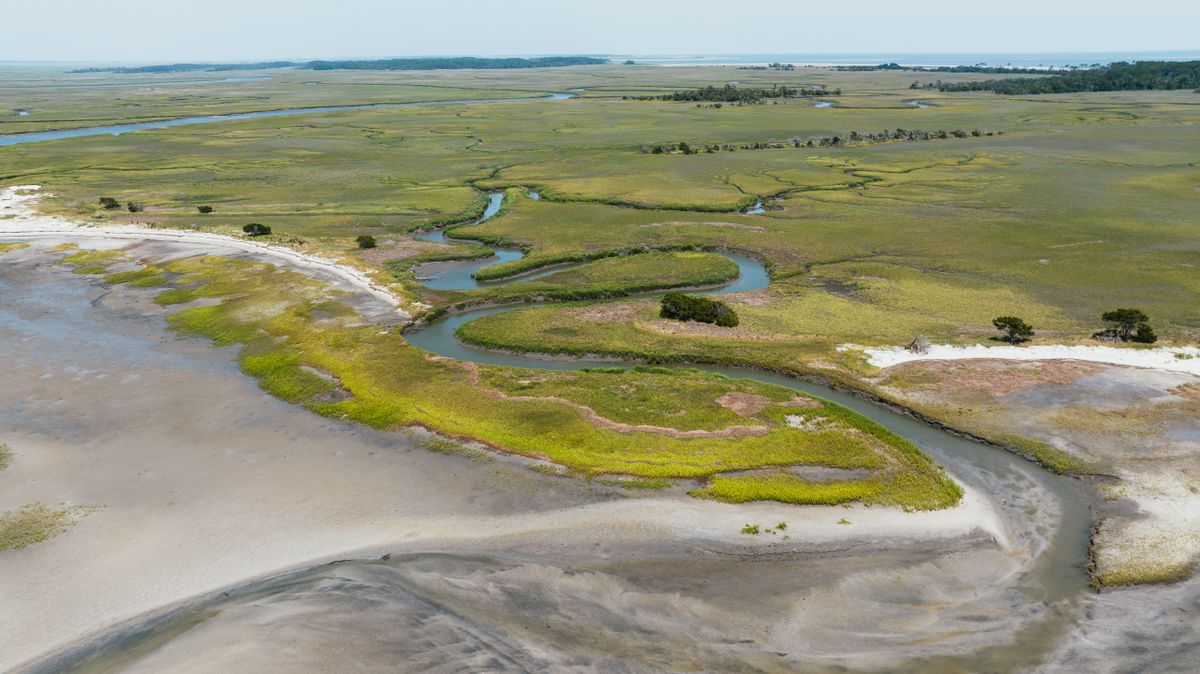
Hilton Head Island sits between Port Royal Sound and Calibogue Sound on the southern tip of the South Carolina coast. The island is surrounded by tidal marsh, deep sounds, and barrier islands, and the fishing rotates through distinct species as water temperatures change and migrations bring new arrivals.

What makes Hilton Head different from other resort-town fisheries is Port Royal Sound, a deep, wide body of water where the Broad River and Beaufort River empty into the Atlantic. The sound is one of the best spots on the entire East Coast for cobia, and its deep channels hold redfish, sharks, and tarpon that many visitors don't expect this far north.

Here's what to expect each season.

Winter (December–February), The Structure Game

Winter fishing in Hilton Head is about structure. Sheepshead pack against bridge pilings, dock pilings, and oyster bars from December through March, eating barnacles and fiddler crabs. They're one of the best-eating fish in the Southeast, and the Hilton Head bridges produce them in numbers. Small hooks, light line, and fiddler crabs dropped tight against the pilings is the rig.

Black drum move into the sounds and creeks, feeding over oyster bars and mud flats. They're similar to redfish in habitat but fight differently, more like pulling a stubborn dog than a screaming run. Fish up to 40 pounds are caught in Port Royal Sound in winter.

Redfish don't leave, they're here year-round. In winter, they concentrate in the deeper creek bends and around warm-water discharges. Anglers who know the winter holes stay on consistent action even on cold days.

Spring (March–May), The Cobia Arrive

Spring is when Hilton Head fishing shifts into gear. Cobia migrate into Port Royal Sound beginning in late March, and by May the sound is one of the most productive cobia fisheries on the East Coast. Fish run 30 to 60-plus pounds, cruising the surface near buoys, rays, and floating structure.

Sight-casting to cobia is the game. You idle through Port Royal Sound scanning the surface for the brown silhouette of a cruising fish, then throw a jig or live eel ahead of it. When a 50-pound cobia eats on the surface five feet from the boat, the explosion is violent.

Speckled trout turn on in spring as water temperatures climb into the mid-60s. They hold over sand potholes in the grass flats around Pinckney Island and the Calibogue Sound edges. Topwater plugs at dawn produce explosive strikes.

Spanish mackerel start running the nearshore water in April, signaling the transition to warm-season fishing.

Summer (June–August), The Convergence

Summer is when everything shows up at once. The warm water brings the full roster of inshore and nearshore species, and the fishing diversity peaks.

Sharks are the summer headliner. Fifteen to twenty species move into the Hilton Head area, blacktip, spinner, bonnethead, bull, lemon, and hammerhead. Shark fishing charters run the nearshore water and the sound, targeting fish from 50-pound blacktips to 200-plus-pound bulls and hammerheads. It's catch-and-release, and the fights on medium tackle are long and dramatic.

Tarpon push into Port Royal Sound from June through August, following the schools of menhaden. The fish run 60 to 120 pounds, Silver Kings in the South Carolina Lowcountry. It's not a daily occurrence, but when the tarpon show, anglers who target them specifically can get on fish.

Redfish spread across the flats and creeks, feeding aggressively in the warm water. Flounder hold along channel edges and sandy transitions. Jack crevalle run the sounds in packs, chasing bait on the surface.

Fall (September–November), The Peak

Fall is the best all-around season. The water cools from summer highs, baitfish stack in the creeks and passes, and every predator in the system feeds hard before winter.

Redfish are at their peak. The fall run pushes big concentrations onto the flats, into the creeks, and along the oyster bars. Slot-sized reds (15 to 23 inches) school in pods of 20 to 50 fish, pushing wakes across the shallow flats. Sight-casting to a school of fall reds on a Hilton Head flat is the defining fishing experience of the island.

Flounder stage along the passes and deep channels before their Gulf migration. The fall flounder run, October and November, is a Lowcountry tradition, and the fish stack in predictable spots that experienced Lowcountry anglers know well.

Speckled trout feed aggressively as water cools, and the fall trout fishing in Calibogue Sound and Port Royal Sound produces both numbers and size.

Offshore

Hilton Head's offshore fishery isn't as prominent as the inshore, but boats running out of Skull Creek Marina and Harbour Town Marina access productive reef and wreck structure within 20 to 40 miles. Black sea bass, grouper, vermillion snapper, king mackerel, and amberjack hold on natural and artificial bottom. Mahi-mahi run under weed lines in summer, and wahoo show up in the cooler months.
Recommended gear

  • Penn Battle III 3000 Combo

    Mid-tier, Hilton Head inshore reds and trout

  • Shimano Stradic FL 3000

    Premium, Calibogue Sound sight-fishing

  • Penn Pursuit IV 3000 Combo

    Entry level, pier and dock fishing

  • Gulp Shrimp 3-inch New Penny

    Hilton Head's oyster bars, reds and trout

  • DOA Shrimp 3-inch Clear/Gold

    Bounce along the dock pilings for sheepshead

  • Z-Man TRD MinnowZ Smoky Shad

    Finesse for Calibogue Sound flounder

Frequently asked

Do you need a fishing license on Hilton Head?

On a charter, the captain's license covers everyone aboard. Fishing on your own, non-residents need a South Carolina saltwater license, about $11 for a day or $35 for 7 days, through Go Outdoors South Carolina. Licensed public piers cover anglers fishing from the deck.

How much does a Hilton Head fishing charter cost?

Inshore charters for redfish, trout, and flounder typically start around $350 to $450 for a 3-hour trip for up to two anglers. Half days run $500 to $650, and full-day nearshore or offshore trips range from about $1,000 to $1,800. Most provide all tackle, bait, and license.

What is Hilton Head best known for fishing?

Hilton Head is one of the best cobia destinations on the East Coast, Port Royal Sound produces 30- to 60-pound cobia from late March through May. The island also offers year-round redfish on the flats, excellent shark fishing in summer, and a strong fall inshore season.

When is the best time to fish Hilton Head?

Fall (September through November) is the best all-around season for redfish, trout, and flounder. Spring (March through May) is peak cobia season. Summer brings sharks, tarpon, and the full species roster. Winter is slower but produces sheepshead and concentrated redfish.

Can you catch sharks near Hilton Head?

Yes, 15 to 20 shark species move into Hilton Head waters in summer, including blacktip, spinner, bull, lemon, and hammerhead sharks. Dedicated shark charters run from June through October, targeting fish from 50 pounds to over 200 pounds on catch-and-release trips.

What is Port Royal Sound?

Port Royal Sound is a deep, wide body of water on the north side of Hilton Head where the Broad and Beaufort Rivers meet the Atlantic. It's one of the best cobia fisheries on the East Coast and also holds redfish, black drum, tarpon, and sharks. Its depth and current create an unusually rich ecosystem.

Is Hilton Head good for family fishing?

Yes. Inshore trips for redfish and trout are family-friendly and productive year-round. The calm waters of Calibogue Sound and the tidal creeks are sheltered from ocean swells. Guides carry all gear and most welcome kids. Shark fishing in summer is a popular family activity as well.

More South Carolina field notes

The Season Opens at Noon on a Specific Friday

Charleston, SC

The Season Opens at Noon on a Specific Friday

South Carolina licensed a fishery nobody else did: poles set in shallow water, bait dropped at the base of each, and a cast net thrown over them after dark. Sixty days, its own license, and a five hundred dollar non-resident fee.

Fly Fishing Congaree National Park: Redbreast Sunfish, Bowfin, and Blackwater Bass in America's Tallest Bottomland Forest

Hopkins, SC

Fly Fishing Congaree National Park: Redbreast Sunfish, Bowfin, and Blackwater Bass in America's Tallest Bottomland Forest

Congaree National Park protects the largest intact old-growth bottomland hardwood forest in the United States, 27,000 acres of bald cypress, tupelo, and champion trees standing in tannin-dark water that floods ten times a year. You paddle a canoe through Cedar Creek under a cathedral canopy, casting poppers to redbreast sunfish and Woolly Buggers to bowfin. Nobody comes here for the fishing. That is exactly what makes it worth the trip.

How to Fish Myrtle Beach: A Beginner's Guide to Piers, Surf, and Inlets

Myrtle Beach, SC

How to Fish Myrtle Beach: A Beginner's Guide to Piers, Surf, and Inlets

Myrtle Beach has more fishing piers per mile than anywhere on the East Coast, plus 60 miles of surf and the fish-rich creeks of Murrells Inlet. Here's everything a first-timer needs to know about gear, rigs, bait, and technique to actually catch fish on the Grand Strand.

The Beginner's Guide to Fishing Hilton Head's Lowcountry Creeks and Marshes

Hilton Head, SC

The Beginner's Guide to Fishing Hilton Head's Lowcountry Creeks and Marshes

Hilton Head Island's massive tidal creeks, oyster-studded marshes, and rich Lowcountry waters make it one of the best beginner fishing destinations on the East Coast. Learn how to read the tides, pick the right gear, and catch redfish, flounder, and spotted seatrout in South Carolina's barrier island paradise.

How to Fish Charleston, SC: A Beginner's Guide to Marsh Creeks, Piers, and Lowcountry Reds

Charleston, SC

How to Fish Charleston, SC: A Beginner's Guide to Marsh Creeks, Piers, and Lowcountry Reds

Everything a first-timer needs to fish Charleston, pier fishing at Folly Beach and Mount Pleasant, inshore redfish and flounder in the marsh creeks, sheepshead on the docks, and nearshore reefs for snapper and mackerel. Gear, rigs, bait, and tides.

Myrtle Beach Fishing: From the Pier Rail to the Gulf Stream in One Day

Myrtle Beach, SC

Myrtle Beach Fishing: From the Pier Rail to the Gulf Stream in One Day

Myrtle Beach stretches 60 miles along the South Carolina coast with piers, inlets, nearshore wrecks, and the Gulf Stream close enough for a day trip. How far you go determines what you catch.