Fish
Fish Fire
Fire Hike
Hike Bird
Bird

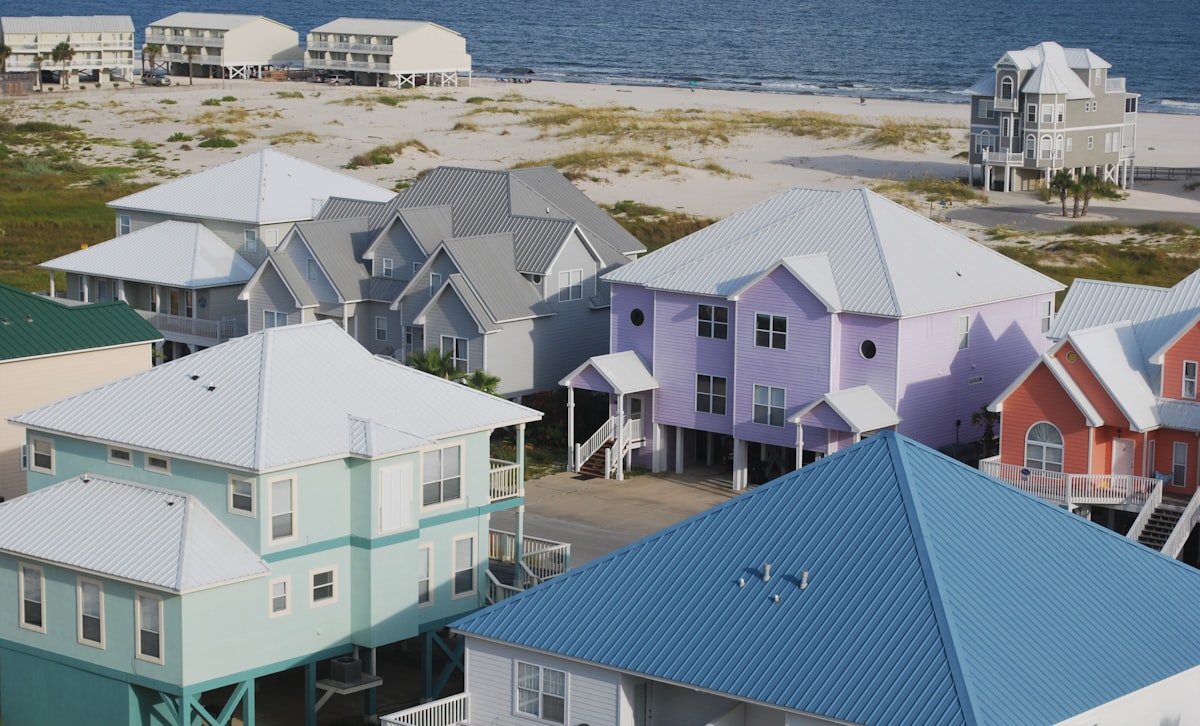

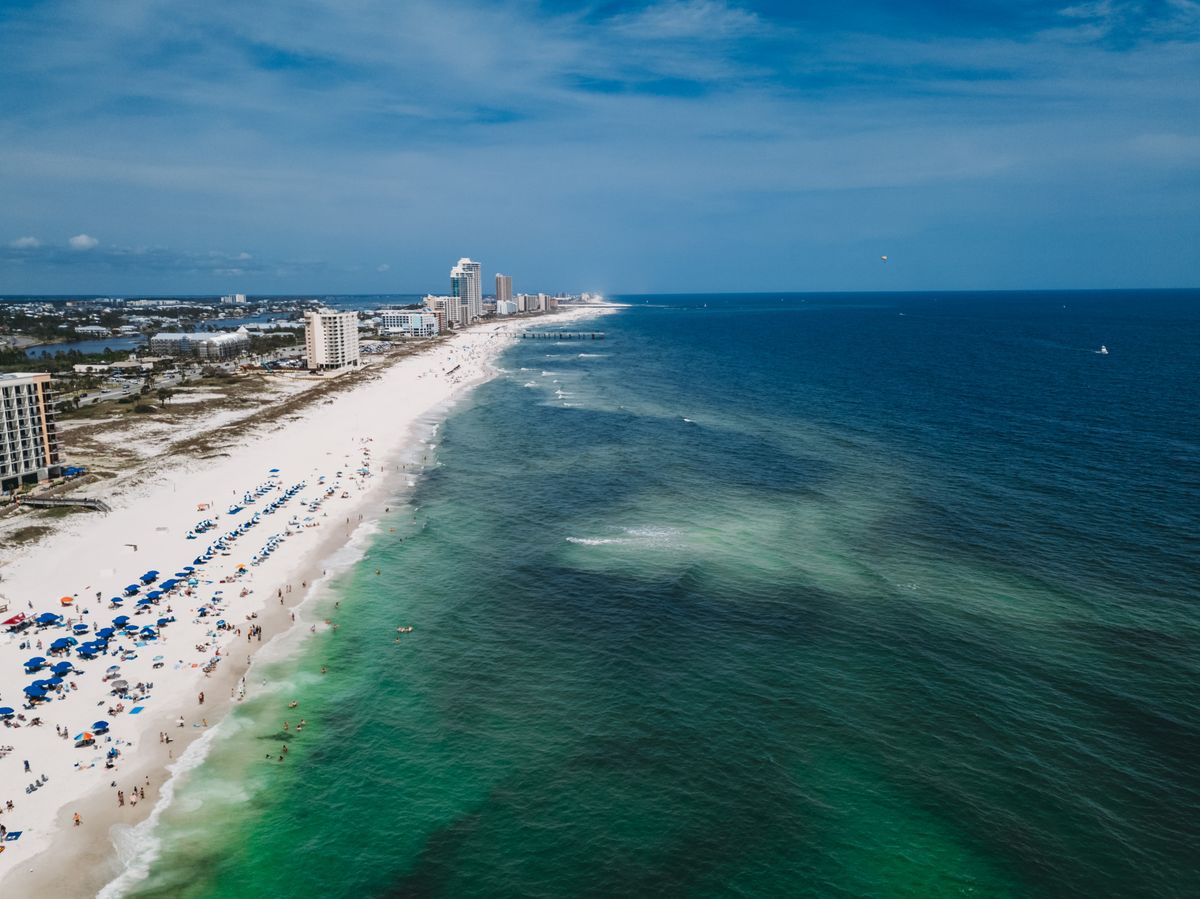
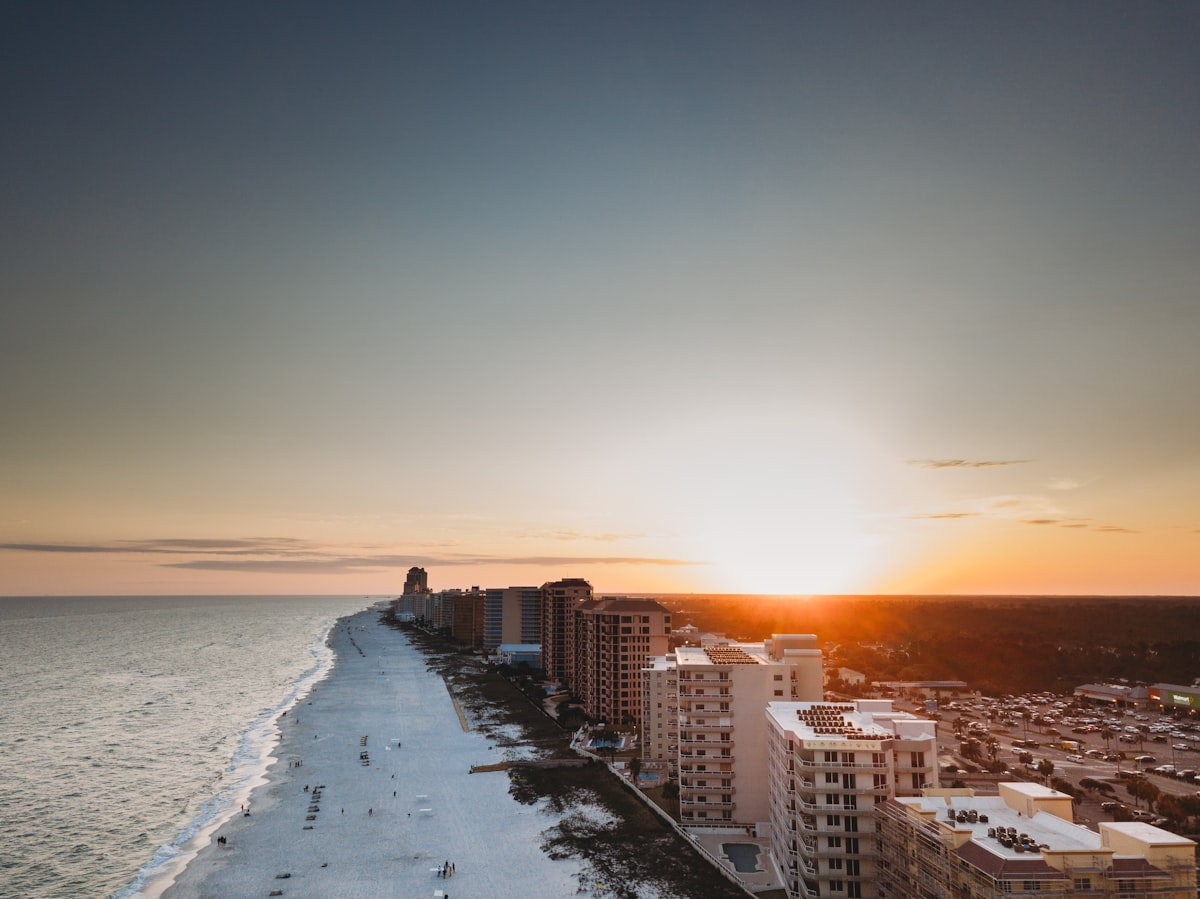
Alabama has the shortest coastline of any Gulf state, just 60 miles of beach. But beneath the surface, the state has built something remarkable: over 17,000 artificial reef deployments spread across the Gulf floor, creating the largest artificial reef system in the world.
The result is an offshore fishery that rivals states with ten times the coastline. Red snapper, grouper, amberjack, triggerfish, and a dozen other reef species hold on this underwater infrastructure in numbers that defy the small geographic footprint. Gulf Shores and neighboring Orange Beach are the departure points for the fleet that fishes this empire of structure.
The Artificial Reef System, What's Down There
Alabama started deploying artificial reefs in the 1950s and hasn't stopped. The reef zones stretch from near-shore, 3 to 9 miles out, to deep water over 100 miles into the Gulf. The material includes decommissioned ships, oil rigs, concrete rubble, steel modules, bridge spans, and purpose-built reef structures.
Each deployment becomes a living reef within years. Barnacles, corals, and algae colonize the structure. Baitfish move in. Predators follow. A single artificial reef the size of a school bus can hold hundreds of red snapper, grouper, triggerfish, and amberjack.
The density of reef material means charter boats can move between spots without long runs. If one reef is slow, the captain runs 10 minutes to the next. This flexibility, having thousands of options instead of a handful, is what makes the Gulf Shores offshore fishery so productive.
Red Snapper, The Flagship
Red snapper are synonymous with Gulf Shores fishing. The artificial reefs hold enormous populations of big, healthy snapper, fish in the 10- to 20-pound range are standard, and 30-pound fish are caught every season.
The federal red snapper season typically runs June through August (exact dates vary annually), and it's the peak charter season. When the season is open, boats limit out quickly, often within the first hour, and move on to other species for the rest of the day. Alabama also manages supplementary state-season weekends outside the federal window.
Even outside red snapper season, the same reefs hold vermillion snapper, lane snapper, and mingo snapper that are catchable year-round.
Grouper and Amberjack, The Heavy Tackle
Gag grouper hold on the deeper reefs and open in state waters typically July through the end of the year. They're powerful bottom fighters that pull hard toward the structure, losing a big grouper to the rocks is part of the game. Fish of 20 to 30 pounds are caught on the artificial reefs.
Greater amberjack circle the taller reef structures, they're the strongest fighting fish in the Gulf for their size, and a 50-pound AJ on heavy tackle is a workout. They're available year-round with seasonal closures.
Triggerfish are the most plentiful reef fish, they hold in dense schools over the structure and eat aggressively. They're excellent eating and provide reliable action when the glamour species are being finicky.
Inshore, Mobile Bay and the Back Bays
Gulf Shores' inshore fishery doesn't get the attention of the offshore, but it's productive year-round.
Mobile Bay to the west holds redfish, speckled trout, sheepshead, and flounder in its channels, grass flats, and around the oil rigs that dot the bay. The oil rig structure in Mobile Bay concentrates bait and predators much like the offshore reefs, they're mini artificial reefs in sheltered water.
Perdido Bay on the Florida border and the back bays behind the beach (Wolf Bay, Cotton Bayou, Terry Cove) hold similar inshore species in quieter water.
Cobia migrate along the beach from March through May, cruising the surface near piers, buoys, and rays. Sight-casting from the Gulf State Park Pier or from a boat along the beachfront is a Gulf Shores spring tradition.
Pier and Surf Fishing
The Gulf State Park Pier extends 1,540 feet into the Gulf, one of the longest on the Gulf Coast, and provides walk-on access to deep water. King mackerel, Spanish mackerel, cobia, pompano, and redfish are all caught from the pier.
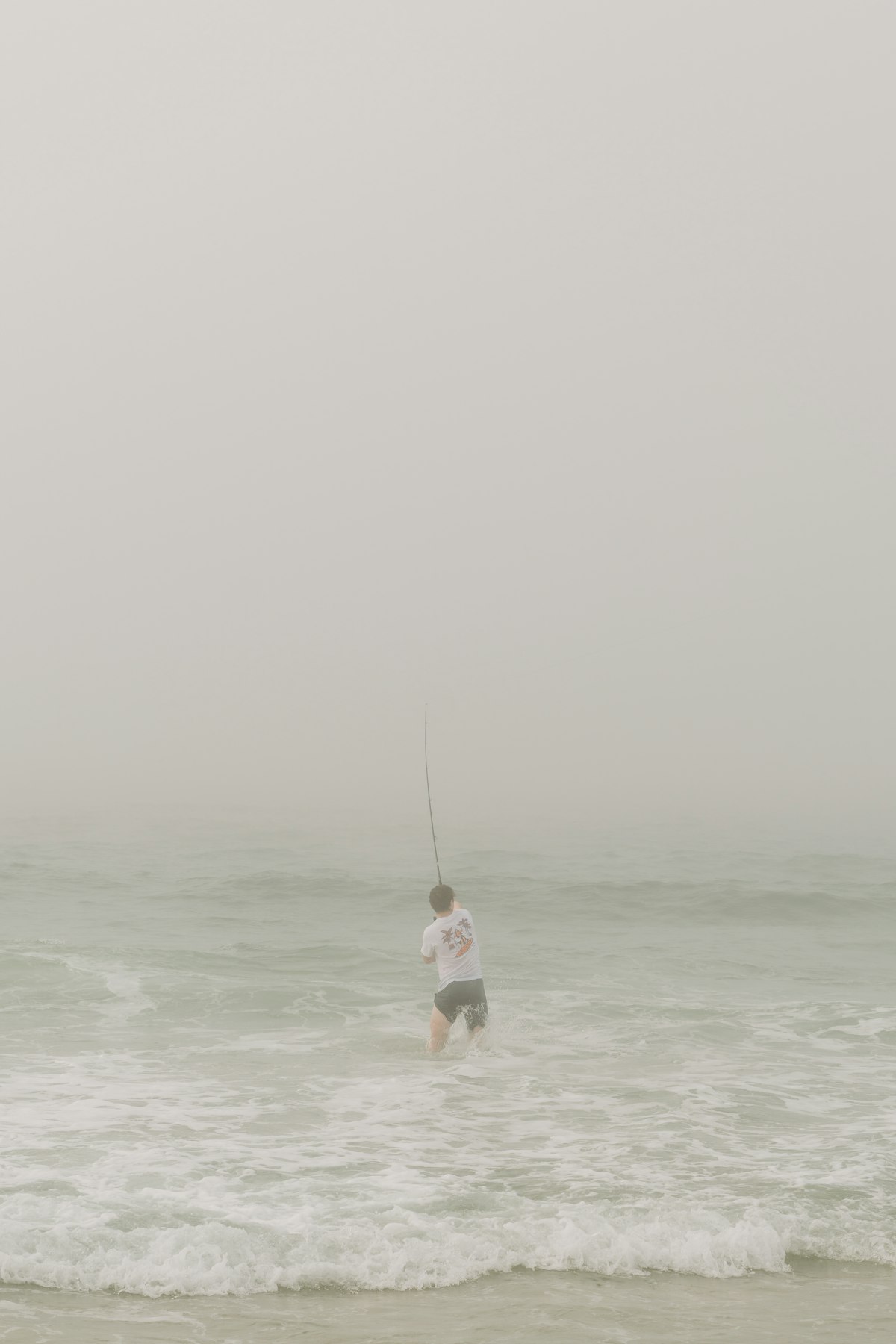
Surf fishing along the beach produces pompano, whiting, redfish, and the occasional bull shark. The fall is the best surf season, when cooling water pushes bait and predators close to shore.
When to Go
- March–May: Cobia migrating along the beach, inshore heating up, early offshore trips
- June–August: Red snapper season, the main event, peak charter season, grouper and amberjack
- September–November: Fall inshore, redfish and trout in the bays, king mackerel nearshore, offshore still producing
- December–February: Sheepshead on the reefs, inshore trout in deeper holes, bottom fishing on artificial reefs