Fish
Fish Fire
Fire Hike
Hike Bird
Bird

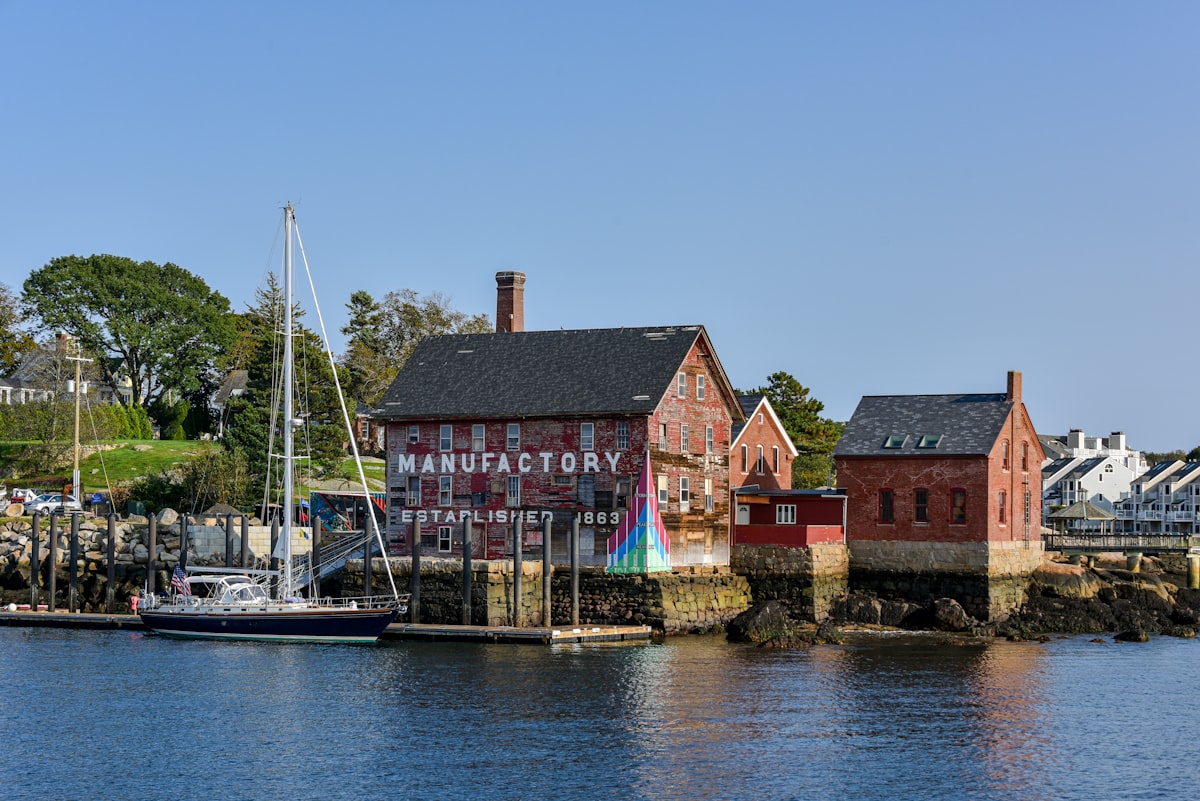

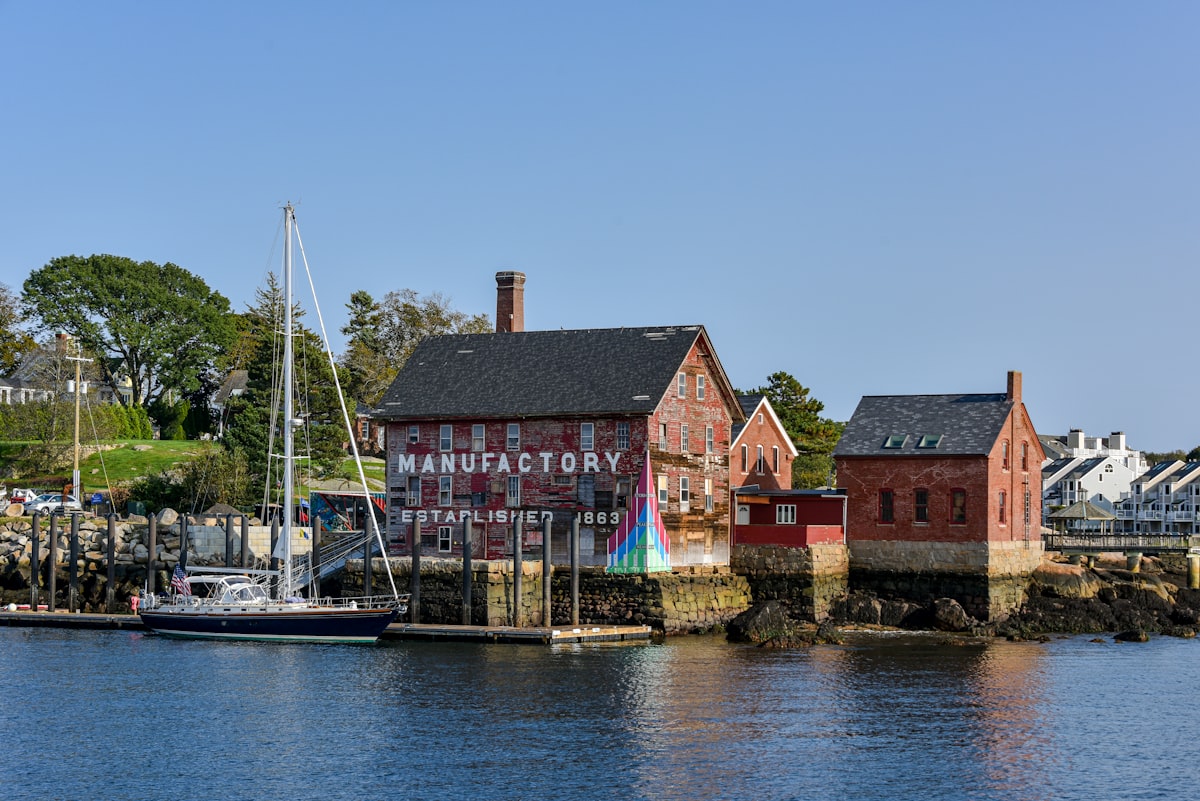
Gloucester sits on Cape Ann, a rocky peninsula jutting into the Atlantic Ocean 30 miles north of Boston. It's the oldest seaport in America, fishermen have been working these waters since 1623, and the town's identity is built on commercial fishing in a way that's visible in every dock, every restaurant, and every weathered boat in the harbor.
For centuries, Gloucester meant cod and haddock. The Grand Banks and the closer fishing grounds fed a commercial fleet that peaked in the mid-20th century and has been declining since. But in the last two decades, a different fish has put Gloucester back in the spotlight: bluefin tuna. The National Geographic show Wicked Tuna brought Gloucester's tuna fleet to a national audience, and the recreational charter fishery for giant bluefin has become one of the most exciting in the Atlantic.
Bluefin Tuna, The Modern Headliner
Giant bluefin tuna, fish of 500 to 1,000-plus pounds, feed in the waters off Cape Ann from June through November. They follow the bait (herring, mackerel, sand eels) across Stellwagen Bank, Jeffreys Ledge, and Tillies Bank, and the Gloucester fleet chases them.
The charter fishery targets both giants (over 73 inches) and school bluefin (27 to 47 inches, roughly 20 to 100 pounds). School bluefin are the more accessible option, they respond to chunking, live-baiting, and trolling, and they fight hard enough to test any angler. A 60-pound school bluefin on medium tackle, screaming runs, head-shaking power, and a fight that lasts 20 minutes, is one of the best offshore experiences on the East Coast.
Giant bluefin are another level entirely. These are among the largest bony fish in the ocean, and hooking one from a charter boat is a team effort, the angler fights the fish, the captain maneuvers the boat, and the mate manages the line. Fights last an hour or more. The commercial value of a single giant bluefin can exceed $10,000, which is why the Wicked Tuna fleet takes the pursuit so seriously.
The tuna grounds are 15 to 30 miles from Gloucester Harbor, a manageable run for a day trip.
Cod, Haddock, and Pollock, The Foundation
Gloucester's bottom-fishing heritage didn't go away, it just stopped making headlines. The nearshore and offshore grounds still hold Atlantic cod, haddock, pollock, and cusk on the rocky bottom and ledge structure.
Cod are the original Gloucester fish, the species that built the town. They hold on the rocky bottom in 80 to 200 feet of water, and jigging or bait-fishing on the wrecks and ledges produces fish year-round. The peak runs spring through fall.
Haddock are the more abundant cousin, sweeter meat, easier to catch, and available in good numbers on the same grounds. Pollock are the aggressive one, they hit hard, fight up from the deep, and are underrated as a gamefish.
Half-day and full-day bottom-fishing trips from Gloucester are affordable, family-friendly, and productive. They're the entry point for anglers who aren't ready for the tuna fleet.
Striped Bass, The Inshore Game
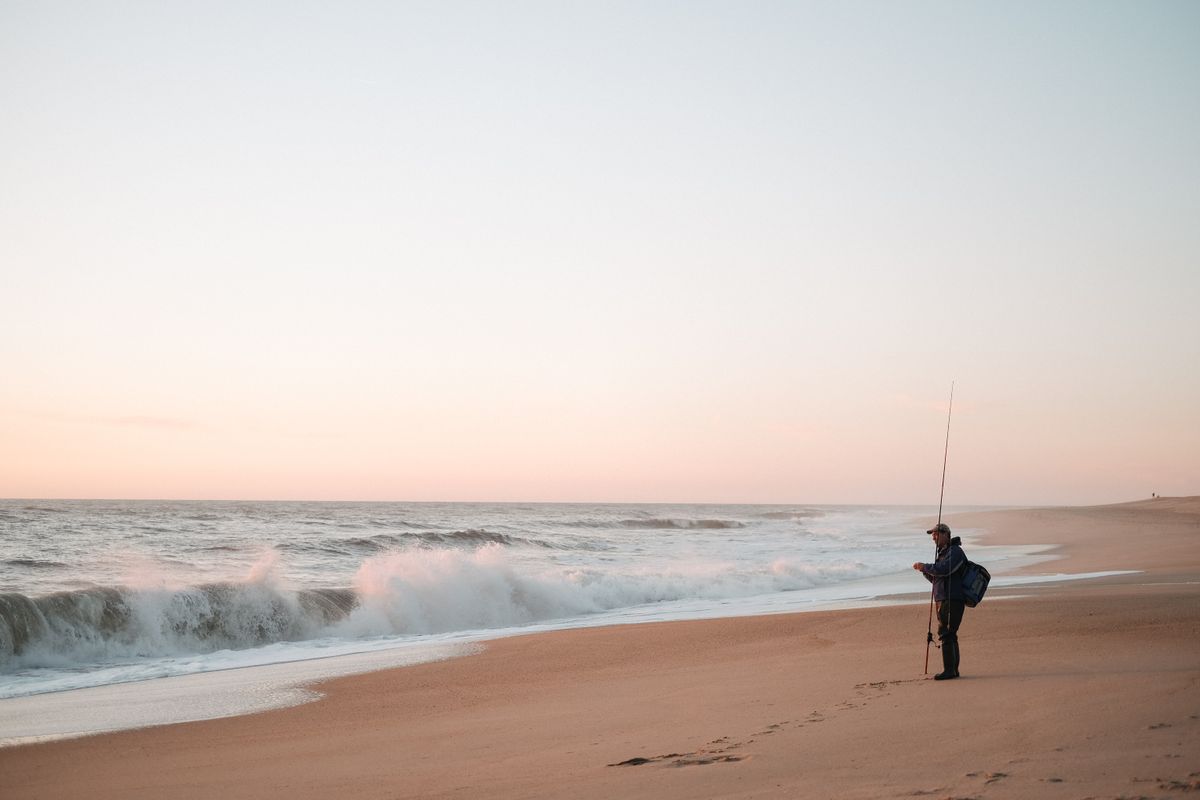
Cape Ann's rocky shoreline, estuaries, and harbors hold striped bass from May through October. The fish migrate north along the coast in spring and south in fall, and the rocky points, jetties, and river mouths around Gloucester create natural ambush points.
Fishing for stripers in Gloucester means working the rocky structure, casting plugs, soft plastics, and live eels along the boulders, jetties, and breakwaters. The Annisquam River connects Gloucester Harbor to Ipswich Bay and holds stripers in its channels and marshes. The Essex River estuary to the north is another productive spot.
Charter boats troll and live-line for stripers in Cape Ann's coves and around the offshore rocks. Fly-fishing guides pole flats boats along the calmer Essex and Plum Island marshes for sight-fishing opportunities.
Shark Fishing
The waters off Cape Ann hold blue sharks, mako sharks, and thresher sharks from June through October. Dedicated shark charters chum offshore and drift baits for fish that range from 100-pound blues to 400-pound makos. Mako sharks, fast, acrobatic, and powerful, are the premium target.
When to Go
- May–June: Stripers arrive, cod and haddock on the bottom, early tuna scouts
- July–August: Peak tuna season, giants and school bluefin, stripers on the rocks, sharks offshore
- September–October: Fall striper run, tuna still on the grounds, best all-around fishing
- November–March: Late-season tuna (if they stay), winter cod and haddock on the bottom