Erie Fishing: Steelhead Alley and the Tributary Runs That Transform Small Creeks Into World-Class Water
← All field notes

Erie · Pennsylvania

Erie Fishing: Steelhead Alley and the Tributary Runs That Transform Small Creeks Into World-Class Water

Erie sits on the Lake Erie shore where a dozen small tributaries become Steelhead Alley every fall and spring, the most accessible steelhead fishery in the eastern United States.

Colin Van Dyke

Colin Van Dyke

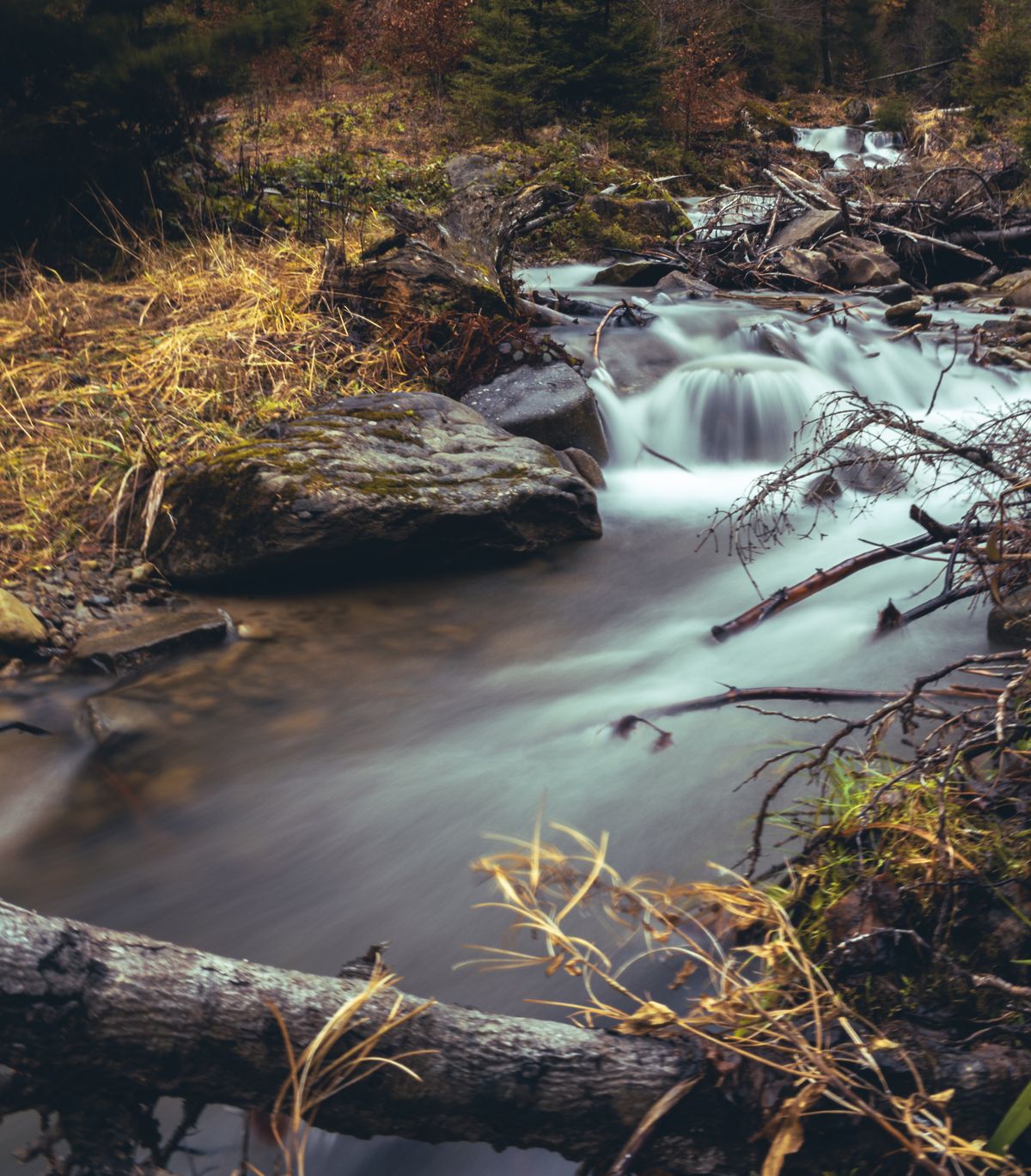
Erie, Pennsylvania sits on the southern shore of Lake Erie, where a dozen small tributary creeks drain the hillsides and empty into the lake. For most of the year, these creeks are unremarkable, narrow, shallow, tree-lined streams you could step across in places. But twice a year, when Lake Erie steelhead push upstream to spawn, these creeks transform into some of the best steelhead fishing east of the Rocky Mountains.

The stretch of Lake Erie shoreline from Cattaraugus Creek in New York west through Pennsylvania and into Ohio is collectively known as Steelhead Alley, and Erie, Pennsylvania is the heart of it.

The Fall Run, October Through December

The fall steelhead run begins in October when cooling water temperatures and autumn rains swell the tributaries. Lake Erie steelhead, chrome-bright fish of three to ten pounds, with occasional fish over 12, push upstream from the lake into the creek systems to stage and eventually spawn.

Elk Creek is the most famous and productive tributary. The lower sections from the mouth upstream to Folly's End offer the most consistent fishing, with steelhead holding in the pools, runs, and behind the ledges that define the stream's character. The creek is wadeable, accessible from public access points, and holds fish from October through April.

Walnut Creek runs through the Erie suburbs and receives strong steelhead runs despite its urban setting. Trout Run, Godfrey Run, and Crooked Creek are smaller but productive, and the lesser-known eastern creeks, Sixteen Mile, Twenty Mile, offer more solitude.

The fall technique is nymphing, drifting egg patterns, sucker spawn flies, and small nymphs through the pools and runs where steelhead hold. The takes are subtle, a hesitation in the drift, a slight pull, and then the fish is airborne, running downstream through the creek, and you're chasing it over slippery rocks. A fresh chrome steelhead in a small creek is one of the most exciting freshwater fights in the East.

The Spring Run, March Through May

The spring run is the spawning push. Steelhead that have been in the creeks through winter, plus fresh fish entering from the lake, move to the gravel bars and shallow riffles to spawn. The fish are less chrome than fall arrivals, they've colored up over the winter, but they're aggressive, and the spring run often produces the highest numbers.

March and April are the peak months. The technique shifts to a mix of nymphing, swing fishing with streamers, and sight-fishing to visible fish on the spawning beds (where regulations allow). The spring run coincides with the snow melting, and the combination of steelhead fishing and late-winter-into-spring weather makes for a raw, physical experience.

Lake Erie, Walleye, Perch, and Smallmouth

Beyond the tributaries, Lake Erie itself offers open-water fishing from Presque Isle Bay and the Erie harbor.

Walleye are the primary lake target. Erie sits on the eastern basin transition, deeper and colder than the western basin around Put-in-Bay, and the walleye here tend to run larger on average. Trolling crankbaits and worm harnesses along the eastern basin's thermocline produces fish from May through October.

Yellow perch fill the nearshore water in summer and fall, with the September-through-November perch bite drawing crowds of anglers fishing from boats and the Presque Isle piers.

Smallmouth bass hold on the rocky structure in Presque Isle Bay and along the lakefront. The bay's clear, shallow water allows sight-fishing for smallmouth in the spring.

Presque Isle Bay, The Sheltered Water

Presque Isle is a sandy peninsula curving into Lake Erie, creating a protected bay that holds a multispecies fishery separate from the open lake. Largemouth bass hold in the weedy bays. Steelhead stage in the bay before entering the creeks in fall. Perch are the summer constant.

The bay is accessible from shore, the Presque Isle State Park offers miles of fishing access from the peninsula's beaches and shoreline.

When to Go

  • October–December: Fall steelhead run in the tributaries, the main event
  • March–May: Spring steelhead, walleye opening on the lake, perch starting
  • June–August: Open-lake walleye trolling, smallmouth in Presque Isle Bay, perch
  • September: Transition, early steelhead in the creeks, perch peaking on the lake

Recommended gear

  • Shimano Stradic FL 3000

    Premium, steelhead in the tributaries, walleye on the lake

  • Okuma SST Spinning Rod 10'6" ML

    Mid-tier, long rod for float fishing steelhead

  • Ugly Stik GX2 Spinning Combo 7-foot Medium

    Entry level, walleye, perch, and steelhead

  • Raven FM Float

    Float fishing for steelhead in Elk and Walnut Creeks

  • Maxima Ultragreen Mono 8lb

    The Pennsylvania steelhead line, standard for all tributaries

  • Fenwick Elite Walleye Rod 6'6" ML

    Mid-tier, walleye jigging on the lake

  • Pautzke Balls O' Fire Salmon Eggs

    Drift under a float for steelhead, the classic PA trib bait

  • Panther Martin Spinner #4 Gold

    Stream steelhead and trout at Presque Isle

Frequently asked

Do you need a guide to fish for steelhead in Erie?

No. The Steelhead Alley tributaries are wadeable and reach fish from numerous public access points, so Elk, Walnut, and the smaller creeks are very doable on your own. First-timers who want to shortcut the learning curve on reading water and drifting egg patterns sometimes hire a walk-and-wade guide, but plenty of anglers fish the runs DIY. Fall and early winter, when fresh chrome pushes in on the rains, is the prime (and busiest) window.

What else can you catch around Erie besides steelhead?

Lake Erie off Erie, Pennsylvania is a top smallmouth-bass fishery and also produces walleye, yellow perch, and lake-run brown trout. Presque Isle Bay adds panfish, bass, and pike. But the steelhead run through the tributary creeks is what makes Erie famous.

What is Steelhead Alley?

Steelhead Alley is the stretch of Lake Erie shoreline from New York through Pennsylvania into Ohio where a dozen tributary creeks receive steelhead runs in fall and spring. Erie, PA is the heart of it, Elk Creek, Walnut Creek, and several smaller streams transform into world-class steelhead water.

When is the steelhead run in Erie?

The fall run peaks from October through December as steelhead push upstream from Lake Erie. The spring run peaks March through May during spawning. Both runs produce chrome-bright fish of three to ten pounds in the tributary creeks.

What is Elk Creek?

Elk Creek is the most famous and productive steelhead tributary in Erie. The lower sections from the mouth upstream to Folly's End offer the best fishing. It's wadeable, publicly accessible, and holds steelhead from October through April.

Can you fish Lake Erie from Erie, PA?

Yes, charter boats troll for walleye and perch on the open lake from May through November. Presque Isle Bay offers sheltered water for smallmouth bass, largemouth, and steelhead staging in fall. The Presque Isle piers provide shore access for perch.

Do you need a special license to fish Steelhead Alley?

Yes, fishing Lake Erie, Presque Isle Bay, and the tributaries requires a Pennsylvania fishing license plus a Lake Erie permit or Combination Trout/Lake Erie permit. The special permit covers the steelhead tributaries. Licenses can be purchased online at fishandboat.com.

More Pennsylvania field notes

Urban Fishing in Pittsburgh: Smallmouth Under 446 Bridges, Walleye Below the Dams, and Flatheads Over 60 Pounds in the Three Rivers

Pittsburgh, PA

Urban Fishing in Pittsburgh: Smallmouth Under 446 Bridges, Walleye Below the Dams, and Flatheads Over 60 Pounds in the Three Rivers

Pittsburgh sits at the confluence of three rivers, the Allegheny, Monongahela, and Ohio, creating one of the most productive urban river fisheries in America. Smallmouth bass hold under 446 bridges, walleye stack below the dams, and flathead catfish exceeding 60 pounds lurk in the deep holes. No boat required.

Urban Fishing in Philadelphia: Catfish in the Schuylkill, Trout in Wissahickon Creek, and Snakeheads in South Philly

Philadelphia, PA

Urban Fishing in Philadelphia: Catfish in the Schuylkill, Trout in Wissahickon Creek, and Snakeheads in South Philly

Philadelphia sits at the confluence of the Schuylkill and Delaware Rivers, two major waterways with over 40 fishable species between them. Add stocked trout in Wissahickon Creek, invasive snakeheads in FDR Park, and miles of riverfront trail access, and you have one of the best urban fisheries on the East Coast.

How to Fish Erie, Pennsylvania: A First-Timer's Guide to Steelhead, Walleye, and Perch

Erie, PA

How to Fish Erie, Pennsylvania: A First-Timer's Guide to Steelhead, Walleye, and Perch

What a beginner needs to fish Erie and Presque Isle on Lake Erie, the Pennsylvania license and Lake Erie permit, the famous fall and winter steelhead runs in the tributaries, walleye and yellow perch on the lake, smallmouth bass and panfish in Presque Isle Bay, winter ice fishing, and the gear that works.

Fly Fishing Pennsylvania's Limestone Spring Creeks: Where American Fly Fishing Was Born

State College, PA

Fly Fishing Pennsylvania's Limestone Spring Creeks: Where American Fly Fishing Was Born

Pennsylvania's limestone spring creeks aren't just good trout water, they're where American dry-fly fishing, terrestrial fishing, and catch-and-release were invented. Penns Creek, Spring Creek, the Letort, and a history that shaped every cast you make today.