Fish
Fish Fire
Fire Hike
Hike Bird
Bird

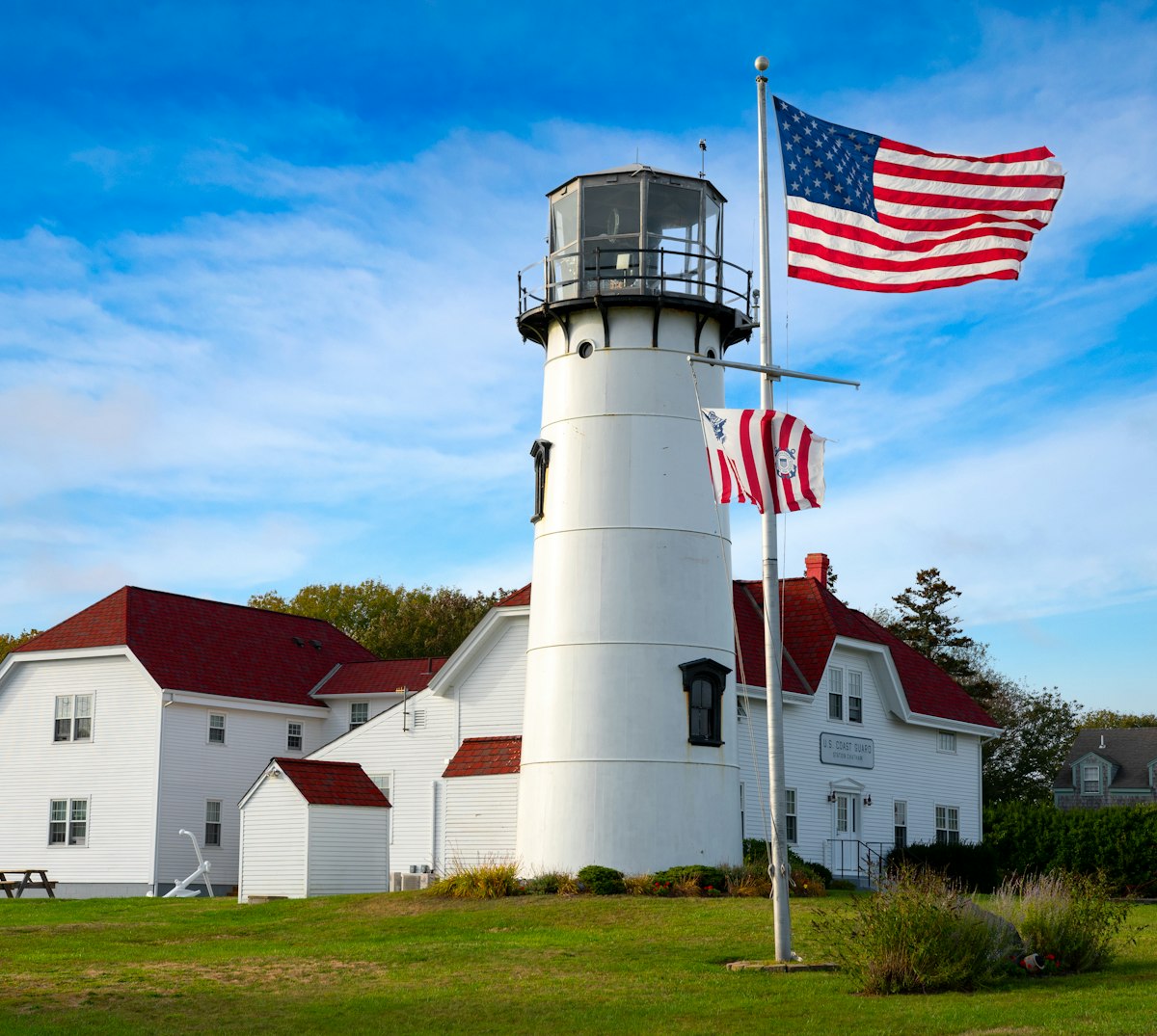

Cape Cod curls into the Atlantic Ocean like a flexed arm, separating Cape Cod Bay from Nantucket Sound and the open Atlantic. The peninsula creates three distinct fisheries that share geography but almost nothing else: the Cape Cod Canal, a narrow, current-swept ditch that holds enormous concentrations of striped bass; the Monomoy and Chatham flats, shallow sandbars where you sight-cast to stripers and bluefish in clear water; and the Stellwagen Bank grounds, deep offshore water holding bluefin tuna that can exceed 1,000 pounds.
All three are within an hour of each other on the Cape. It's one of the most varied saltwater fishing destinations on the East Coast.
The Cape Cod Canal, The Striper Highway
The Cape Cod Canal is a 7-mile man-made waterway connecting Cape Cod Bay to Buzzards Bay, and the tidal current that rips through it creates one of the most concentrated striped bass fisheries in the Northeast.
The canal's current pushes at 4 to 6 knots during peak tides, and the baitfish and gamefish that ride that current stack in predictable locations, along the riprap walls, in the eddies behind the bridge abutments, and at the mouths where the canal opens into the bays. Striped bass follow the migrating baitfish through the canal from May through October, with fish running 10 to 50 pounds.
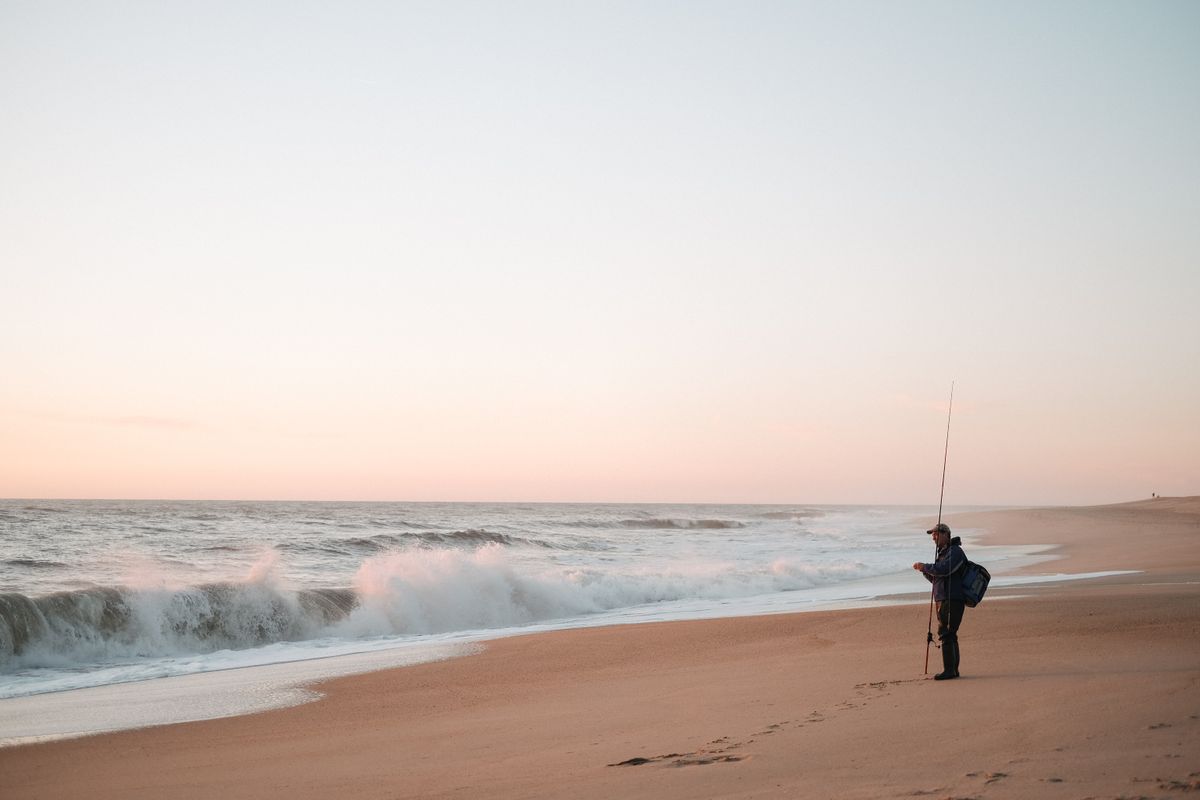
Canal fishing is a shore game, you stand on the riprap bank and cast into the current, letting your lure sweep downstream through the feeding zones. It's technical: the timing of the tide matters enormously, the presentation has to match the current speed, and the fish are in specific spots that change with the tide phase. Plugs, soft plastics, and eels are the go-to baits. Pre-dawn and the last hour of daylight are prime.
The Canal is free, public, and accessible for miles on both sides. On a good tide during the fall run, the banks are lined with anglers, it's the most democratic striper fishing in New England.
The Monomoy Flats, Sight Fishing the Outer Cape
Off the elbow of the Cape, the Monomoy Islands and the Chatham bars create a vast system of shallow sandbars, channels, and rip lines where striped bass, bluefish, and bonito feed in water that's sometimes knee-deep.
Sight-fishing for striped bass on the Monomoy flats is the premium Cape Cod experience. On calm, clear mornings, you pole a skiff across the sand flats and spot bass cruising in two to four feet of water, dark shapes moving across the bright sand. A fly rod or light spinning rod, a well-placed cast, and the take of a 30-inch striper in gin-clear water is a New England version of bonefishing.
Bluefish attack the flats in summer, aggressive, toothy, and willing to eat anything. Bonito and false albacore (albies) show up in September and October, small, fast, and addictive on light tackle or fly gear. The albies run is one of the defining fall fishing events on the Cape.
The Chatham charter fleet specializes in these flats, running light boats designed for shallow water and sight-fishing.
Stellwagen Bank, Bluefin Tuna
Stellwagen Bank is a submerged plateau north of the Cape, between Provincetown and Gloucester, that rises from the deep Atlantic floor to create a feeding ground for whales, dolphins, and, critically for anglers, bluefin tuna.
Giant bluefin tuna, fish of 500 to 1,000-plus pounds, feed on the bank from June through November, chasing herring, mackerel, and sand eels across the shallow structure. The Cape Cod bluefin fishery has become one of the most important in the world, with catch-and-release and commercial tag fisheries operating side by side.
Charter boats run from Provincetown, Barnstable, and Rock Harbor to the tuna grounds, trolling, chunking, and live-baiting for fish that are among the largest and most powerful in the Atlantic. Hooking a giant bluefin on rod and reel, a fish that can tow a 30-foot boat, is a bucket-list experience.
School-sized bluefin (20 to 80 pounds) also run the Cape Cod waters and are more accessible for anglers on lighter tackle.
The Bays and Sounds, The Everyday Fishing
Beyond the headline fisheries, Cape Cod's bays and sounds hold productive everyday fishing.
Cape Cod Bay holds stripers along the shoreline and over the sand flats from spring through fall. Nantucket Sound between the Cape and the islands holds fluke (summer flounder), sea bass, and scup on the bottom, with stripers and bluefish along the rips and shoals.
Fluke are the summer bottom-fishing target, drifting with bucktail jigs over the sandy areas produces doormat flounder throughout the sound.
When to Go
- May–June: Spring striper migration, Canal bite starting, early fluke in the sound
- July–August: Canal in full swing, flats fishing at Monomoy, bluefin tuna on Stellwagen, fluke
- September–October: Fall run, Canal, flats, and tuna all peaking, albies on the outer Cape, the best month
- November: Late-season Canal stripers, giant bluefin still on the bank, the quiet end of the season