Fish
Fish Fire
Fire Hike
Hike Bird
Bird

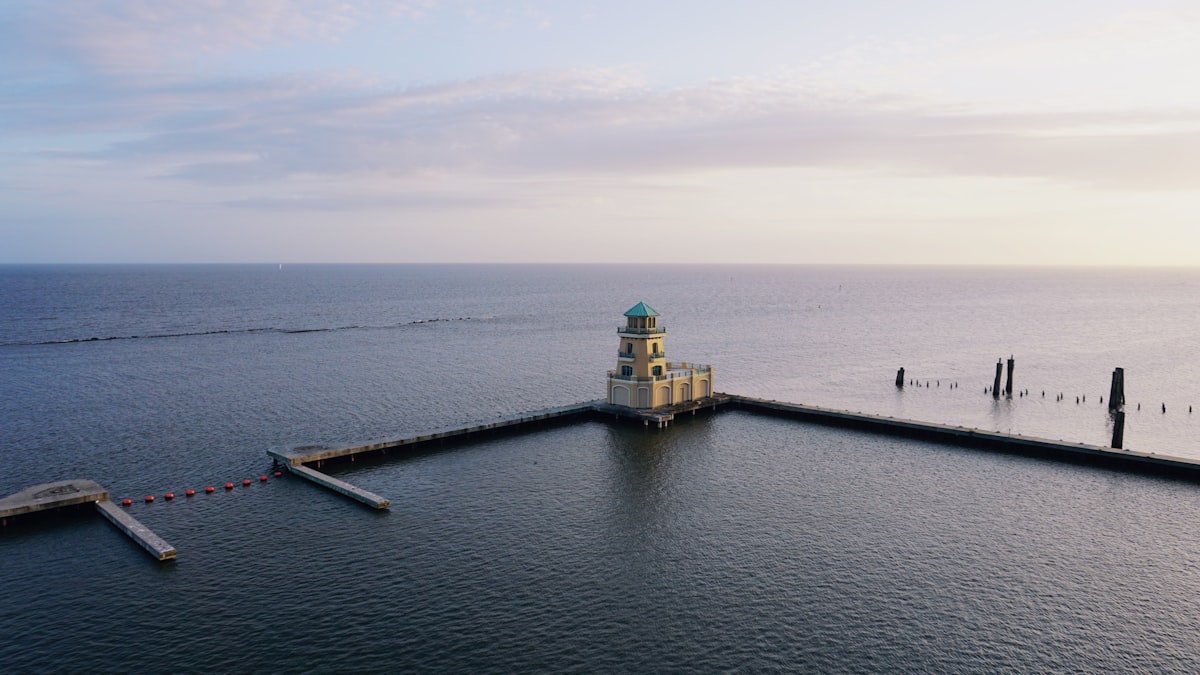

Biloxi sits on the Mississippi Gulf Coast between the Mississippi Sound and the open Gulf. The local fishing, the Sound, the Back Bay, the barrier islands along the coast, is solid year-round inshore water. But what puts Biloxi on the map is a destination 30 miles offshore that most people have never heard of: the Chandeleur Islands.
The Chandeleurs are a chain of uninhabited barrier islands stretching 45 miles off the coast of Louisiana, accessible by charter from Biloxi. They offer 30,000 acres of wadeable grass flats, pristine surf, and fish populations that see almost no pressure. A multi-day trip to the Chandeleurs is unlike anything else in Gulf Coast fishing.
The Chandeleur Islands, The Destination
The Chandeleurs sit in the no-man's-land between Mississippi and Louisiana, technically Louisiana water, but most easily accessed from Biloxi's Point Cadet Marina. The run takes 60 to 90 minutes depending on conditions, and most trips are two- or three-day affairs, with anglers sleeping on mothership yachts anchored in the lee of the islands.
The islands are uninhabited, no roads, no buildings, no development. What they have is miles of white-sand beach facing the Gulf, with shallow grass flats stretching behind them into the sound. The water over these flats is remarkably clear for the Gulf of Mexico, on good days, you can see fish 40 yards away.
Speckled trout are the Chandeleur headliner. The grass flats and cuts between the islands hold trophy specks, fish over five pounds are common, and seven- to eight-pounders are caught every season. Wade fishing the cuts and bayous during a moving tide, casting soft plastics or topwater plugs, produces speckled trout action that's hard to match anywhere in the Gulf.
Redfish cruise the flats in schools, pushing wakes through the shin-deep water. Sight-casting to redfish on the Chandeleur flats is as close to bonefishing as the Gulf Coast gets, clear water, visible fish, and one shot at a clean cast. The reds average three to seven pounds, with bull reds over 27 inches mixed in during fall.
Cobia migrate past the islands in spring and fall. Jack crevalle run the surf. Pompano hold along the beaches. And the near-shore Gulf structure holds red snapper, grouper, and king mackerel for anglers who want to mix offshore bottom fishing with the flats experience.
Mississippi Sound, The Local Water
Back home, the Mississippi Sound provides year-round inshore fishing. The Sound is a protected body of water between the mainland and the chain of barrier islands (Ship Island, Horn Island, Cat Island, Petit Bois) that shield it from the open Gulf.
Redfish and speckled trout hold along the oyster reefs, grass flats, and channel edges throughout the Sound. The fishing is similar to the rest of the northern Gulf, live shrimp under a cork, soft-plastic jigs, and gold spoons along the shorelines and structure.
Sheepshead stack around the bridge pilings, piers, and rock jetties from December through March, the winter staple. Flounder stage along the passes between the barrier islands during their fall migration.
The Biloxi Bay and Back Bay systems, accessible from small-boat launches around town, hold year-round populations of trout, reds, and flounder in sheltered water.
The Barrier Islands, Day Trip Access
Mississippi's barrier islands, Ship Island, Horn Island, Cat Island, are accessible as day trips from Biloxi and offer a middle ground between the Sound and the Chandeleurs. The islands have clearer water than the mainland shoreline, less boat traffic, and productive grass flats and surf fishing.
Ship Island is the most accessible, a passenger ferry runs from Biloxi, and the island's Gulf-side beach produces pompano, whiting, and redfish in the surf.
Offshore, Near and Deep
Biloxi's offshore fleet runs to the same Gulf structure as Gulf Shores and Orange Beach to the east. Red snapper during federal season, amberjack, grouper, triggerfish, and king mackerel hold on natural and artificial reefs.
The run to deep-water structure is longer from Biloxi than from some competing ports, but the offshore fishing is productive, and the fleet is established.
When to Go
- Spring (March–May): Trout and reds in the Sound, cobia migrating past the Chandeleurs, sheepshead finishing
- Summer (June–August): Peak Chandeleur trips, red snapper offshore, jack crevalle and trout on the flats
- Fall (September–November): Bull reds, flounder staging, Chandeleur trout at their best, the prime season
- Winter (December–February): Sheepshead on structure, deep-hole trout in the bays, offshore bottom fishing