Fish
Fish Fire
Fire Hike
Hike Bird
Bird


Among steelhead anglers, the Dean River occupies almost mythic ground. This remote river on British Columbia's central coast produces what many consider the hardest-fighting, most acrobatic steelhead on the planet, chrome-bright fish, fresh from the Pacific, that scream line off a reel and cartwheel across the surface with a violence that has to be felt to be believed. The Dean is also famously hard to get to and, in part, access-limited by lottery, which is exactly why it has stayed so good. This is a bucket-list, fly-only, two-handed-rod destination, not a casual outing, and this guide explains the fish, the famously strong strain, how access works, and what it takes to swing a fly on the river of every steelheader's dreams.
For the wider picture, the region, the lodges, and trip planning, read our complete Dean River fishing guide. For more BC fishing, see how to fish the Skeena and Terrace and Campbell River.
The Gorge That Made the Fish
To understand the Dean, you have to understand its gorge. Not much more than a mile and a half up from the ocean, the river funnels through a narrow, fearsome canyon so powerful that migrating fish cannot pass it until the river drops in mid-summer, and even then it's a brutal test. Over millennia, only the strongest, most athletic fish have made it through to spawn, and the result is a genetically distinct strain of steelhead and Chinook salmon that are, pound for pound, almost unstoppable. Combine that with a lodge zone within twenty miles of the salt, where fish are still ocean-fresh and loaded with sea-lice, and you get the Dean's legendary reputation: the hottest, strongest, wildest steelhead a fly angler can hook.
Dean River Steelhead in British ColumbiaWhat You'll Catch
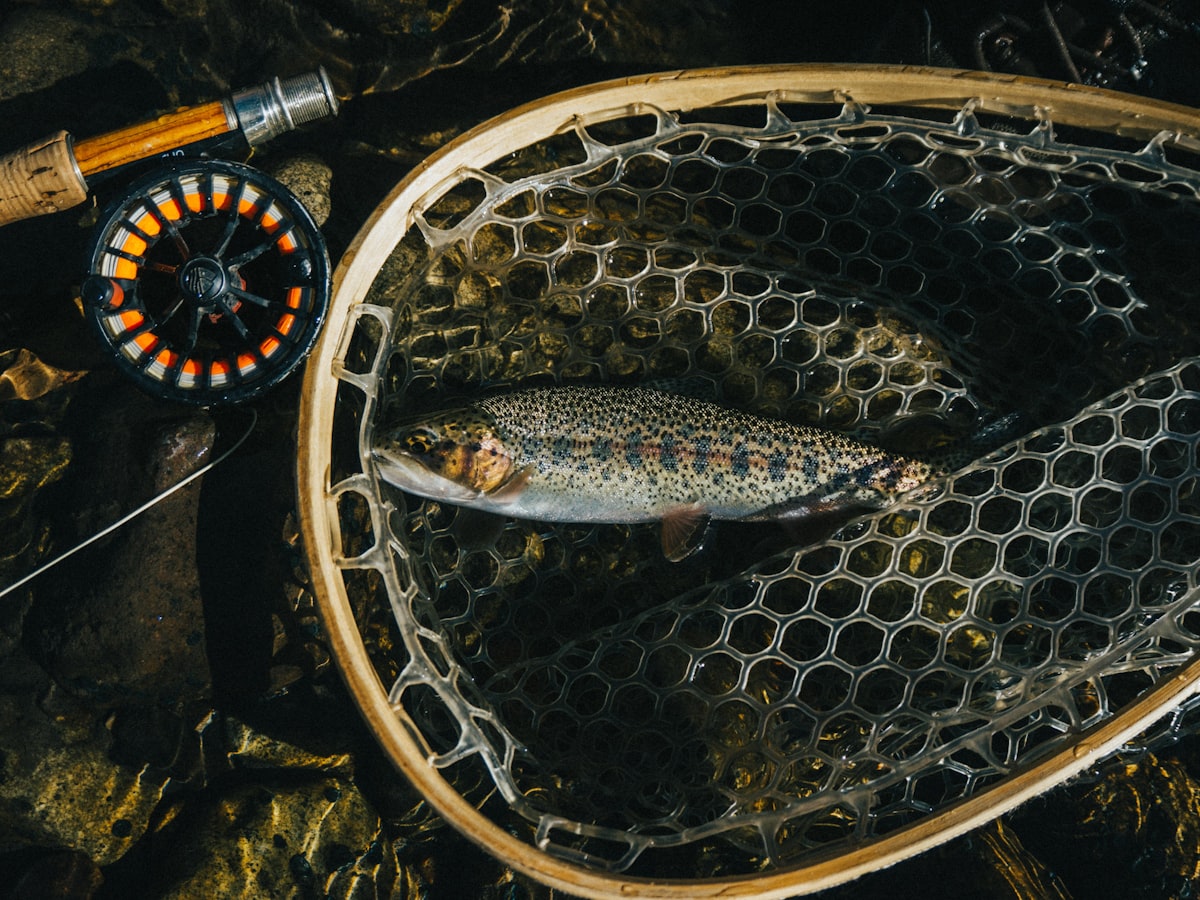
- Summer-run steelhead, the reason the Dean is famous: wild, chrome, and unbelievably powerful, running the river from late June through the fall.
- Chinook (king) salmon, big, wild, and equally strong, the target of the early season.
- Coho and pink salmon, additional Pacific salmon that run through in season.
- Cutthroat trout and Dolly Varden, the resident bonus fish that eagerly take flies (and steelhead eggs) all season.
How Access Works: Lottery, Lodges, and Floats
Here's the part that trips up first-timers. In British Columbia, rivers are technically open to anyone with a licence, so on the Dean, exclusivity comes from access and regulation, not private ownership. There is no road; you reach the river only by floatplane, helicopter, or boat, which keeps out day-trippers. There are three main ways to fish it:
- The Dean River Draw (the lottery). The Dean's main section is Classified Water, and the annual Dean River draw is a lottery specifically for non-resident alien (non-Canadian) anglers to win the right to buy licences and fish the Class I Main Section without a guide. B.C. residents and Canadian non-residents do not need to enter the draw. If you're a non-Canadian planning a DIY trip, the lottery is your route, apply early and know the rules.
- Lodges and fixed camps. Operations like the well-known lodges near the river mouth sell all-inclusive weeks with guides, boats, and access, the simplest (if premium) way to fish the Dean.
- Headwaters float trips. Some anglers get dropped in the upper river and raft downstream over several days, camping and fishing their way to the coast.
Whatever the route, remember the golden BC rule: there is no retention of wild steelhead in British Columbia. Every wild steelhead is released. You'll need a B.C. freshwater fishing licence plus the Classified Waters licence for the Dean, and, if applicable, your draw-won licence, sort this out well in advance.
Steelhead: The Main Event
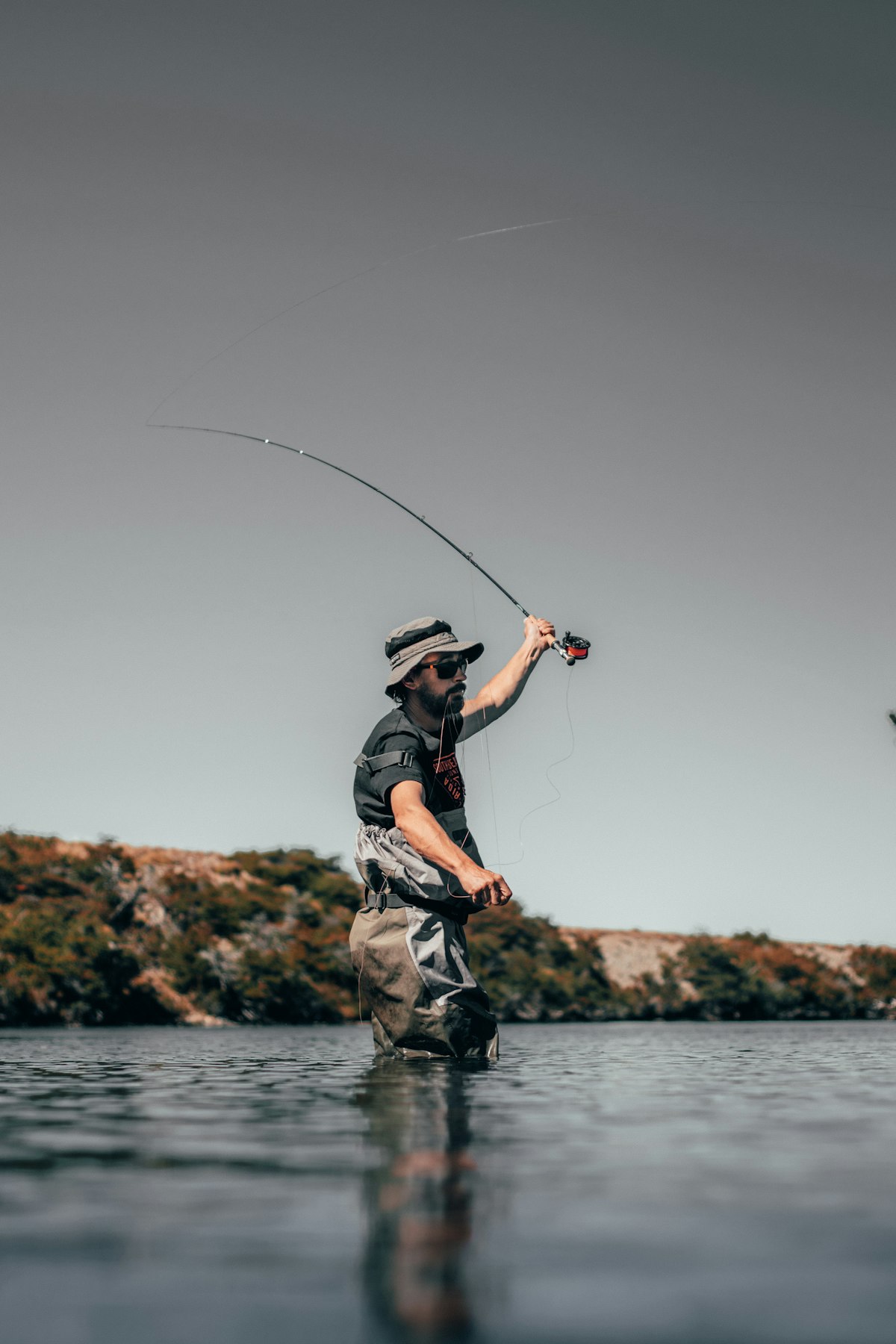
Fishing the Dean means swinging flies on a two-handed (Spey) rod, the classic, rhythmic, deeply addictive method of steelheading. You cast across and slightly downstream, let the fly swing on a tight line through the "bucket" where a steelhead may hold, take a step downstream, and cast again, methodically covering the run. The take is the whole drama: sometimes a subtle pluck, sometimes a savage grab that nearly rips the rod from your hands, and then a fresh Dean steelhead is airborne, running into your backing before you've registered what happened.
Early and in higher water, anglers fish wet flies on sink-tips to get down to the fish; as the river drops and warms, the Dean becomes famous for waking dry flies and skated patterns on the surface, a steelhead smashing a waking fly on top is the pinnacle of the sport. Classic patterns run from bright intruders and leeches to muddlers and skaters. It's demanding fishing that rewards patience and good casting, which is why so many Dean anglers hire a guide or come with real Spey experience.
This Is the Dean | Steelhead Fly Fishing in British ColumbiaChinook Salmon: The Early-Season Bruisers
Before the steelhead peak, the Dean's early season (June into early July) focuses on wild Chinook salmon, the same genetically supercharged strain that had to power through the gorge, meaning these are some of the strongest king salmon anywhere. They're fished on heavier two-handers with sink-tips and big flies, and hooking one is a battle of attrition against a fish that simply will not quit. For anglers who want raw power and big fish, the Chinook window is a spectacular way to start a Dean trip, often overlapping with the first fresh steelhead of the year.
Cutthroat, Dollies, and the Supporting Cast
When you want a break from the intensity of swinging for steelhead, the Dean's cutthroat trout and Dolly Varden are a delight. These resident fish hold behind salmon, feeding on drifting eggs and nymphs, and they'll readily take a bead, an egg pattern, or a small streamer on a single-hand rod. They're a fun, low-pressure way to bend a rod, teach a less-experienced companion, or simply enjoy the river between the big fish. Coho and pink salmon also run through in their seasons, adding to the variety. But make no mistake, on the Dean, everything else is a sideshow to the steelhead.
Spey Casting: The Dean Is a Two-Hander River
If you've never picked up a Spey rod, know that the Dean is a two-handed-rod river, and getting comfortable with Spey casting before you go will transform your trip. Two-handed rods (typically 12.5 to 14 feet, 7- to 8-weight for steelhead, heavier for Chinook) let you cover the big runs, manage the swing, and cast all day without wearing out your shoulder, and they don't require a back-cast, which matters on a brushy river. Learn the basic single- and double-Spey and snap-T casts before your trip (a lesson at home or a day with a casting instructor is money well spent), and you'll spend your Dean days fishing effectively instead of fighting your tackle. Even so, expect a learning curve, and lean on your guide, who can put you in the right water and fine-tune your swing.
The Setting: Flying the Dean Channel
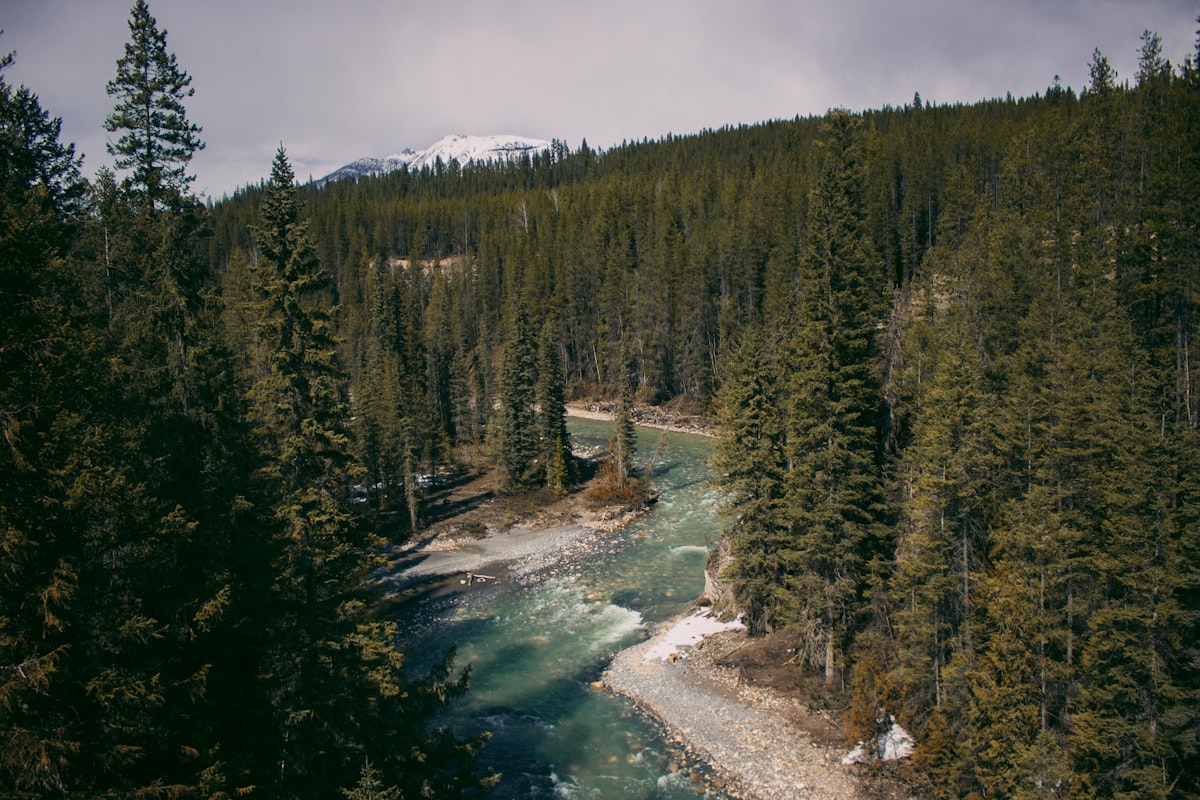
Half the magic of the Dean is simply being there. The flight in, a floatplane winding beneath the clouds along the Dean Channel, a deep coastal fjord walled by snow-streaked peaks and hanging waterfalls, or crossing the mountains into the valley, is one of the great arrivals in fishing, and it sets the tone for everything that follows. The river itself runs jade-green and cold through temperate rainforest, with eagles overhead, seals and sea lions at the estuary, and grizzlies working the banks for salmon. There is no cell signal, no road noise, no crowd, just the river, the fish, and the wild coast. For many anglers, the Dean's remoteness and beauty are as memorable as its steelhead, and the two are inseparable: the isolation that makes the journey hard is the same isolation that has kept the fishing sublime.
When to Go
The Dean's season is short and precise:
- June (into early July): The gorge opens as flows drop; wild Chinook salmon are the early target, with the first fresh steelhead beginning to arrive. Big, powerful fish and fewer crowds.
- July: Prime steelhead as fresh, sea-liced fish pour in, arguably the peak of the season, with high water giving way to swingable conditions.
- August: Peak dry-line and waking-fly steelhead as the river settles and clears, for many, the best surface fishing of the year and the quintessential Dean experience.
- September into fall: Steelhead continue for later-season trips where operations run; cooler, quieter, and beautiful.
Gear: What to Bring
- Steelhead: A 12.5- to 13.5-foot 7- or 8-weight Spey rod with floating and interchangeable sink-tip lines (a Skagit or Scandi setup), a large-arbor reel with a strong drag and plenty of backing, and a box of intruders, leeches, muddlers, and skated dry patterns.
- Chinook: A heavier 8- or 9-weight two-hander with heavier sink-tips and larger flies.
- Trout: A single-hand 5- or 6-weight for cutthroat and Dollies, with beads, egg patterns, and small streamers.
- Clothing: Serious coastal-BC rain gear (it rains, hard), breathable waders with warm layers underneath, wading boots with good grip and a wading staff, polarized sunglasses, and bear spray, this is grizzly country.
Remoteness, Bears, and Reality
The Dean is genuinely wild. You're on a remote coastal river, hours by air from a town, in the heart of grizzly and black bear country where the bears are drawn to the same salmon you are. Carry bear spray, fish with awareness, store food and fish properly, and respect that help is far away. Weather can pin down a floatplane, so build a buffer day into your travel and bring patience. And set expectations: even on the Dean, steelhead are "the fish of a thousand casts", you may swing all day for one grab. But that one grab, from that one impossibly strong fish, is why anglers spend years dreaming of this river.
Planning a Dean River Trip
A Dean trip takes real planning, so start early. If you're a non-Canadian hoping to fish the main section without a guide, the Dean River draw has a firm application window months ahead of the season, mark the dates and apply on time, because you can't do it last-minute. If you're going the lodge route, the best operations book a year or more in advance, so reserve as far ahead as you can. Getting there generally means flying to Vancouver, then on toward Bella Coola or a floatplane base, followed by the final air leg to the river; your lodge or outfitter will coordinate the logistics. Always build buffer days into your itinerary, coastal weather routinely delays floatplanes, and you don't want a fogged-in day to cost you your trip home. Sort your B.C. licence and Classified Waters stamp in advance, arrange travel and evacuation insurance for a remote destination, and pack light in soft bags for the weight-limited bush flight. Do the homework once and you can spend the trip itself fully present on one of the most beautiful rivers on Earth.
Is the Dean Right for You?
Be honest about the fit, because the Dean rewards the prepared and humbles the casual. It is for the angler who has fallen for steelhead, who is comfortable (or eager to get comfortable) with a two-handed rod, and who understands that the reward, one screaming, cartwheeling, ocean-fresh fish, may come after a full day of fishless swinging. Patience, fitness for wading big water, and a tolerance for rain and remoteness are prerequisites. It is less ideal as a first-ever fly-fishing trip or for anyone who needs constant action to stay happy; there are far easier places to bend a rod. But if the idea of standing thigh-deep in a wild coastal river at dawn, methodically swinging a fly and waiting for the hardest-pulling fish in fresh water to change your life, is what you daydream about, then the Dean is the trip you should be saving for. Few anglers who make it ever stop talking about it.
A Word on Conservation
Wild steelhead across the Pacific Northwest are in trouble, and the Dean is one of the last great strongholds, a responsibility every angler who fishes it shares. British Columbia allows no retention of wild steelhead: every one is released, and you should do it right, fish barbless, keep the fish in the water, minimize handling and air exposure, and revive it fully facing into the current before it swims off. Respect the draw system and the classified-water rules that protect the fishery from overcrowding, follow all catch-and-release and gear regulations, clean your gear between watersheds to prevent the spread of invasives and disease, and pack out everything. The Dean's magic depends entirely on keeping its wild fish wild. Fish it with reverence.