Fish
Fish Fire
Fire Hike
Hike Bird
Bird

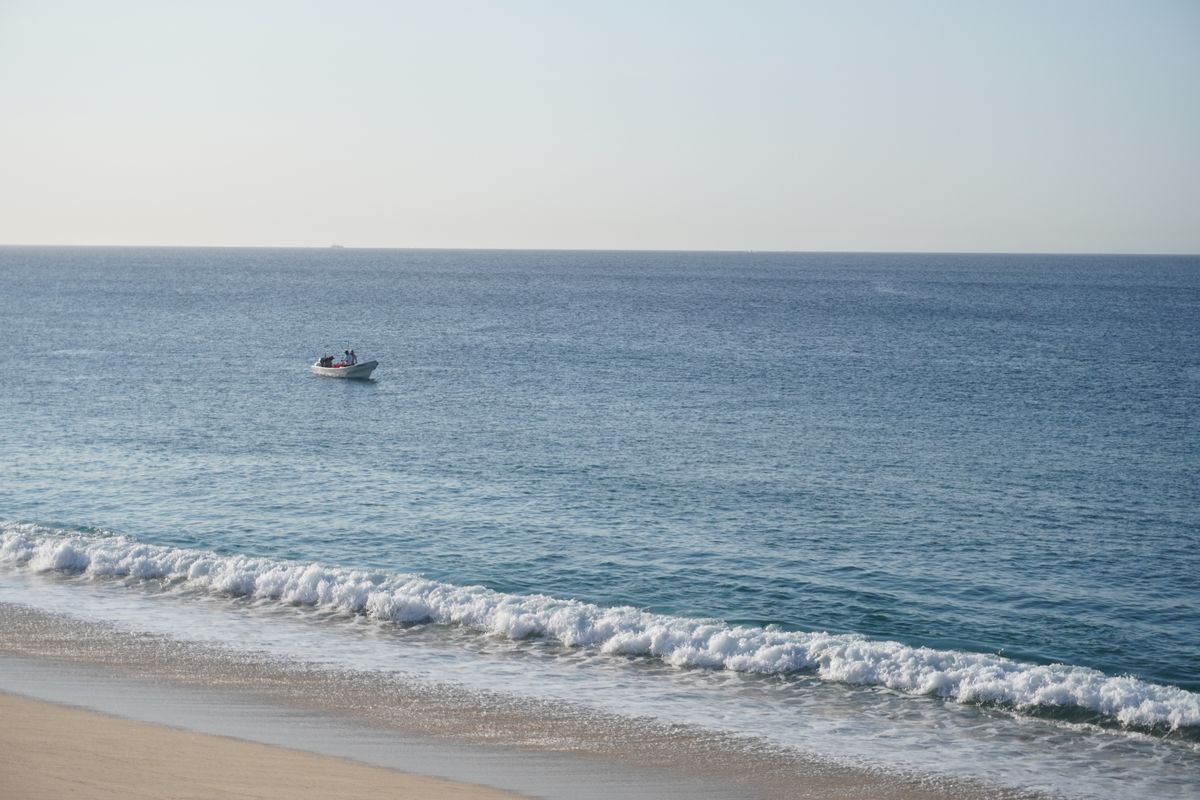
Cabo San Lucas sits at the very tip of the Baja California Peninsula, where the Pacific Ocean meets the Sea of Cortez. That collision of cold Pacific current and warm Cortez water creates one of the most productive fisheries on earth. Marlin, blue, black, and striped, cruise within miles of shore. Yellowfin tuna school over underwater seamounts. Dorado (mahi-mahi) explode on surface baits in summer. Roosterfish patrol the sandy beaches in some of the most visual, exciting inshore fishing anywhere. There's a reason Cabo is called the Marlin Capital of the World, over 12,000 game fish are caught here annually, and the Bisbee's Black & Blue is the richest fishing tournament on the planet.
For beginners, Cabo is one of the easiest places in the world to get into sport fishing. The charter infrastructure is mature, hundreds of boats operate out of the marina daily, everything is included, and the crews are experienced at putting first-timers on fish. You don't need to bring any gear, know any techniques, or speak Spanish. You show up at the marina, get on the boat, and the captain and mate do the rest.
This guide covers the practical how-to, what to expect, which type of charter to book, what species you'll target by season, and the logistics of fishing in Mexico.
The Two Types of Charters: Panga vs. Sportfisher
The single most important decision you'll make is what type of boat to fish from. Cabo offers two fundamentally different charter experiences.
Panga
A panga is an open fiberglass skiff, typically 22 to 26 feet, with an outboard motor, a center console, and no cabin. It's the working boat of Baja. Pangas are nimble, fast, and captained by local fishermen who've fished these waters their entire lives. They're the affordable option and the best choice for beginners who want an authentic Baja fishing experience.
What you get: Captain, mate, all tackle, live bait (typically 5 on a half-day, 10 on a full day), ice, water, and your Mexican fishing license. No cabin, no bathroom, no shade (bring a hat and sunscreen).
Cost: Half-day (4 to 5 hours): $200 to $350 for the boat (1 to 3 anglers). Full-day (6 to 8 hours): $300 to $500. Split between 2 to 3 people, this is remarkably affordable fishing.
Best for: Inshore fishing (roosterfish, snapper, sierra mackerel, jack crevalle), light offshore (dorado, small tuna), and anyone on a budget. Pangas can reach the inner banks and nearshore structure where the inshore species live.
Sportfisher (Cruiser)
A sportfisher is a 28- to 45-foot cabin cruiser with a proper helm, fighting chair, outriggers, and serious electronics. These boats run to the offshore banks, Gordo Banks, Golden Gate Bank, the 1000 Fathom Curve, where the big marlin and tuna live.
What you get: Captain, mate, all tackle (heavy trolling gear, light tackle for variety), live bait, lures, ice, water, lunch on full-day trips, cabin with bathroom, shade, and your fishing license.
Cost: Half-day: $500 to $800 for the boat (up to 6 anglers). Full-day: $800 to $1,500. Tournament-class boats (40+ feet): $1,200 to $2,300 per day. Split between 4 to 6 people, even the big boats are reasonable per person.
Best for: Offshore fishing (marlin, yellowfin tuna, wahoo, dorado), anyone who wants a comfortable ride, and anglers specifically targeting billfish.
Cabo San Lucas, Marlin and Dorado aboard RedRum ChartersSpecies by Season
Cabo fishes well year-round, there is no bad month. But the species mix changes significantly with the seasons.
Summer and Fall (June through November), Peak Season
This is the main event. Water temperatures in the Sea of Cortez climb into the 80s, and the warm-water species flood in.
Blue and black marlin, the biggest game fish in the ocean, arrive in June and peak from August through October. Blues average 200 to 400 pounds, with fish over 500 possible. Black marlin are rarer but can exceed 600 pounds. These are caught by trolling large lures and rigged bait at 7 to 9 knots over the offshore banks. When a marlin hits a trolling spread, the reel screams, the rod bends double, and you're in for a 30-minute to 2-hour battle. The captain and mate will coach you through every second of it.
Yellowfin tuna are abundant from May through December. Fish in the 20- to 60-pound range are common; 100-pounders are caught every season; and fish over 200 pounds make Cabo one of the top yellowfin destinations in the world. Tuna are caught trolling, chunking (chumming with cut bait), and live-baiting over the banks. The fight is pure power, tuna don't jump, they just pull.
Dorado (mahi-mahi) peak from June through October. These are the most colorful fish in the ocean, electric blue, green, and gold, and they're acrobatic fighters that leap repeatedly when hooked. Dorado are caught trolling, casting to floating debris (they school under anything that floats), and live-baiting. They're the best-eating fish in Cabo and the most beginner-friendly offshore species.
Wahoo appear from September through November. Fast, toothy, and hard to hook, wahoo hit trolled lures at speeds up to 60 mph. They're less common than tuna or dorado but highly prized for their fight and their white, flaky meat.
Yellowfin Tuna Jigging & Striped Marlin Action in CaboWinter and Spring (December through May), Striped Marlin Season
The Sea of Cortez cools into the low 70s, which pushes the warm-water species offshore, but it brings in massive schools of striped marlin, arguably the most exciting fish to catch on light tackle.
Striped marlin peak from December through March. They're smaller than blues (100 to 200 pounds typical) but more acrobatic, they jump, tailwalk, and greyhound across the surface. Stripers are often found feeding on bait balls near the surface, which means you can sight-cast to them with fly rods or light spinning gear. Some of the most visual, exciting fishing in the world.
Yellowfin tuna remain available through December, then taper off until May.
Roosterfish are available year-round but peak in the warmer months (May through October). These inshore fighters, identified by the dramatic dorsal fin "rooster comb", are caught from pangas on the sandy beaches near San Jose del Cabo. Sight-casting to roosterfish in the surf is one of Baja's signature fishing experiences.
The Slow Months
March and April are the quietest for offshore fishing, the winter species are tapering off and the summer species haven't arrived yet. But inshore fishing (roosterfish, snapper, jack crevalle, sierra mackerel) remains productive year-round, and there are always fish to be caught.
What to Expect on Your Charter
Before the Trip
Most charters depart from the Cabo San Lucas Marina between 6:00 and 7:00 AM. The captain meets you at the dock, the mate loads bait and ice, and you're underway within minutes. The run to the fishing grounds takes 20 minutes (inshore panga) to 1 to 2 hours (offshore banks).
What to bring: Sunscreen (SPF 50+, the Baja sun is brutal), a hat with a neck flap, polarized sunglasses, a long-sleeve moisture-wicking shirt, comfortable shorts, non-marking shoes or sandals with grip, a light jacket for the morning run, cash for the tip, and Dramamine or Bonine if you're prone to seasickness (take it the night before AND the morning of).
What NOT to bring: Bananas (superstition, but the crews take it seriously), expensive electronics you can't afford to lose to saltwater spray, dark-soled shoes that mark the boat deck.
During the Trip
Trolling: The most common offshore technique. The mate deploys 4 to 6 lines with lures or rigged bait behind the boat while the captain drives a pattern over the banks. When a fish hits, the mate grabs the rod, the captain slows the boat, and the mate hands you the rod. The mate will tell you exactly what to do: "Reel! Don't stop reeling! Keep the tip up!" For marlin, the fight can last 30 minutes to 2 hours. For dorado and tuna, 10 to 30 minutes.
Live-baiting: The mate hooks a live bait (sardine, mackerel, or caballito) on a circle hook and deploys it on a lighter rod. This is often done alongside trolling for variety. Live bait catches everything, marlin, tuna, dorado, roosterfish, and wahoo all eat live bait.
Fighting the fish: The mate will position you in the fighting chair (on sportfishers) or brace you against the gunwale (on pangas). Big fish require teamwork, the captain maneuvers the boat to keep the angle right, the mate coaches your technique, and you do the cranking. Your arms, back, and legs will be sore the next day. It's worth it.
Monster Marlin & Dorado Fishing Cabo San LucasAfter the Trip
The mate cleans your fish at the dock (unless you released everything). You can take your fillets to several restaurants near the marina that will cook your catch for a fee, typically $10 to $20 per plate. Eating dorado or yellowfin tuna that you caught an hour earlier, prepared ceviche-style or grilled, is one of the great Cabo experiences.
Marlin: Most marlin are released in Cabo, catch and release is the norm for billfish, and the charter fleet strongly encourages it. If you catch a tournament-sized fish and want to keep it (for a mount), discuss it with the captain beforehand.
Tipping
Tipping is a significant part of the crew's income and is expected. The standard in Cabo:
Good day (caught fish): 15 to 20% of the charter cost, split between captain and mate. On a $1,000 charter with a great day, $150 to $200 is appropriate.
Slow day (no fish): 10 to 15% is still expected, the crew worked hard regardless of the outcome.
Exceptional day (marlin released, limits caught): 20%+ is appreciated. Cash in US dollars is preferred.
Mexican Fishing License
A Mexican fishing license is required for everyone on a fishing boat in Mexican waters, even if you're just watching and not fishing. Most charter operators include the license in the charter price (confirm when booking). If you need to buy one separately, they're available at the marina or online through the Mexican government's fishing authority (CONAPESCA). Cost is approximately $15 to $30 for a daily license.
Important: The license is required even if you're on a panga. Mexican Navy and port authority patrol boats do check, and violations can result in fines and confiscation of gear.
Practical Details
Getting There: San Jose del Cabo International Airport (SJD) is served by direct flights from most major US cities. The airport is 20 to 30 minutes from the Cabo San Lucas Marina. Shuttle services and taxis are abundant.
When to Book: Summer (June through October) is peak season and the most popular time to visit. Book charters 2 to 4 weeks in advance during peak season. Winter (December through March) is excellent for striped marlin and the weather is pleasant. Shoulder months (May, November) offer good fishing with fewer crowds.
Where to Book: Book directly with the charter company through their website, or through a booking platform. Avoid the "time-share pirates" who approach you on the streets and at the airport offering discounted fishing trips, the quality varies wildly. Stick with established operators with reviews.
Currency: US dollars are accepted everywhere in Cabo's tourist areas, including at the marina and for tips. Mexican pesos work too, but the crews prefer dollars.
Seasickness: The Sea of Cortez is generally calmer than the Pacific side, but offshore runs can get rough, especially in winter. Take Dramamine or Bonine the night before AND the morning of your trip. Ginger candies also help. If you're very prone to seasickness, book an inshore panga trip, the ride is shorter and the water is calmer.
What to Wear: Light, breathable, moisture-wicking clothing. Long sleeves for sun protection. A buff or neck gaiter. Hat with a brim. Polarized sunglasses. Non-marking shoes or sandals with grip. The mate will spray down the boat at the end, you will get wet.
Marlin Fishing in Cabo San Lucas