Fish
Fish Fire
Fire Hike
Hike Bird
Bird

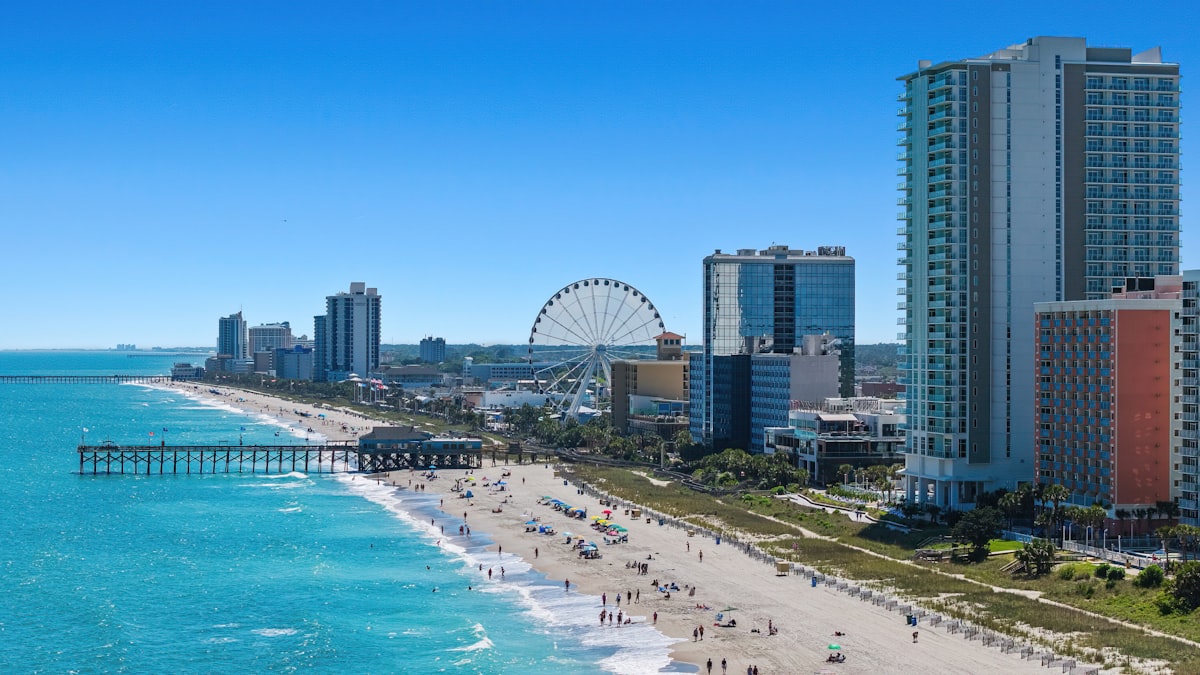

Myrtle Beach runs along the Grand Strand, 60 miles of South Carolina coastline from Little River near the North Carolina border down to Georgetown and Winyah Bay. It's a vacation town first and a fishing town second, but the fishing is better than most visitors realize. The Grand Strand offers fishing at every distance from shore, and each step further out unlocks a different set of species.
The Gulf Stream runs closer to the South Carolina coast than most people think, 50 to 60 miles from the beach, putting blue-water species within range of a long day trip. And Murrells Inlet, the historic fishing village 15 miles south of Myrtle Beach proper, is where the serious charter fleet operates.
New to the Grand Strand? Our beginner's guide to fishing Myrtle Beach covers the piers, the inlets, and the rigs that work from shore. For more of the Carolina coast, see Charleston and Hilton Head.
The Piers, Walk-On Deep Water
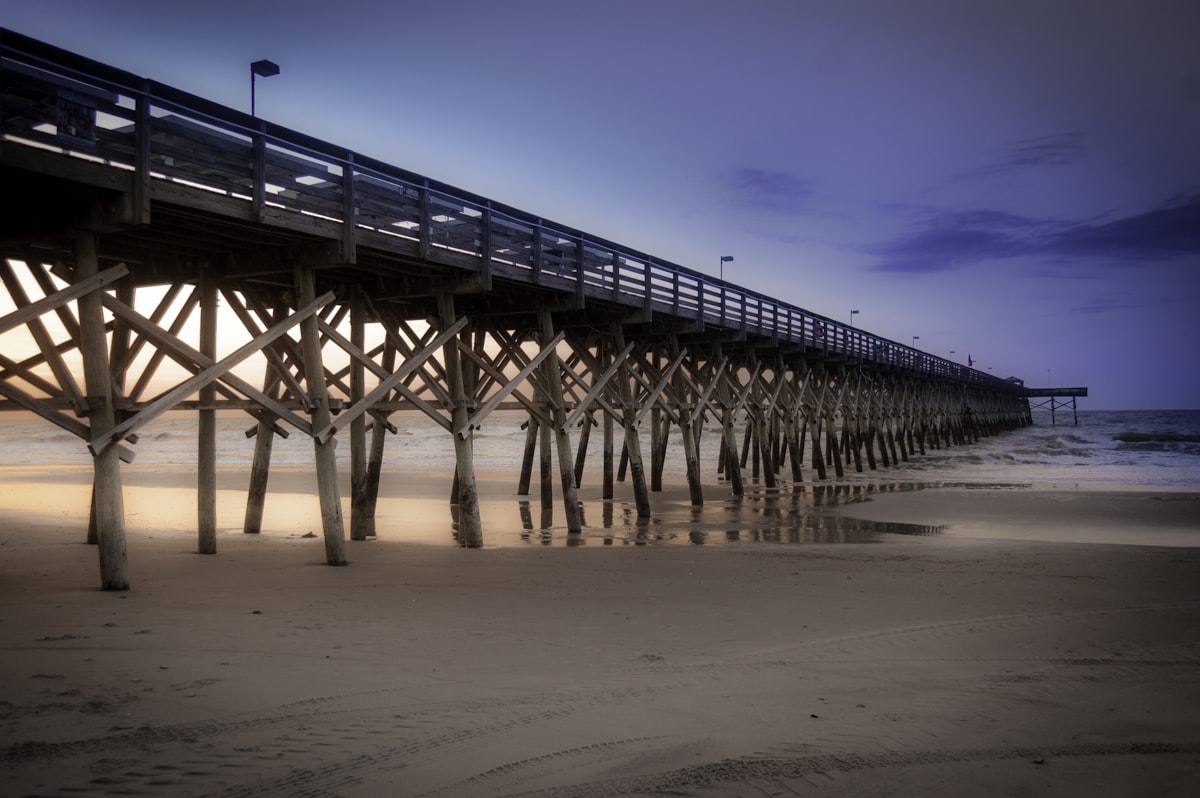
The Grand Strand has more fishing piers than almost any stretch of coast in the Southeast. Apache Pier (the longest on the East Coast at over 1,200 feet), the 2nd Avenue Pier, Cherry Grove Pier, and the Myrtle Beach State Park Pier all extend over the surf zone into water deep enough for migrating pelagics.
King mackerel are the pier headliner, fish of 20 to 40 pounds run past the pier tips from April through October, and landing a king from a pier is a Myrtle Beach rite of passage. Spanish mackerel are smaller but more abundant and arrive in spring. Flounder, whiting, pompano, and red drum round out the pier catches.
The piers are family-friendly, bait shops on the deck, no boat needed, and the night bite under the pier lights pulls in sharks, big reds, and bluefish.
Surf Fishing the Grand Strand
Sixty miles of open beach mean you can fish the surf almost anywhere along the Grand Strand, and unlike the piers, it's free. The beachfront from Cherry Grove down through Myrtle Beach State Park and into Garden City holds fish within a long cast of the sand, and the early morning before the beach crowds arrive is prime time.
Whiting (Southern kingfish) are the bread-and-butter surf catch, they work the wash close to shore all summer and make excellent table fare. Pompano show in spring and fall and are the surf angler's prize. Red drum cruise the troughs, with bull reds pushing in during the fall run, and bluefish and Spanish mackerel blitz bait on the surface through the warm months.
The standard setup is a two-hook bottom rig, a pompano rig, baited with fresh shrimp, sand fleas, or cut mullet and fished in the trough just past the first sandbar. Read the beach at low tide to find the cuts and deeper sloughs; that's where fish funnel when the water comes back up. A pyramid sinker heavy enough to hold the current and a long rod to reach the trough is all it takes.
Murrells Inlet, The Inshore Hub
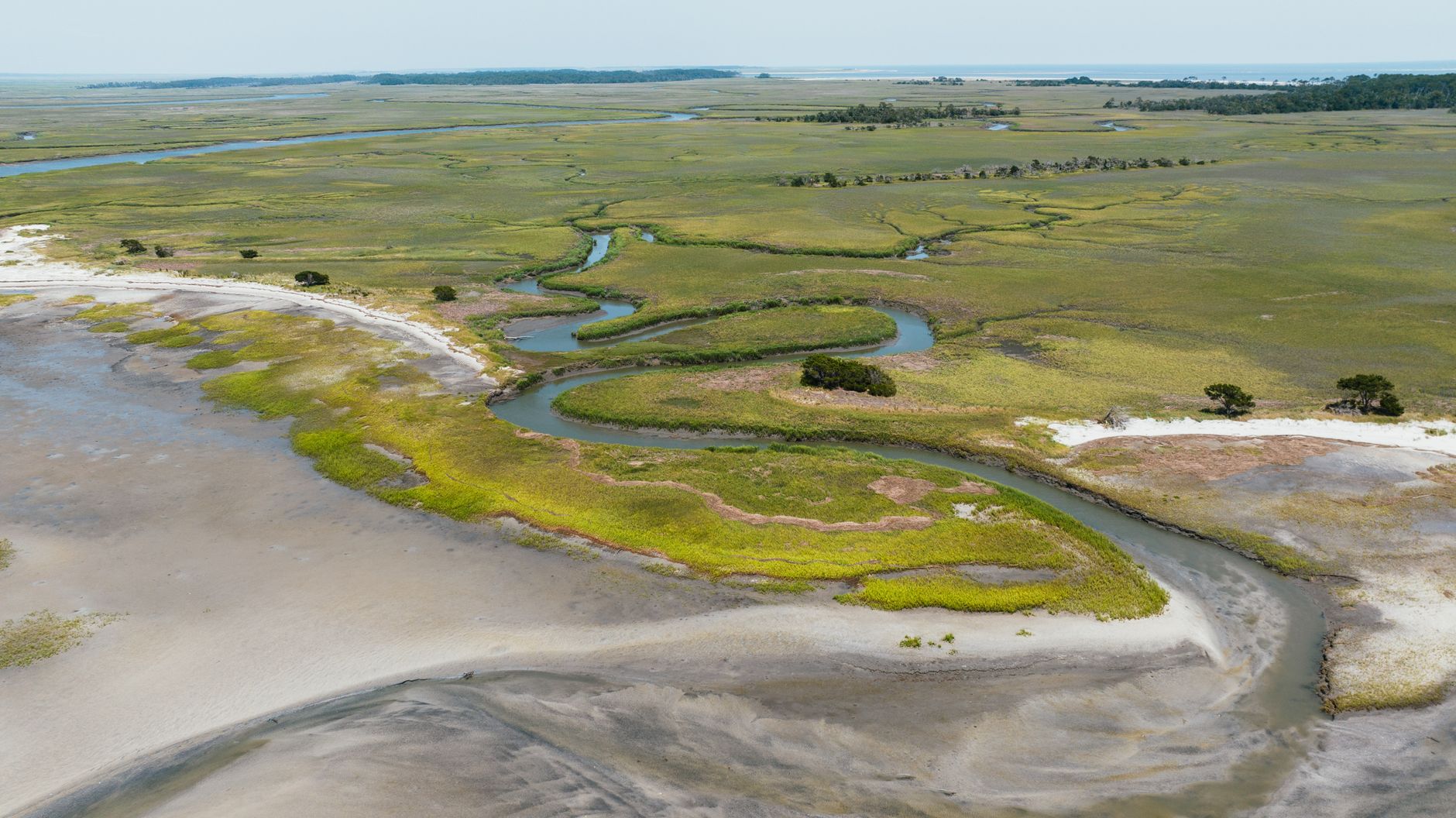
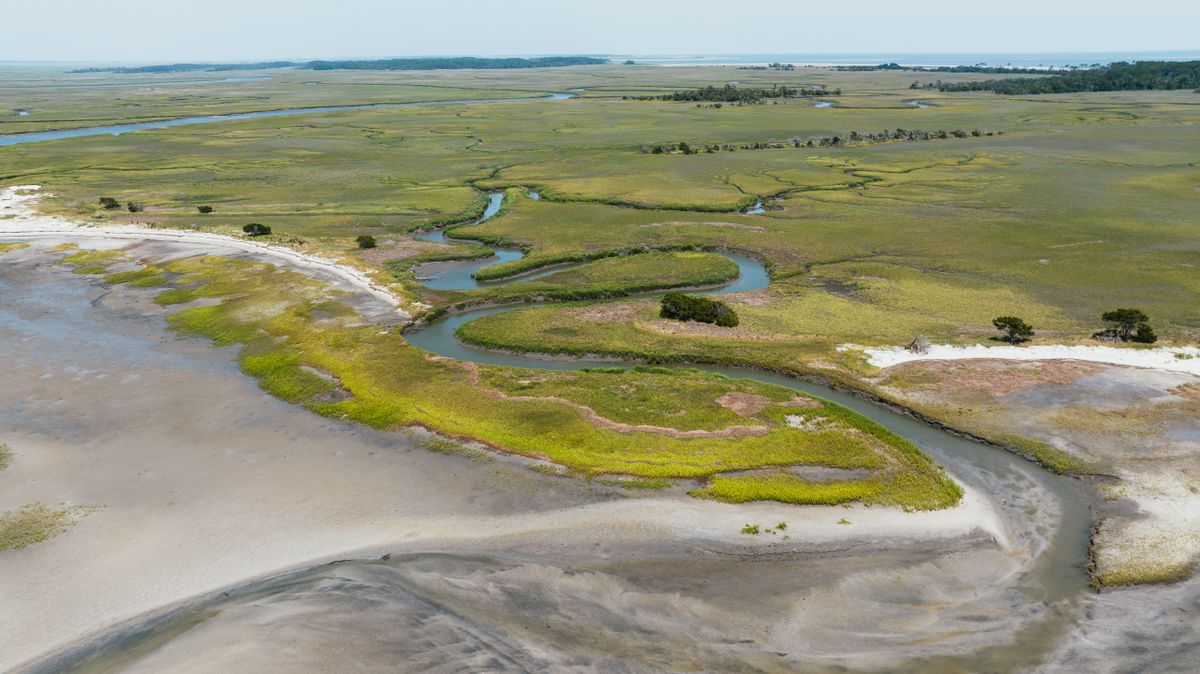
Murrells Inlet is a small tidal creek system 15 minutes south of downtown Myrtle Beach, and it's the heart of the local fishing scene. The inlet connects the marsh creek system to the Atlantic and serves as the home base for the inshore charter fleet.
Redfish hold along the oyster bars, creek edges, and Spartina grass shorelines throughout the Murrells Inlet system. The fall bull red run, September through November, pushes big fish into the inlet and along the beachfront. Speckled trout sit over the sandy potholes in the grass, and flounder lie along the channel transitions and sandy bottoms.
The inlet itself concentrates fish on every tide change. The jetties at the mouth produce sheepshead, black drum, flounder, and Spanish mackerel for anglers who fish the rocks.
Nearshore Wrecks and Reefs
Between 5 and 20 miles offshore, the Grand Strand's seafloor is dotted with natural reefs, artificial deployments, and old shipwrecks that hold bottom fish.
Black sea bass are the nearshore staple, they stack on every piece of structure and provide reliable action year-round. Vermillion snapper, triggerfish, grouper, and amberjack hold on the deeper structure. Cobia cruise the nearshore water in spring, often holding near buoys and floating debris.
These half-day to three-quarter-day trips are the sweet spot for families, close enough for light stomachs, productive enough for a full cooler.
Gulf Stream, The Blue Water
Full-day and overnight trips from Little River or Murrells Inlet reach the Gulf Stream, 50 to 60 miles offshore, where the fishing changes completely.
Mahi-mahi stack under floating debris and weed lines from late spring through fall, the most fun offshore species, with fast action and acrobatic fights. Wahoo run the temperature breaks. Yellowfin tuna and blackfin tuna hold along the Gulf Stream edges and around the deep-water structure.
Sailfish are a realistic target from late spring through fall. Blue and white marlin patrol the warm-water eddies in summer. These aren't guaranteed, they're billfish, but the Grand Strand's offshore fleet catches them every season.
When to Go
- March–May: Cobia nearshore, Spanish mackerel arriving, king mackerel starting, inshore warming up
- June–August: Peak offshore, Gulf Stream trips for mahi and tuna, king mackerel on the piers, full charter season
- September–November: Bull redfish run, fall king mackerel, offshore still producing, the best overall
- December–February: Black sea bass and tautog on the wrecks, trout in the inlet, sheepshead on structure