Fish
Fish Fire
Fire Hike
Hike Bird
Bird

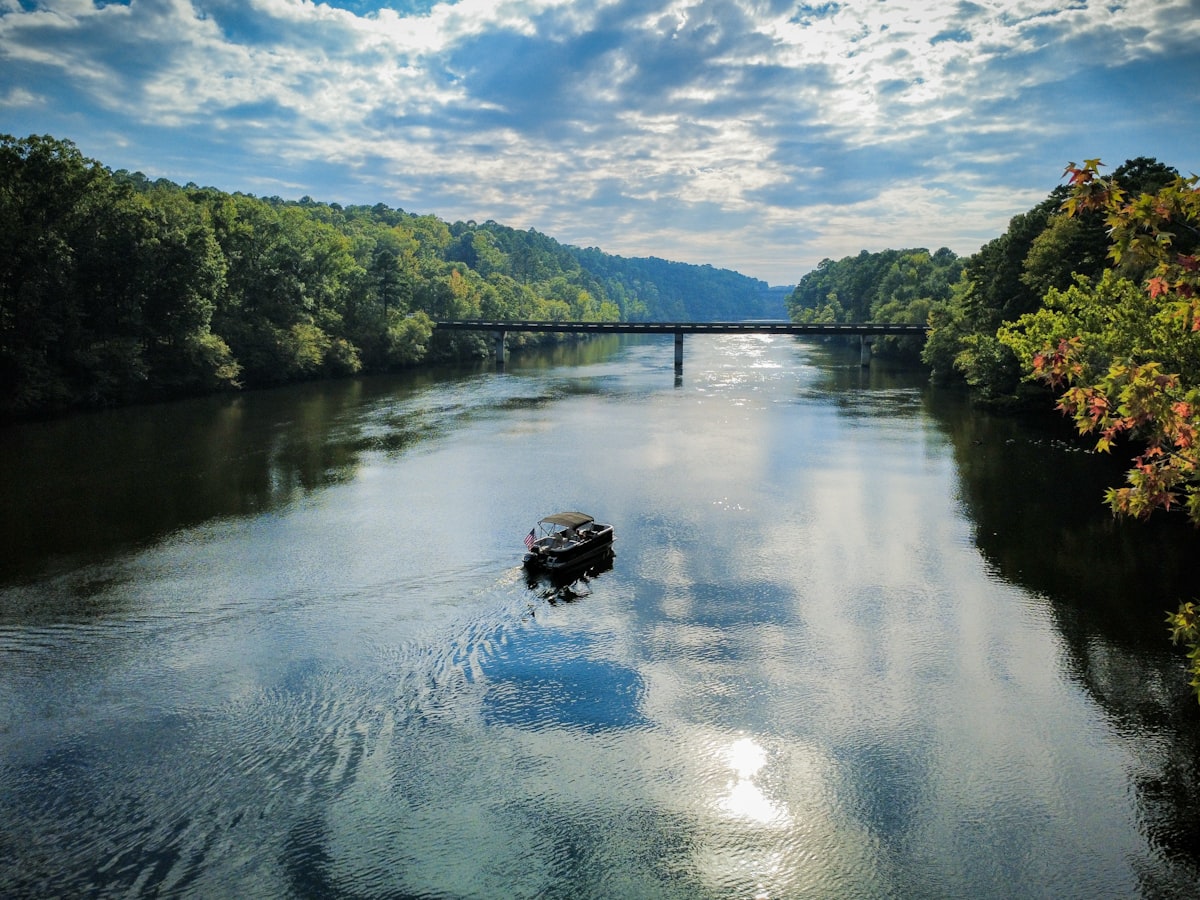

Mountain Home, Arkansas sits in the Ozark highlands between two of the most famous tailwater trout fisheries in the world. To the west, the White River flows below Bull Shoals Dam through a limestone valley that holds rainbow, brown, cutthroat, and brook trout in numbers and sizes that draw anglers from across the country. To the east, the North Fork River below Norfork Dam holds the same species in smaller, more intimate water, and produced the former world-record brown trout: 38 pounds, 9 ounces, caught in 1988.
These aren't ordinary trout streams. The cold water released from the bottom of the dams creates year-round conditions that would normally only exist in mountain rivers at high elevation. The result is trophy trout fishing in the Arkansas Ozarks, 20-inch rainbows and five-pound browns in water you'd never expect to hold them.
The White River, Bull Shoals Tailwater
The White River below Bull Shoals Dam is the flagship. The cold, nutrient-rich water supports more trout per mile than almost any river in the country, and the fishing infrastructure, guides, lodges, boat launches, access points, reflects a fishery that has been drawing anglers for decades.
Rainbow trout are the most numerous species. The river is stocked by the Arkansas Game and Fish Commission, and the cold water and abundant insect life grow the fish quickly. Rainbows of 14 to 20 inches are standard, and fish over 22 inches are caught regularly. The stockers grow fast and fight hard in the tailwater's current.
Brown trout are the trophy quarry. They reproduce naturally in the White River, and the larger fish are wild, products of the river itself. Browns over five pounds are caught every season, and fish in the teens are realistic for anglers who fish the right water at the right time. The biggest browns eat at night and during low-light periods, taking large streamers and sculpin patterns swung through the deeper runs.
The White River fishes differently depending on generation, when Bull Shoals Dam releases water. During generation, the river rises and flows hard, and the fishing shifts to drift boats working the deeper runs with heavy nymphs and streamers. Between generation periods, the river drops to wadeable levels, and the fishing becomes more technical, sight-nymphing, dry-fly fishing to rising trout, and working the shallow riffles and runs.
Guides time their trips around the generation schedule, which is published daily. The interplay between high and low water creates constantly changing conditions that keep the fishing interesting year-round.
The North Fork, Norfork Tailwater
The North Fork River below Norfork Dam is smaller, more intimate, and, pound for pound, holds the biggest trout in the system. This is the water that produced the world-record brown trout in 1988, and while that specific record has been broken, the river still grows enormous fish.
The Norfork tailwater is shorter than the White River section, roughly five miles of premium trout water, but the concentration of large fish is exceptional. Brown trout over 10 pounds are caught here every season, and the river holds trophy rainbow and cutthroat trout as well.
The North Fork is wade-friendly during low water and small enough to feel personal, you're fishing specific pools, runs, and ledges rather than covering miles of big water. The dry-fly fishing during the warmer months, when caddis and mayfly hatches bring trout to the surface, is some of the best in the Ozarks.
Norfork Lake and Bull Shoals Lake
Above the dams, the reservoirs offer warm-water fishing for largemouth and smallmouth bass, walleye, striped bass, and crappie. Both are clear-water Ozark impoundments with rocky structure and deep bluffs.
Norfork Lake is particularly good for striped bass, landlocked fish that run 10 to 30 pounds in the deep, cold water. Bull Shoals Lake holds strong smallmouth populations on the deeper points and bluffs.
When to Go
The tailwaters fish year-round, there is no off-season:
- March–May: Hatches building, wade fishing in low water, the rivers coming alive
- June–August: Full generation schedule, drift-boat fishing, 20-60 fish days on the White River
- September–November: Fall colors, reduced generation, the best wade fishing of the year
- December–February: Trophy brown trout season, the biggest fish of the year, streamers at dawn and dusk