Lake Placid Fishing: Brook Trout, Landlocked Salmon, and the Adirondack Tradition
← All field notes

Lake Placid · New York

Lake Placid Fishing: Brook Trout, Landlocked Salmon, and the Adirondack Tradition

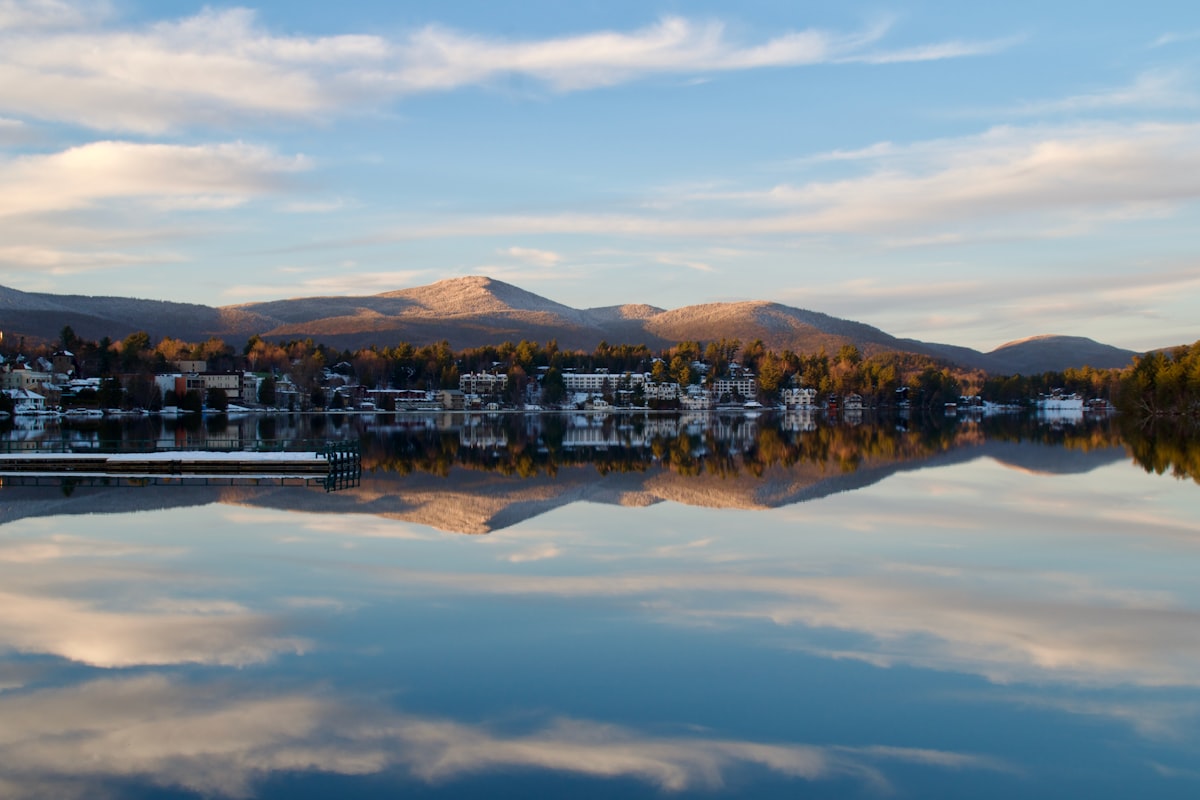
Lake Placid sits in the heart of the Adirondacks, where cold mountain lakes hold landlocked salmon and lake trout, and the rivers still carry native brook trout in water that hasn't changed in centuries.

Colin Van Dyke

Colin Van Dyke

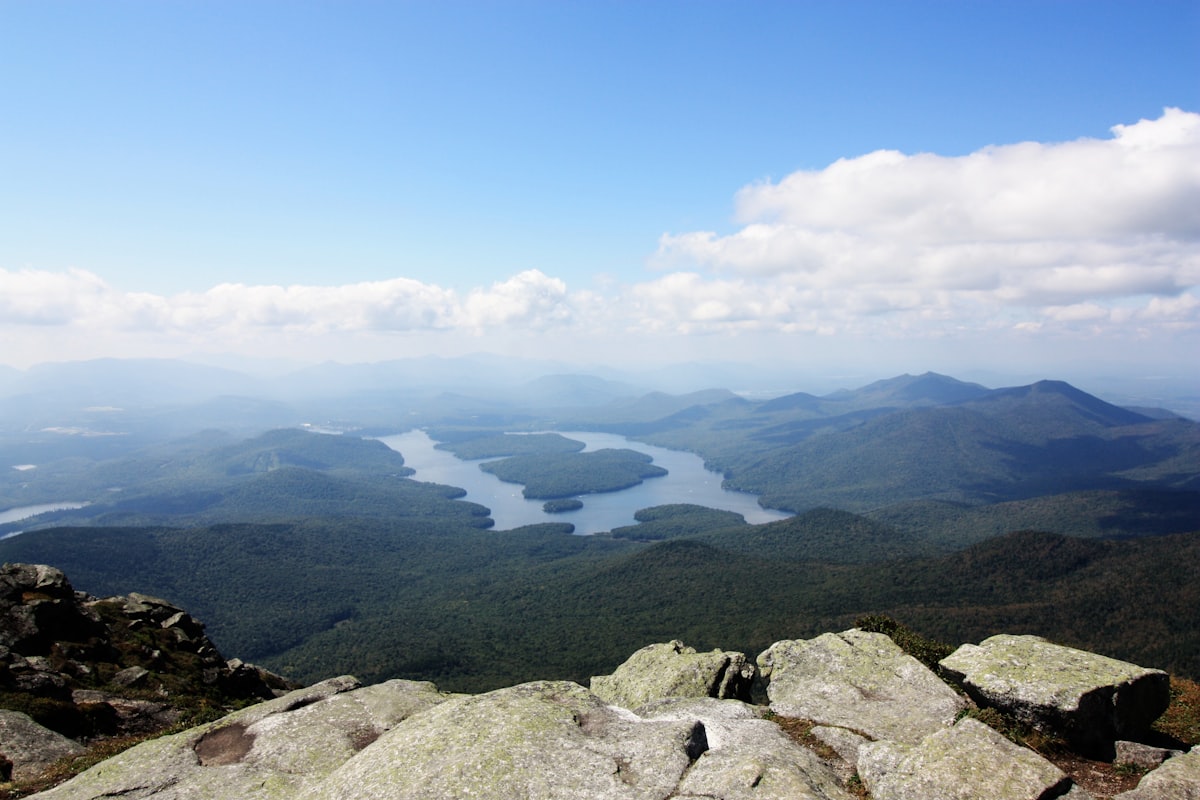
Lake Placid sits at 1,800 feet in the heart of the Adirondack Mountains, a region of six million acres of protected forest, 3,000 lakes, and 30,000 miles of rivers and streams. The fishing here is mountain fishing in the truest sense: cold, clean water; native brook trout; landlocked Atlantic salmon; and lake trout that hold in the dark, deep water beneath the surface.

This isn't trophy-fishing country in the way that Montana or Florida is. The Adirondacks reward patience, exploration, and an appreciation for wild fish in wild places. The brook trout are native, they've been here since the glaciers receded, and catching one on a dry fly in a stream that looks the same as it did 500 years ago is a connection to something older than the sport itself.

The Lakes, Landlocked Salmon and Lake Trout

Lake Placid (the lake, not the town) is a deep, cold body of water that holds landlocked Atlantic salmon and lake trout, two species that define Adirondack stillwater fishing.

Landlocked salmon are the glamour species. They're the same Atlantic salmon that run the rivers of Maine and Canada, but these fish are permanent lake residents, they don't go to the ocean. They average two to four pounds, with fish over five pounds available, and they fight like nothing else in freshwater for their size: long runs, acrobatic jumps, and a stamina that makes them feel twice as big as they are.

Salmon fishing on Lake Placid is a trolling game in spring and fall, pulling streamer flies or small spoons behind a boat at 2 to 3 mph along the shoreline and over the shallow reefs where salmon chase smelt. The fish are near the surface in spring (April–May) and fall (September–October) when water temperatures are in their preferred range, and they drop deep in summer.

Lake trout live in the deep water year-round and are the more reliable target. They hold along the bottom in 50 to 100 feet during summer, rising to shallower structure when the surface cools in fall. Lead-core trolling and downrigging are the standard methods. Lake trout don't jump, but they pull hard and fight deep, and fish over 10 pounds are caught on Lake Placid every season.

Saranac Lake, a short drive from Lake Placid, offers similar fishing with less pressure. The chain of Upper, Middle, and Lower Saranac Lakes holds salmon, lake trout, northern pike, and smallmouth bass.

The Rivers, Native Brook Trout

The rivers and streams around Lake Placid hold the Adirondacks' most cherished species: native brook trout. These aren't stocked fish, they're the descendants of populations that have occupied these waters since the last ice age, and they're the reason many anglers come to the Adirondacks.

The West Branch of the Ausable River is the headline water. It flows past the base of Whiteface Mountain through the town of Wilmington, cutting through a gorge of exposed bedrock, plunge pools, and pocket water that holds brook trout, brown trout, and rainbow trout. The brook trout in the upper stretches are wild, brilliantly colored, and willing to eat dry flies, though they rarely top 10 inches. The lower sections hold larger brown and rainbow trout, some pushing 16 to 18 inches.

The Ausable is designated catch-and-release in many sections, and the fly-fishing tradition here is deep. The pocket water and plunge pools demand short, accurate casts and a willingness to scramble over rocks, it's physical fishing in spectacular scenery.

Smaller streams, unnamed tributaries, backcountry creeks, headwater seeps, hold native brookies in water so small you could step across it. These fish are measured in inches, not pounds, but their colors, orange bellies, blue-haloed spots, white-tipped fins, are among the most beautiful in freshwater. Finding these streams usually requires a hike, a topo map, and the willingness to explore.

Pond Fishing, The Adirondack Tradition

The Adirondacks hold hundreds of remote ponds, some accessible by trail, others requiring bushwhacking through spruce forest, that hold brook trout, splake, and sometimes lake trout. Pond fishing is the Adirondack tradition: a canoe, a fly rod, and a thermos of coffee at dawn on glassy water surrounded by old-growth forest.

Many of these ponds are stocked by the state (some by helicopter), and the fishing can be excellent, naive trout in small water that see few anglers. The New York DEC publishes stocking lists that tell you which ponds received fish and when, and planning a trip around a recently stocked backcountry pond is a time-honored Adirondack strategy.

When to Go

  • Late April–May: Landlocked salmon near the surface, ice-out on the lakes, early brook trout
  • June–July: Brook trout in the streams, lake trout on the deep structure, the best weather
  • September–October: Fall salmon and lake trout near the surface, brook trout spawning colors, peak foliage
  • Winter: Ice fishing on the lakes for lake trout, salmon, and pike, an Adirondack winter tradition

Recommended gear

  • Ugly Stik Elite Spinning Combo UL

    Entry level, brook trout in Adirondack streams

  • Pflueger President Spinning Combo UL

    Mid-tier, ultralight for wild trout

  • Shimano Tekota 300 Line Counter

    Mid-tier, lake trout trolling on the big lakes

  • Panther Martin Spinner #4 Gold

    Adirondack brook trout spinner, classic

  • Rapala Countdown CD-7 Rainbow Trout

    Trolled for lake trout on Lake Placid

  • Blue Fox Vibrax #2 Silver

    Stream trout in the Adirondack tributaries

Frequently asked

Do you need a license to fish Lake Placid?

Yes, New York requires a freshwater fishing license for anyone 16 and older (the free Marine Registry is for saltwater only). Non-residents can buy 1-day, 7-day, or annual licenses online through NY DEC. The license requirement applies to everyone fishing, so make sure each angler in your party is covered before heading out.

Can you fish Lake Placid without a boat?

Partly. The landlocked salmon and lake trout in Lake Placid itself hold in deep, open water and are really a trolling game, so they're best reached by boat or canoe. But the brook trout fishing, the heart of Adirondack angling, is wadeable and shore-accessible. The West Branch of the Ausable can be fished on foot from pullouts along Route 86, and countless backcountry streams and stocked ponds are reachable by trail with nothing more than a pack rod.

What fish can you catch in Lake Placid?

Lake Placid (the lake) holds landlocked Atlantic salmon and lake trout. The surrounding rivers, especially the West Branch of the Ausable, hold native brook trout, brown trout, and rainbow trout. Nearby Saranac Lake adds northern pike and smallmouth bass.

What are landlocked salmon?

Landlocked Atlantic salmon are the same species as ocean-going Atlantic salmon, but they live permanently in freshwater lakes. They average two to four pounds, fight with long runs and acrobatic jumps, and are caught by trolling the lakes in spring and fall when they're near the surface.

Can you catch native brook trout near Lake Placid?

Yes, the Adirondack streams around Lake Placid hold native brook trout that have been here since the glaciers receded. They're small (most under 10 inches) but brilliantly colored and willing to eat dry flies. The West Branch of the Ausable River is the most accessible water.

When is the best time to fish Lake Placid?

Late April through May for ice-out salmon near the surface. June and July for brook trout in the streams and lake trout on deep structure. September and October for fall salmon, brook trout in spawning colors, and peak foliage. Winter offers ice fishing for lake trout and salmon.

What is pond fishing in the Adirondacks?

The Adirondacks hold hundreds of remote ponds, many accessible only by trail or bushwhacking, that hold brook trout, splake, and lake trout. It's the traditional Adirondack fishing experience: a canoe, a fly rod, and quiet water surrounded by old-growth forest. Many are stocked by the state, some by helicopter.

More New York field notes

Urban Fishing in New York City: Stripers Under the Skyline, Bass in Central Park, and 520 Miles of Fishable Shoreline

New York City, NY

Urban Fishing in New York City: Stripers Under the Skyline, Bass in Central Park, and 520 Miles of Fishable Shoreline

New York City has over 520 miles of shoreline, dozens of fishable park ponds, and striped bass running the Hudson and East Rivers every spring and fall. You do not need a boat. You do not need to leave the five boroughs.

How to Fish Montauk: A Beginner's Guide to Surf Casting, Party Boats, and the Striper Blitz

Montauk, NY

How to Fish Montauk: A Beginner's Guide to Surf Casting, Party Boats, and the Striper Blitz

Everything a first-timer needs to fish Montauk, surf casting for striped bass at the lighthouse, party boats for fluke and sea bass, offshore charters for tuna, and what gear actually works on the rocks. Rigs, bait, tackle, and practical tips.

How to Fish Lake Placid, New York: A Beginner's Guide to the Adirondacks

Lake Placid, NY

How to Fish Lake Placid, New York: A Beginner's Guide to the Adirondacks

Lake trout in deep, clear water, the legendary Ausable River, and brook trout in backcountry ponds, the Adirondack High Peaks are a coldwater angler's dream. Here's how a first-timer gets started in Lake Placid.

New York, NY

The Royal Wulff: How to Tie the Attractor Dry Fly That Changed Everything

The Royal Wulff is the most recognizable dry fly ever tied, white hair wings, peacock and red body, and enough buoyancy to ride the roughest pocket water on earth. Here's the history, the recipe, the variations, and where to fish it.

Montauk Fishing: Everything Starts and Ends at the Point

Montauk, NY

Montauk Fishing: Everything Starts and Ends at the Point

Montauk Point is where the Atlantic Ocean meets Block Island Sound, and everything, striped bass, bluefin tuna, bluefish, fluke, revolves around the rips, rocks, and currents at the tip of Long Island.

How to Fish the St. Lawrence River: A Beginner's Whole-River Guide to Smallmouth, Muskie, and Pike

St. Lawrence River, NY

How to Fish the St. Lawrence River: A Beginner's Whole-River Guide to Smallmouth, Muskie, and Pike

The St. Lawrence River and its Thousand Islands are one of North America's finest multispecies fisheries, arguably the best smallmouth bass river anywhere, plus world-class muskie, pike, walleye, and sturgeon. Here's the whole-river guide.