Fish
Fish Fire
Fire Hike
Hike Bird
Bird

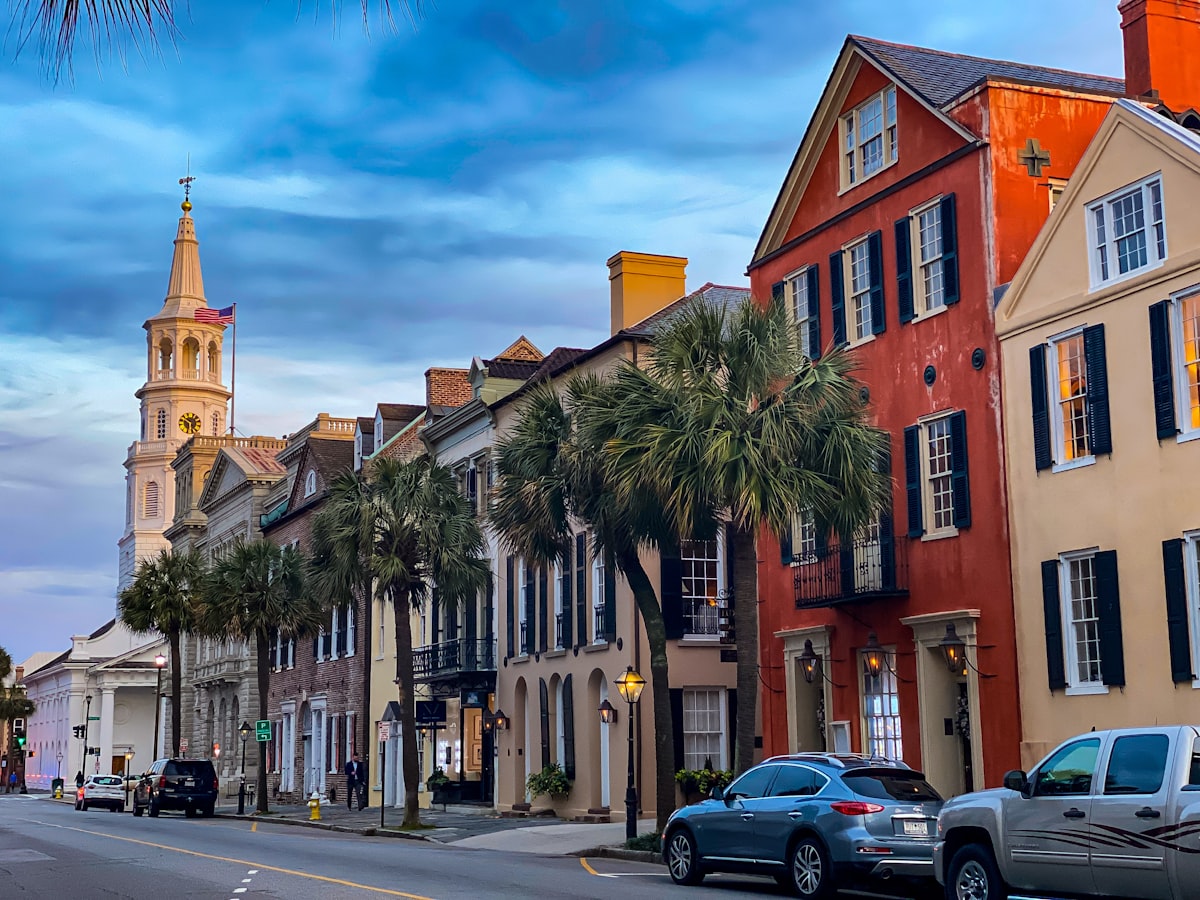

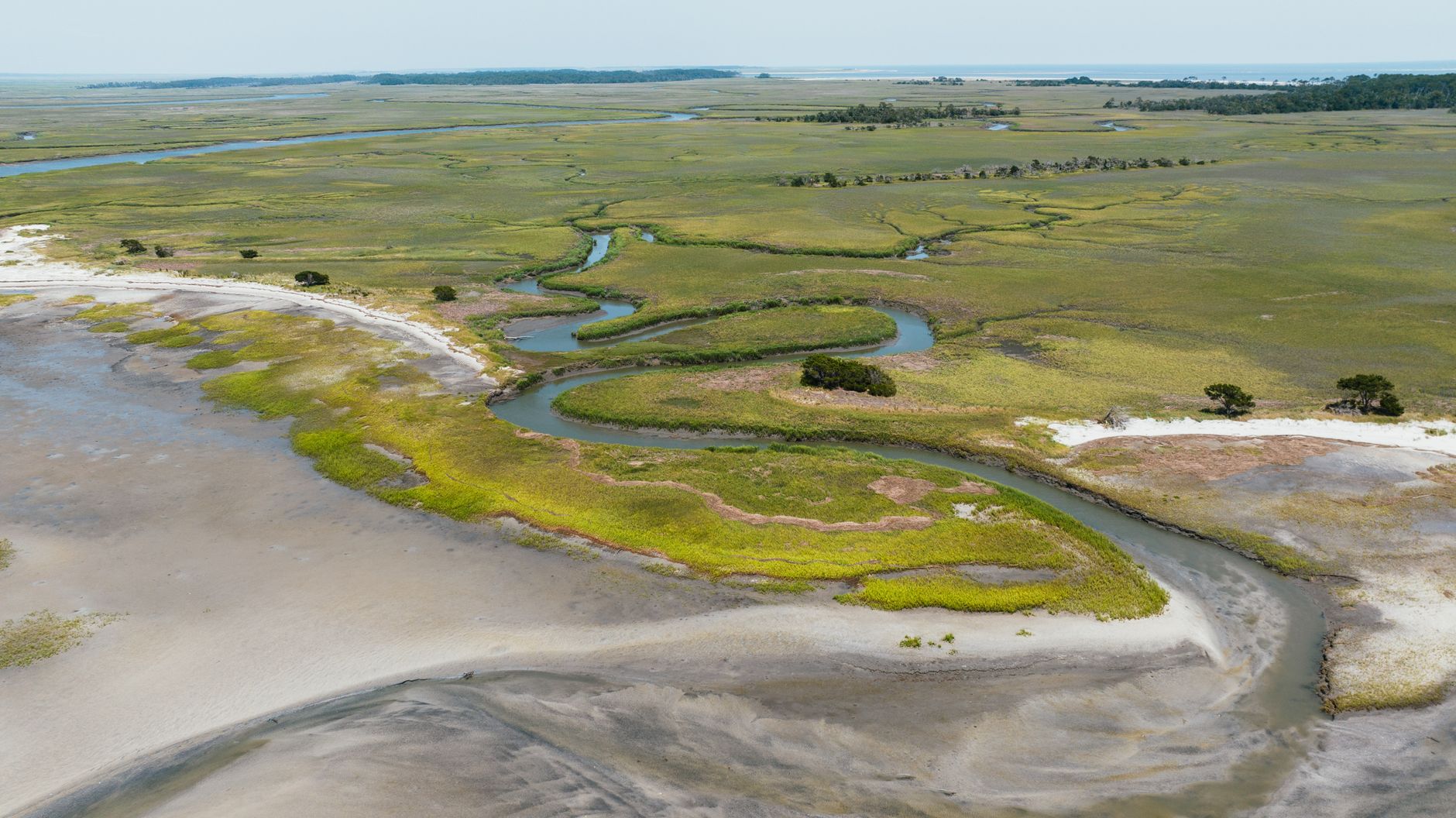
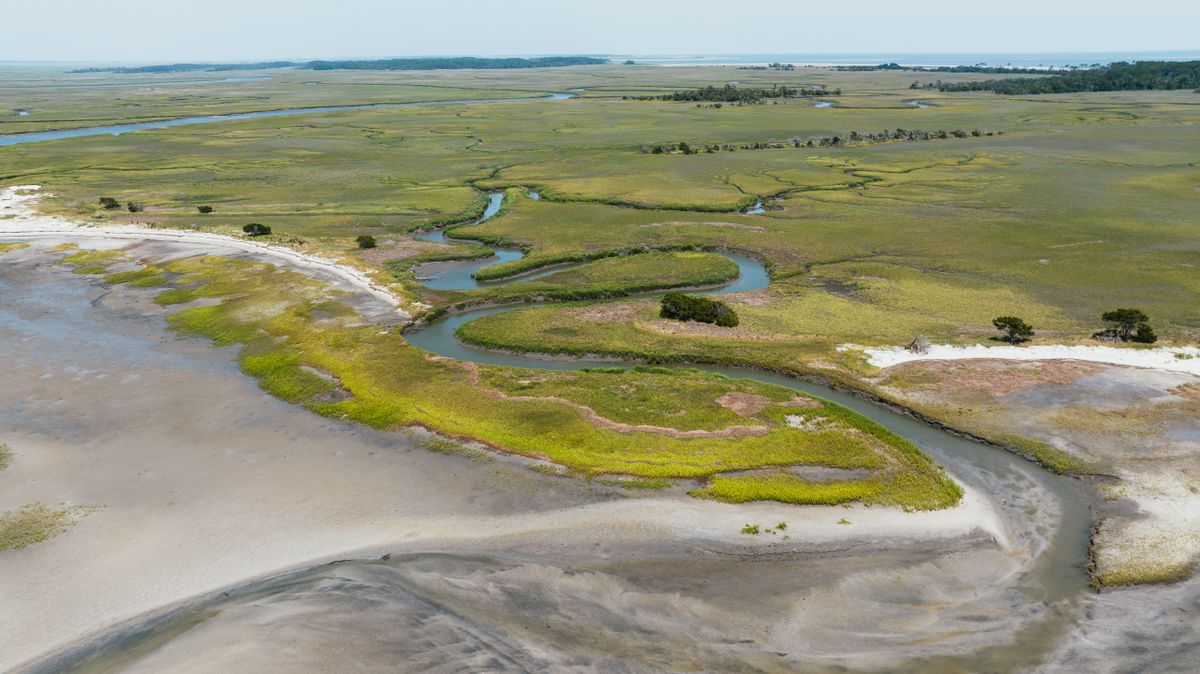
Charleston sits at the confluence of the Ashley and Cooper Rivers, where the Lowcountry marsh unfolds in every direction, thousands of acres of Spartina grass, tidal creeks, oyster bars, and mud flats threaded by channels that rise and fall six feet with every tide. The fishing here isn't about big open water or long runs offshore. It's about knowing which creek mouth holds redfish on a falling tide, which oyster bar stacks trout at dawn, and which flat shows tailing fish when the water drops to shin-deep.
This is sight-fishing and structure-fishing country, and the guides who work these creeks have spent decades mapping a system that changes shape with every tide.
The Harbor and Inner Creeks
Charleston Harbor is where the Ashley, Cooper, and Wando Rivers merge before emptying into the Atlantic. The harbor itself holds fish, sheepshead stack around bridge pilings, dock structure, and the riprap along the seawalls. But the real fishing starts when you leave the harbor and push into the creeks.
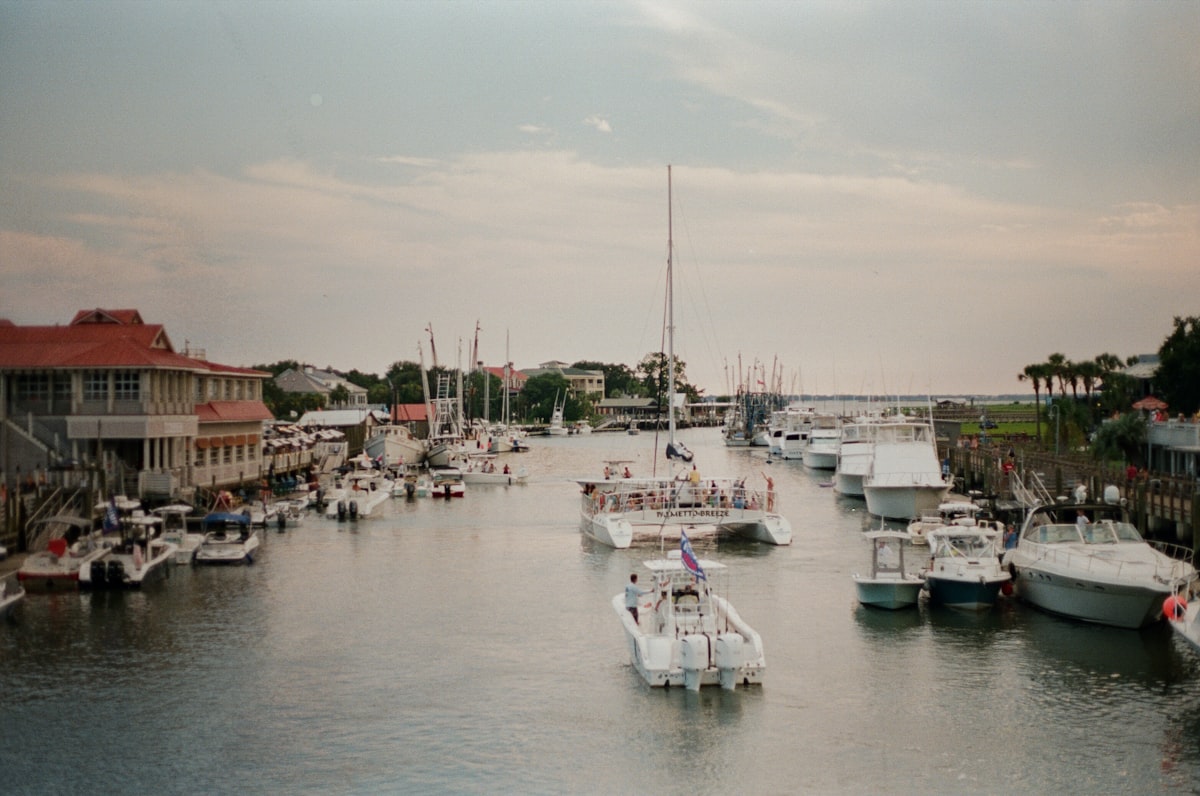
Shem Creek is the most famous, a short tidal creek in Mount Pleasant lined with docks, restaurants, and charter boats. It's the departure point for most inshore trips, and it holds redfish and trout in its own right. But Shem Creek is just the starting point.
The Wando River system branches into dozens of smaller creeks that wind through undeveloped marsh. The deeper bends hold redfish stacked against oyster bars, especially on falling tides when water drains off the flats and funnels through the creek channels. A gold spoon or a live shrimp pitched tight to an oyster rack is the Lowcountry standard.
The Stono River flows southwest of the city, connecting Johns Island to the Intracoastal Waterway. In winter, when cold fronts push redfish off the shallow flats, they concentrate in the Stono's deeper bends and holes, sometimes hundreds of fish in a single deep bend. Anglers who know these winter holes can find nonstop action when the rest of the coast is slow.
The Flats, Sight Fishing for Tailing Reds
Charleston's grass flats are where the fishing gets visual. When the tide drops low enough to expose the tops of the Spartina grass, redfish push onto the remaining shallow water to feed, tailing as they root for crabs and shrimp on the bottom. You see the tail first, a copper flash catching the sunlight, and then you've got one shot with a well-placed cast.
Sight-casting to tailing redfish is the pinnacle of Lowcountry fishing. It works on both conventional and fly tackle, and Charleston guides have developed it into an art form. The fish average three to eight pounds, slot-sized reds, with bigger fish (bull reds over 27 inches) showing up in the fall.
The best sight-fishing happens in winter and early spring, when the water clears up and fish school on warm, shallow flats during sunny afternoons. The fish are more visible in cooler water, and on a good day you can see them 50 yards away.
Bulls Bay, The Wild Water
Northeast of Charleston, Bulls Bay stretches behind the Cape Romain National Wildlife Refuge, a vast, relatively undeveloped estuary that feels like a different century. The bay is ringed by pristine marsh, fed by numerous creeks, and holds trophy redfish, speckled trout, flounder, and tarpon.
The grass flats inside Bulls Bay are expansive and hold some of the best redfish concentrations on the South Carolina coast. Because the area is less accessible, no marinas, no development, no crowds, the fish see less pressure than the creeks closer to town. Trailering a boat to Bulls Bay access points puts you on water that feels genuinely wild, 30 minutes from downtown Charleston.
Tarpon roll through Bulls Bay in summer, June through August, following the schools of menhaden that fill the bay. The fish are 50 to 100-plus pounds, and hooking one in the shallow water of a Lowcountry creek is an experience that most people associate with the Florida Keys, not South Carolina.
The Nearshore Reef
Charleston's nearshore fishing extends to the artificial reefs and live-bottom structure within 15 to 30 miles of the coast. Sheepshead, black sea bass, grouper, triggerfish, and vermillion snapper hold on the structure year-round, and the trips are short enough to combine with an inshore morning.
King mackerel run the nearshore ledges in spring and fall. Cobia migrate along the coast in spring, cruising the surface near buoys and rays. Sight-casting to a cobia from the bow, the same visual game as tailing reds, but with a 40-pound fish, is one of the best crossover experiences in Charleston fishing.
When to Go
- Spring (March–May): Trout on the flats, cobia migration nearshore, early redfish action in the creeks
- Fall (September–November): Peak redfish, the fall run puts fish on every flat, creek, and oyster bar
- Winter (December–February): Best sight fishing, clear water, schooled reds on warm flats, Stono River concentrations
- Summer (June–August): Tarpon in Bulls Bay, flounder on the flats, sharks on the nearshore reefs