Fish
Fish Fire
Fire Hike
Hike Bird
Bird

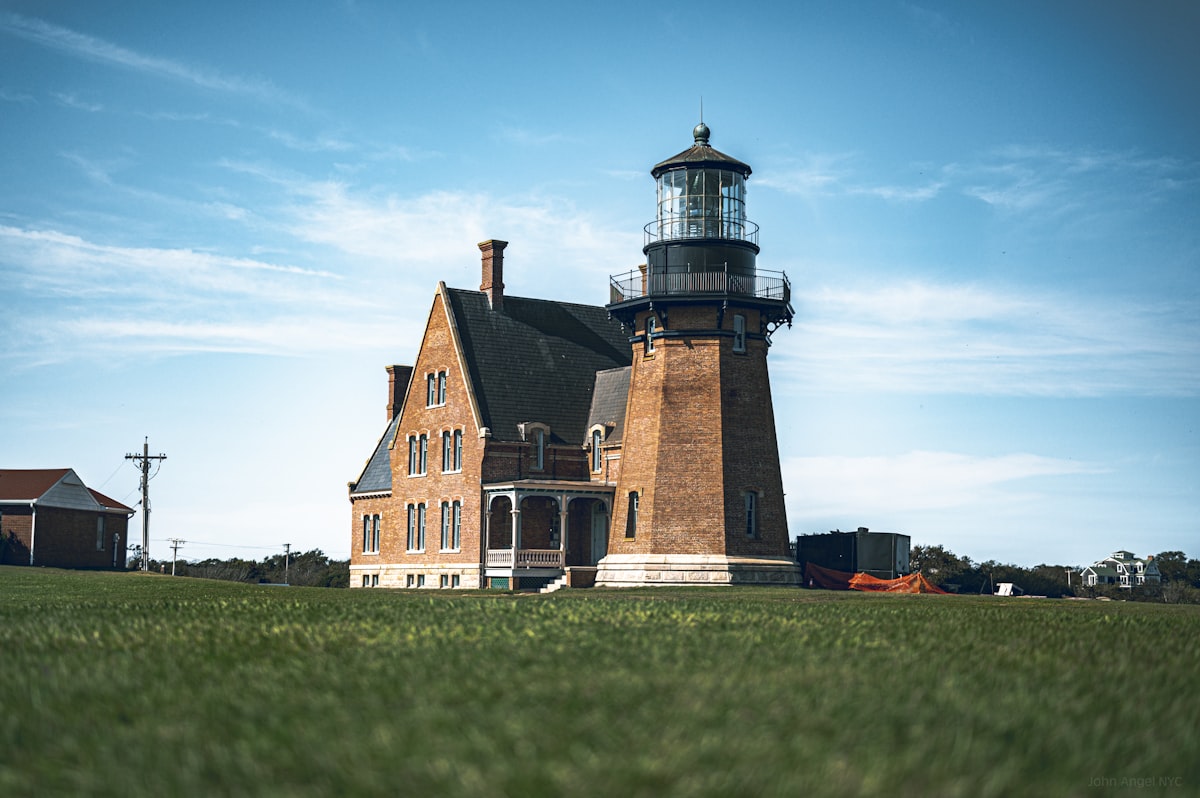

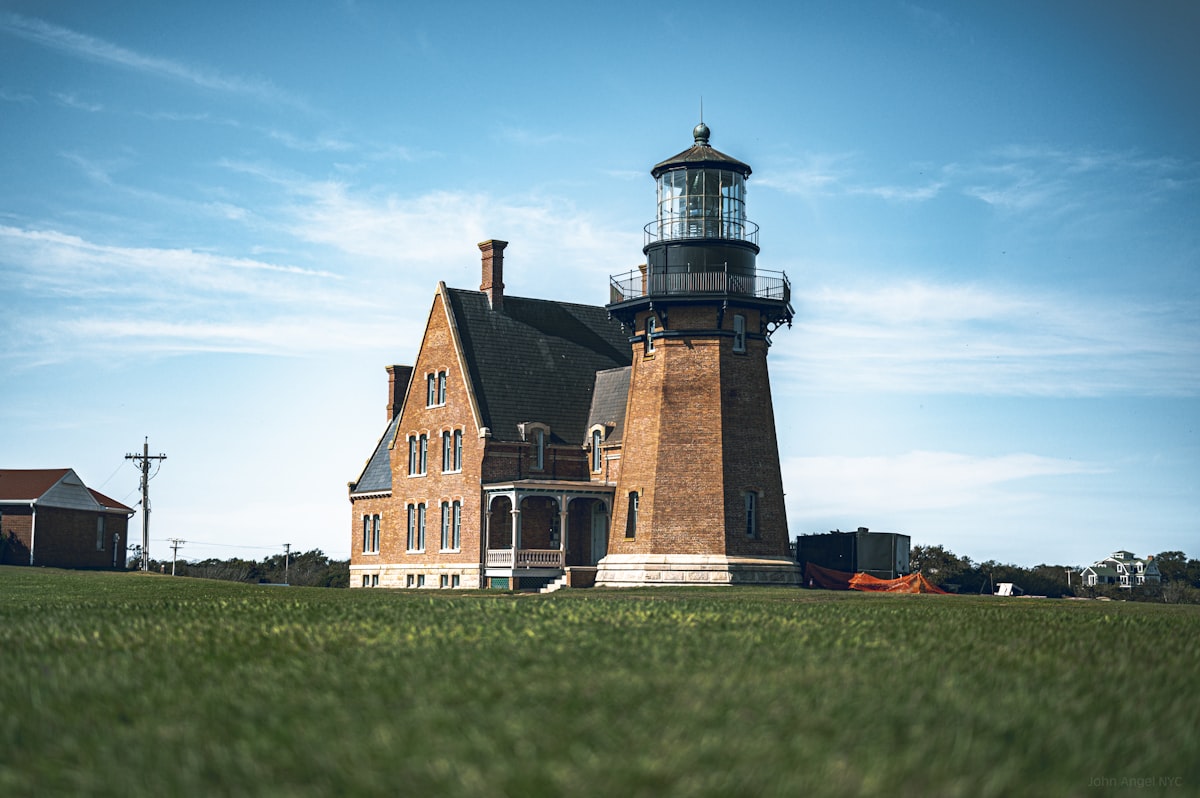
Block Island rises from the ocean 13 miles off the Rhode Island coast, a 10-square-mile island of bluffs, beaches, and harbor that's been a fishing destination for generations. What makes the island's fishing exceptional isn't the island itself, it's what's underwater around it.
The seafloor surrounding Block Island is scored with ridges, ledges, and drop-offs that create rips, areas of turbulent, current-swept water where the tide accelerates over the structure. These rips concentrate bait, which concentrates striped bass, bluefish, fluke, bonito, and false albacore in predictable, fishable zones. The North Rip, Southwest Ledge, and the edges of Block Island Sound are the engine of the fishery.
The North Rip, The Main Event
The North Rip is the most productive fishing structure around Block Island. It's an area of shallow, rocky bottom north of the island where tidal currents accelerate over the ledge, creating standing waves and churning water that traps baitfish.
Striped bass stack in and around the North Rip from May through October. The biggest fish, 30 to 50 pounds, hold in the rip's deeper edges, feeding on the bait that tumbles through the turbulence. Live eels, trolled umbrella rigs, and drifted live bait all produce. On a good tide, the rip can hold hundreds of fish, and the action is fast.
Bluefish work the same rip, often mixed with the bass. They hit harder and fight dirtier, slashing through leaders and schooling bait with a ferocity that stripers can't match.
Southwest Ledge and the Edges
Southwest Ledge drops from shallow water into the Block Island Sound channel, creating a current edge that holds fluke (summer flounder) on the bottom and stripers in the water column.
Fluke fishing at Block Island is outstanding. The sandy bottom around the ledges and the channel edges holds fish that average larger than mainland Rhode Island fluke, doormat flounder over seven pounds are caught every season. Drifting with bucktail jigs and strip bait along the bottom contours is the standard technique.
The deeper water around the island's southeastern corner accesses bluefin tuna grounds, school bluefin feed along the Block Island Sound edges in June and again in September and October.
New Harbor, The Calm Water
New Harbor (the Great Salt Pond) is Block Island's protected harbor, connected to the ocean through a narrow channel. The channel's swift tidal currents create a natural feeding station, fish stage at the channel mouth during tidal transitions, and casting to them from an anchored boat or the breakwater produces consistent action.
Stripers, bluefish, and fluke all hold in and around the channel. Scup and sea bass hold on the rocky structure inside the harbor and around the breakwater.
The Fall Run, Albies and Bonito
Like Nantucket and the rest of southern New England, Block Island's fall run, September through October, brings false albacore and bonito that chase bait around the island's rips and points. The albies show up unpredictably, blitzing on the surface in one spot, then disappearing and reappearing somewhere else. Chasing them by boat, watching for birds, and casting into the frenzy when you find it is the most adrenaline-producing fishing of the season.
Shore Fishing
Block Island offers productive shore fishing from the beaches and rocky points. The North Light area provides surf-casting access to the edges of the North Rip. Mohegan Bluffs on the south side offer cliff-based access to deep water. The Southwest Point beaches produce fluke and stripers from the sand.
When to Go
- May–June: Stripers arriving, fluke starting, spring bass at the rips
- July–August: Peak everything, bass, blues, fluke, sea bass, the full roster
- September–October: The fall run, albies, bonito, trophy stripers, bluefin, the best fishing of the year
- November: Late stripers, the season winds down