Montauk Fishing: Everything Starts and Ends at the Point
← All field notes

Montauk · New York

Montauk Fishing: Everything Starts and Ends at the Point

Montauk Point is where the Atlantic Ocean meets Block Island Sound, and everything, striped bass, bluefin tuna, bluefish, fluke, revolves around the rips, rocks, and currents at the tip of Long Island.

Colin Van Dyke

Colin Van Dyke

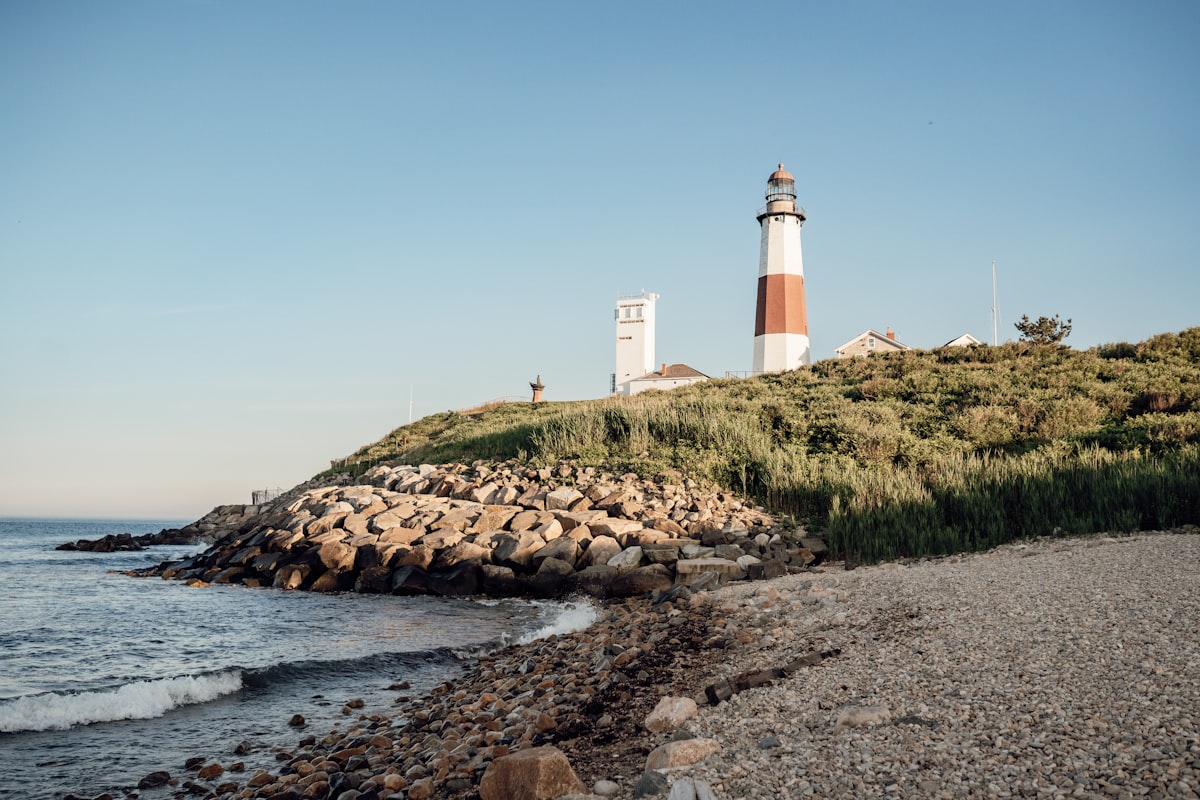
Montauk sits at the eastern tip of Long Island, where the Atlantic Ocean meets Block Island Sound. The Point, Montauk Point, the lighthouse, the rocks, is the geographic fact that makes everything else work. The currents that sweep past the Point create rips, eddies, and upwellings that concentrate bait, which concentrates predators, which has concentrated anglers here since before anyone thought to call it the Surf Fishing Capital of the World.

The town runs on fishing. The charter fleet at Montauk Harbor is the largest in New York. The surf casters who line the rocks below the lighthouse at 4 AM are part of a tradition that goes back decades. And the offshore fishery, bluefin tuna, sharks, and canyon species, puts Montauk in the same conversation as the great Atlantic ports.

Planning to fish the End yourself? Our beginner's guide to fishing Montauk covers the surf spots, gear, and how to fish the rips. For more Northeast water, see Cape Cod.

The Surf, Montauk Point and the Lighthouse

Surf fishing at Montauk Point is the tradition that built the town's reputation. The rocky shoreline below the lighthouse creates a natural convergence zone where currents collide, bait stacks, and striped bass feed within casting range of the rocks.

Striped bass are the reason surf casters make the drive. The fall run, September through November, is the main event. Schools of bass migrating south from New England round the Point, and the fish stack in the rips and along the boulder fields to feed on bunker, herring, and sand eels. Fish of 20 to 40 pounds are caught from the rocks, and 50-pound stripers are landed every season. The pre-dawn hours are prime, you're standing on wet boulders in the dark, casting plugs into the white water, and the strike of a big striper is a full-body experience.

Spring (May–June) brings the northbound migration, bass moving up the coast toward New England, stopping to feed at the Point. The spring run is less concentrated than fall but produces some of the largest fish of the year.

Bluefish run the Point aggressively in summer and fall, often mixed with the bass. They hit hard, fight dirty, and cut through leaders. Albies (false albacore) and bonito show up in September and October, small, fast, and addictive on light tackle or fly gear.

Inshore, The Rips and the Reefs

Beyond the surf, the inshore waters around Montauk hold structure and current that produce year-round.

The Montauk rips, where tidal currents flowing between the ocean and the sound create standing waves and churning water, are natural fish magnets. Striped bass, bluefish, and bonito stack in the rips during the warmer months, and fishing them from a boat, drifting live eels, trolling umbrella rigs, or casting jigs into the white water, is classic Montauk.

Fluke (summer flounder) are the inshore bottom-fishing staple from June through September. The sandy areas and channel edges around Montauk produce big fluke, "doormats" over eight pounds. Drifting with bucktail jigs tipped with strip bait or squid is the standard technique, and Montauk is one of the best fluke destinations on the East Coast.

Black sea bass and porgy (scup) hold on the rocky reef structure and provide reliable bottom-fishing action when the glamour species aren't cooperating.

Offshore, Tuna, Sharks, and the Canyons

Montauk's offshore fishery reaches from the near-shore waters out to the submarine canyons 60 to 100 miles south, where the continental shelf drops into the deep Atlantic.

Bluefin tuna are the offshore headline. Montauk is one of the premier bluefin ports on the East Coast, with fish running from schoolies (20–50 pounds) to giants over 500 pounds. The bluefin show up in June and stay through November, with the peak in June–July for the first push and September–October for the fall return. Chunking and live-baiting on the offshore grounds, or trolling the inshore rip lines, both produce.

Yellowfin tuna run the canyon edges in summer and fall. Mahi-mahi hold under debris offshore. Sharks, mako, thresher, and blue sharks, are targeted by dedicated shark charters from June through October, with makos drawing the most attention for their speed and aerial fights.

Canyon trips for yellowfin, bigeye tuna, swordfish, and wahoo run to the Hudson Canyon, Block Canyon, and other deep-water features. These are long days, 14 to 18 hours, and priced accordingly, but the fishing at the canyon edges is world-class.

When to Go

  • May–June: Spring striper run, bluefin tuna arrive, fluke season opens
  • July–August: Peak offshore, bluefin, sharks, canyon trips, fluke inshore
  • September–October: The fall striper run, albies and bonito, bluefin return, the best month of the year
  • November–December: Late-fall stripers and big bluefish, winter bluefin for the dedicated

Recommended gear

  • Penn Battle III 5000 Combo

    Mid-tier, Montauk surf stripers and offshore

  • Shimano Saragosa SW 6000

    Premium, big stripers at the Point, tuna offshore

  • Penn Pursuit IV 5000 Combo

    Entry level, surf casting the beach

  • Daiwa SP Minnow Bone

    Walk-the-dog for Montauk Point stripers at dawn

  • Super Strike Little Neck Popper

    Surface plug for blitzing Montauk stripers

  • Hogy Epoxy Jig 2oz White

    Cast to false albacore in the fall run

  • Shimano Butterfly Flat-Fall Jig 200g

    Cod and sea bass on Montauk's offshore wrecks

Frequently asked

What fish can you catch at Montauk?

Striped bass and bluefish are the headliners, caught from the surf and the boat, especially during the fall run. Fluke (summer flounder) and false albacore fill the warmer months, and the offshore fleet runs for bluefin tuna, sharks, and canyon species like yellowfin and mahi-mahi.

Do you need a fishing license to fish Montauk?

New York does not charge for a saltwater fishing license, but anglers fishing marine waters on their own must enroll (free) in the New York Recreational Marine Fishing Registry. If you book a charter or party boat, the vessel's license covers everyone aboard and no registration is needed.

When is the fall striper run at Montauk?

The fall striped bass run peaks from September through November, when migrating bass round Montauk Point heading south. Fish of 20 to 40 pounds are caught from the surf, with 50-pounders landed every season. October is generally the best single month, when the surf below the lighthouse and the harbor fleet see their heaviest striper action.

Can you catch bluefin tuna from Montauk?

Yes, Montauk is one of the premier bluefin tuna ports on the East Coast. Fish range from 20-pound schoolies to giants over 500 pounds. The season runs June through November, with peaks in June–July and September–October. Both near-shore chunking and offshore trolling produce.

What is surf fishing at Montauk Point like?

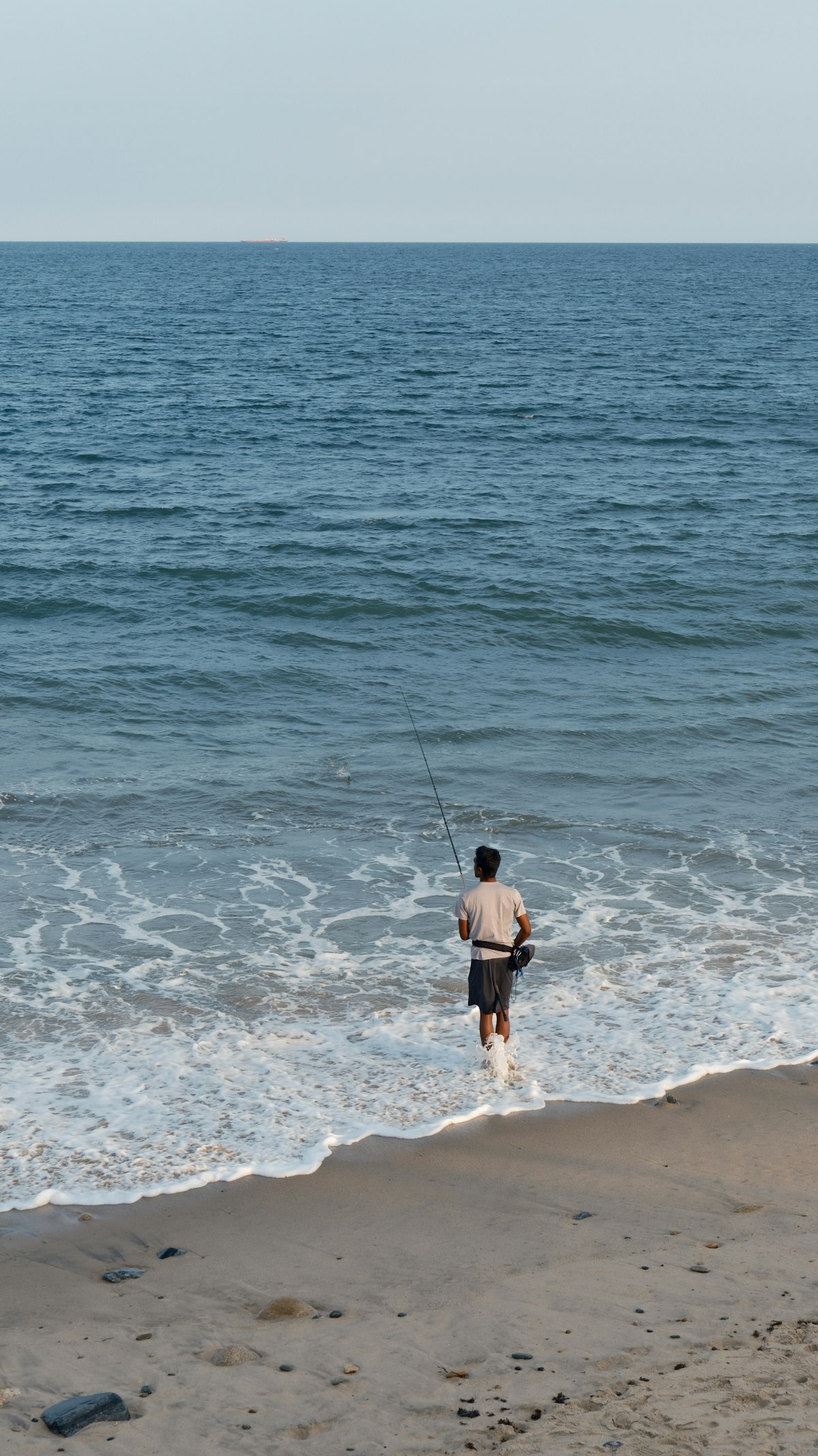
Surf fishing at the Point means standing on rocks below the lighthouse, often in the dark before dawn, casting plugs into the rips and white water where striped bass, bluefish, and albies feed. It's physical, technical, and deeply traditional, Montauk is called the Surf Fishing Capital of the World for a reason.

What are the Montauk rips?

The rips are areas of turbulent water created by tidal currents flowing between the Atlantic Ocean and Block Island Sound around Montauk Point. The churning water concentrates bait and predators, striped bass, bluefish, and bonito stack in the rips, making them prime fishing grounds by boat.

How much do Montauk fishing charters cost?

Inshore and striper trips run $600-700 for a half day and $1,000+ for a full day. Tuna and shark trips cost $1,500 or more. Canyon charters (14-18 hours) start at $2,500. Prices vary by boat size, target species, and season. Fall trips book earliest.

More New York field notes

Urban Fishing in New York City: Stripers Under the Skyline, Bass in Central Park, and 520 Miles of Fishable Shoreline

New York City, NY

Urban Fishing in New York City: Stripers Under the Skyline, Bass in Central Park, and 520 Miles of Fishable Shoreline

New York City has over 520 miles of shoreline, dozens of fishable park ponds, and striped bass running the Hudson and East Rivers every spring and fall. You do not need a boat. You do not need to leave the five boroughs.

How to Fish Montauk: A Beginner's Guide to Surf Casting, Party Boats, and the Striper Blitz

Montauk, NY

How to Fish Montauk: A Beginner's Guide to Surf Casting, Party Boats, and the Striper Blitz

Everything a first-timer needs to fish Montauk, surf casting for striped bass at the lighthouse, party boats for fluke and sea bass, offshore charters for tuna, and what gear actually works on the rocks. Rigs, bait, tackle, and practical tips.

How to Fish Lake Placid, New York: A Beginner's Guide to the Adirondacks

Lake Placid, NY

How to Fish Lake Placid, New York: A Beginner's Guide to the Adirondacks

Lake trout in deep, clear water, the legendary Ausable River, and brook trout in backcountry ponds, the Adirondack High Peaks are a coldwater angler's dream. Here's how a first-timer gets started in Lake Placid.

New York, NY

The Royal Wulff: How to Tie the Attractor Dry Fly That Changed Everything

The Royal Wulff is the most recognizable dry fly ever tied, white hair wings, peacock and red body, and enough buoyancy to ride the roughest pocket water on earth. Here's the history, the recipe, the variations, and where to fish it.

Lake Placid Fishing: Brook Trout, Landlocked Salmon, and the Adirondack Tradition

Lake Placid, NY

Lake Placid Fishing: Brook Trout, Landlocked Salmon, and the Adirondack Tradition

Lake Placid sits in the heart of the Adirondacks, where cold mountain lakes hold landlocked salmon and lake trout, and the rivers still carry native brook trout in water that hasn't changed in centuries.

How to Fish the St. Lawrence River: A Beginner's Whole-River Guide to Smallmouth, Muskie, and Pike

St. Lawrence River, NY

How to Fish the St. Lawrence River: A Beginner's Whole-River Guide to Smallmouth, Muskie, and Pike

The St. Lawrence River and its Thousand Islands are one of North America's finest multispecies fisheries, arguably the best smallmouth bass river anywhere, plus world-class muskie, pike, walleye, and sturgeon. Here's the whole-river guide.