 Fish
Fish Fire
Fire Hike
Hike Bird
Bird

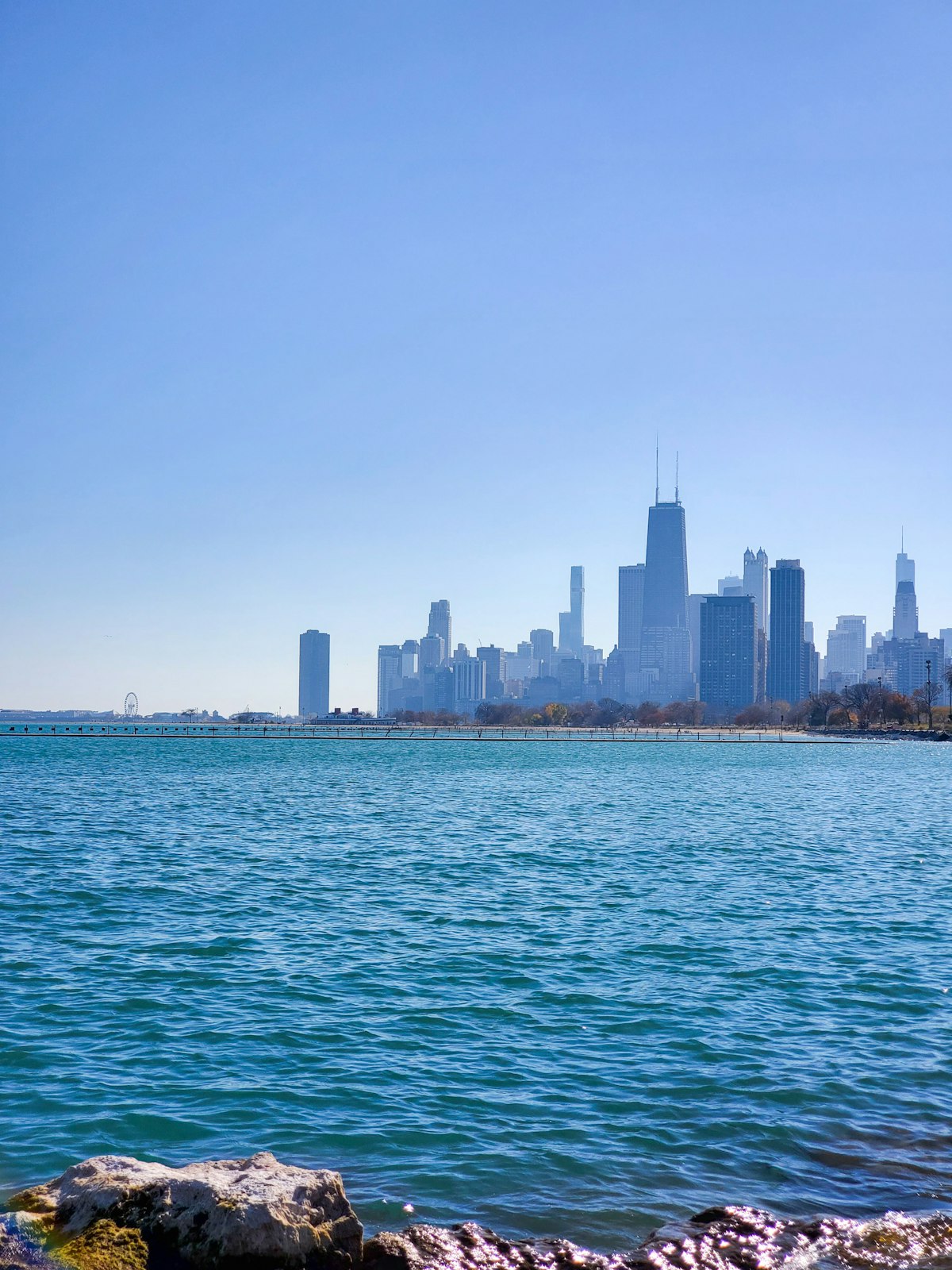

Chicago has 22 miles of Lake Michigan shoreline running through the middle of a city of 2.7 million people, and almost all of it is publicly accessible. King salmon over 20 pounds stage in the harbors every fall within casting distance of joggers, tourists, and commuters. Coho salmon and steelhead push into the breakwalls in spring. Smallmouth bass hold under every bridge piling on the Chicago River downtown, ambushing crawfish and gobies while water taxis pass overhead. Thirteen park lagoons scattered across the city's neighborhoods get stocked with bluegill and channel catfish every summer. And yellow perch, the fish that built Chicago's sportfishing reputation, school along the breakwalls and piers year-round.
This is not a "drive to Wisconsin" guide. This is fishing inside the city of Chicago, accessible by the CTA, the Metra, a bike, or your own two feet. No boat. No truck. Just a rod, a transit card, and the knowledge of where the fish are.
The Lakefront: Salmon and Steelhead from Shore
Lake Michigan's salmon fishery is one of the great freshwater fisheries in America, and Chicago's harbors put you on the front lines of it without needing a boat. Every fall, Chinook (king) salmon and coho salmon stage in Montrose Harbor, Diversey Harbor, Belmont Harbor, and the harbors south of the Loop before pushing into tributaries to spawn. In spring, coho and steelhead run through the same harbors heading for stocking sites and creek mouths. The fish are big, kings regularly run 15 to 25 pounds, coho 5 to 12 pounds, steelhead 5 to 10 pounds, and they are catchable from the rocks, piers, and breakwalls that line the lakefront.
Where on the Lakefront
Montrose Harbor: The crown jewel of Chicago shore fishing. The curved breakwall ("the Horseshoe") offers walk-on access to deep water where salmon stage in fall. Park Bait Shop sits right at the harbor, live bait, tackle, and a fishing report updated regularly. The north pier and rocks produce salmon, steelhead, and perch. Early morning access with free parking before the lot fills.
Diversey Harbor: Walk-on from the lakefront path. The harbor mouth concentrates salmon and steelhead moving along the shoreline. The rocks north and south of the harbor entrance hold smallmouth bass in summer and salmon in fall.
Belmont Harbor: Similar to Diversey, harbor mouth fishing for salmon and steelhead in season. Less crowded than Montrose. Walk-on from the lakefront path or Belmont Avenue.
DuSable Harbor / Navy Pier North Side: Deep water close to shore near the mouth of the Chicago River. Salmon, steelhead, perch, and the occasional lake trout. Navy Pier's north side is open to anglers with discounted parking ($9 daily, 5 AM entry). DuSable Harbor's breakwall produces perch and smallmouth bass year-round.
Jackson Park Outer Harbor (South Side): A quieter alternative to the North Side harbors. Good steelhead and salmon fishing from the breakwalls. Walk-on from the Museum of Science and Industry area.
Calumet Park (Far South Side): Long beachfront with walk-on access. Salmon and lake trout anglers work the deeper water from the rocks. Less fishing pressure than the North Side spots.
Shore Salmon Techniques
Casting spoons: A 7- to 8-foot medium-heavy spinning rod with a 4000-size reel, 15- to 20-pound braid, 20-pound fluorocarbon leader. Cast Little Cleo or Kastmaster spoons (3/4 to 1 ounce, chrome or firetiger) off the breakwall and retrieve with a slow, erratic wobble. Work the harbor mouths on the incoming current. Dawn and dusk are prime.
Snagging (where legal): Illinois allows snagging for Chinook and coho salmon at designated lakefront locations including Lincoln Park Lagoon (Fullerton Bridge to the south end) during the fall run. A weighted treble hook cast and ripped through staging fish. Check current IDNR regulations for specific dates and locations, snagging rules change.
Spawn sacs and skein: When salmon are staging but not actively feeding, drifting spawn sacs (cured salmon eggs in mesh) along the bottom near harbor walls is deadly. Use a slip float and enough split shot to keep the sac near bottom. Steelhead respond to the same presentation in spring.
Live bait: Large minnows or nightcrawlers on a slip bobber rig, drifted near the harbor walls. Simple and effective for coho and steelhead, especially in spring.
How to Catch Salmon From Shore, Chicago, Illinois, Lake Michigan Downtown Chicago King Salmon From ShoreThe Chicago River: Bass Under the Bridges
The Chicago River runs through the heart of downtown, splitting into North and South Branches, flowing past glass towers and under iconic drawbridges, and it holds a surprisingly healthy population of smallmouth bass, largemouth bass, channel catfish, carp, and crappie. The river has undergone a decades-long cleanup, and the fishing has improved dramatically. Smallmouth bass use the rocky edges, bridge pilings, and current seams created by the city's infrastructure as ambush points, feeding on round gobies and crawfish.
Where on the Chicago River
Main Branch (Downtown / The Loop): Walk-on access from the Chicago Riverwalk. The Riverwalk stretches from Lake Shore Drive west to Lake Street, with multiple levels and access points. Fish from the lower sections where you can reach the water. Bridge pilings hold smallmouth bass. The confluence with Lake Michigan at the river mouth produces salmon in fall.
North Branch (Lincoln Park to Gompers Park): More residential, less boat traffic. Smallmouth and largemouth bass hold near bridge pilings and rocky banks. Walk-on access from Gompers Park, California Park, and multiple bridge crossings. Quieter water with better access than the Main Branch.
South Branch (Ping Tom Memorial Park): Access to quieter water from one of Chicago's best-kept-secret fishing spots. Largemouth bass, channel catfish, and carp in the slower sections. Kayak access available, but shore fishing works from the park edges.
Chicago River Techniques
Smallmouth bass: A 6'6" to 7' medium spinning rod with a 2500-size reel, 8- to 10-pound braid, 8-pound fluorocarbon leader. Ned rigs (TRD on a mushroom jighead) or small paddle-tail swimbaits bounced along the rocky bottom near bridge pilings. Cast upstream and let the current drift your bait past the structure. Tightrope jigs worked slowly through rock piles also produce.
Carp: The Chicago River holds enormous carp, 20 to 30 pounds is not unusual. Corn, bread, or packbait fished on the bottom with a hair rig. Or fly fishing with nymphs and San Juan Worms in the slower sections. Sight-fish for cruisers along the Riverwalk.
Channel catfish: Cut bait (shad, bluegill) or chicken liver on a bottom rig in the deeper pools of the North and South Branches. Best at dusk and after dark.
Urban Smallmouth Bass Fishing, Chicago Harbor, Lake Michigan from the Shoreline Downtown Chicago Lake Michigan Smallmouth Bass FishingPark Lagoons: Stocked and Walk-On
The Chicago Park District maintains 13 stocked lagoons across the city's neighborhoods. The Illinois Department of Natural Resources stocks them with bluegill and channel catfish in June, July, and August, with additional bluegill and catfish stocking in September and October. These are small, shallow lagoons, 2 to 15 acres, surrounded by walking paths, playgrounds, and picnic areas. The fishing is easy, accessible, and designed for families and beginners.
Best Park Lagoons
Humboldt Park Lagoon (West Side): The most popular. Holds largemouth bass, channel catfish, carp, bluegill, and sunfish. A 72-pound carp was pulled from this lagoon in 2021, likely descended from fish stocked decades ago. Walk-on from the park, CTA bus accessible.
Washington Park Lagoon (South Side): Stocked with bluegill and catfish. Also holds largemouth bass and carp. Walk-on from Washington Park, near the DuSable Museum.
Columbus Park Lagoon (West Side): Quieter than Humboldt. Stocked catfish and bluegill. Good largemouth bass fishing around the shoreline structure. Walk-on from Columbus Park.
Douglas Park Lagoon (West Side): Small but productive. Catfish, bass, panfish, and carp. Walk-on from Douglas Park, CTA Pink Line nearby.
Garfield Park Lagoon (West Side): Adjacent to the Garfield Park Conservatory. Stocked catfish and bluegill with resident bass and carp. Walk-on access.
McKinley Park Lagoon (South Side): A neighborhood gem. Stocked catfish and panfish. Walk-on from McKinley Park.
Lincoln Park Lagoon (North Side): Unique among Chicago lagoons, connected to the lakefront with access to salmon in fall. Snagging for Chinook and coho is permitted from the Fullerton Avenue Bridge to the southern end during the fall run. Also holds bass, panfish, and carp year-round.
Lagoon Techniques
Stocked catfish: Nightcrawlers or chicken liver on a bottom rig, 1/2-ounce egg sinker, 18-inch leader, size 2 circle hook. Cast to the deeper sections and wait. Channel cats in these lagoons run 1 to 4 pounds and bite best in the evening.
Bluegill and panfish: A small piece of nightcrawler or wax worm under a bobber, fished 2 to 3 feet deep near the shoreline. Ultralight rod, 4-pound line. Kids can catch these all day.
Largemouth bass: Wacky-rigged Senko worms or small Beetle Spins cast to shoreline structure, fallen branches, and the deeper pockets. The bass in these lagoons are pressured, finesse presentations outperform power fishing.
Yellow Perch: Chicago's Signature Fish
Yellow perch are the fish most associated with Chicago shore fishing. They school along the breakwalls, piers, and harbors of the lakefront from spring through fall, and a good perch run brings out hundreds of anglers to Montrose Harbor and the North Side breakwalls.
Where and When
Perch bite best from May through October (note: perch season is closed May 1 through June 15 to protect spawning fish, check current IDNR regulations). Montrose Harbor's Horseshoe breakwall is the most popular perch spot in the city. DuSable Harbor, Diversey Harbor, and the 31st Street Harbor also produce.
How to Catch Them
A light spinning rod (5'6" to 6'6", 4- to 6-pound line) with a small hook (size 6-8) baited with a piece of nightcrawler, wax worm, or small minnow. Fish near the bottom along the breakwall rocks, either under a slip bobber set to depth or on a drop-shot rig. Perch travel in schools, when you find them, the action can be nonstop.
Perch spreader rigs are a Chicago tradition: a wire spreader with two hooks at different depths, each baited with a small minnow, fished vertically or cast and slowly retrieved along the rocks.
Chicago Smallmouth Bass and Coho Salmon FishingFishing Licence and Regulations
Illinois fishing licence: Required for anyone 16+. Resident annual $15. Nonresident annual $31.50. Available online at ExploreMoreIL.com. One of the cheapest fishing licences in the country.
Lake Michigan salmon stamp: Required in addition to the fishing licence for trout and salmon fishing on Lake Michigan. $6.50.
Yellow perch: Season closed May 1 through June 15. Daily limit 15 per day. No minimum size.
Salmon: Chinook daily limit 2, coho daily limit 5. Snagging permitted at designated locations during fall, check IDNR for specific dates and areas.
Smallmouth bass: Catch-and-release only on the lakefront March 1 through June 15 (spawning protection). Otherwise, daily limit 6, minimum 12 inches.
Park lagoons: Open March through October, 6 AM to 11 PM. Standard IDNR inland regulations apply.
Lakefront and harbors: Open year-round, 6 AM to 11 PM (extended to 1 AM during April smelt season).
When to Fish
April-June (Spring): Coho salmon and steelhead push through the harbors. Smallmouth bass spawn along the breakwalls (catch-and-release only through June 15). Smelt dipping in April (a Chicago tradition). Park lagoons open for the season.
July-August (Summer): Perch along the breakwalls. Stocked catfish and bluegill in the park lagoons. Chicago River bass peak. Early morning before the lakefront fills with beachgoers.
September-November (Fall): King salmon staging in Montrose and Diversey Harbors, the main event. Coho running. Perch and smallmouth bass still biting. The best all-around fishing season in Chicago.
December-March (Winter): Lake trout and brown trout from the warmer discharge areas. Hardy anglers fish the harbor walls for steelhead. Park lagoons closed. Ice fishing on inland lakes outside the city (not in Chicago proper, but close).
Practical Details
Getting there: CTA Red, Brown, and Purple Lines reach the North Side harbors. The 78 Montrose bus drops you at Montrose Harbor. The Chicago Riverwalk is a short walk from any Loop L station. South Side harbors are accessible by CTA bus and Metra Electric. A folding rod or two-piece rod in a tube works on the L, nobody will blink.
Gear that travels: A two-piece 7-foot medium spinning rod and a small tackle bag covers lakefront salmon, river smallmouth, lagoon bass, and perch. For salmon specifically, step up to a medium-heavy 7'6" rod with a 4000-size reel and heavier line. Park Bait Shop at Montrose sells bait, tackle, and licences.
Tackle shops: Park Bait Shop (Montrose Harbor, the institution), Henry's Sports and Bait (Bridgeport, since 1959), Bass Pro Shops (Bolingbrook, outside city but closest big-box). Park Bait is the go-to for lakefront reports and local intel.
If you are exploring the Great Lakes further, check out urban fishing in Detroit for the walleye run on the Detroit River, or urban fishing in Milwaukee for salmon and steelhead from shore on the other side of the lake. For a quieter Midwest urban fishery, see urban fishing in Minneapolis, muskie in city lakes you can bike to.
Safety: Fish in daylight or with a partner. The lakefront is heavily used and generally safe during the day. Some South Side and West Side lagoon parks are quieter, use judgment after dark. Watch your footing on wet breakwall rocks. Wear cleats or grippy shoes on the rocks at Montrose.
Eating your catch: Perch from Lake Michigan are excellent table fare. Salmon and steelhead are generally safe to eat. Chicago River fish have consumption advisories, catch and release is the smart call. Park lagoon fish: check IDNR advisories.