Running a Guide Business in Areas with No Cell Service
Remote lakes, backcountry rivers, and offshore waters have one thing in common — no signal. Offline-first guide software lets you check your schedule, log trips, and capture photos without a bar of service. Everything syncs when you are back in range.
Colin Van Dyke
Tuesday, May 19, 2026
Today's Trip
Johnson Party — Full Day Bass — 4 guests
Trip Notes
Water temp 68°F, topwater bite hot early
Trip Photos
3 photos queued for upload
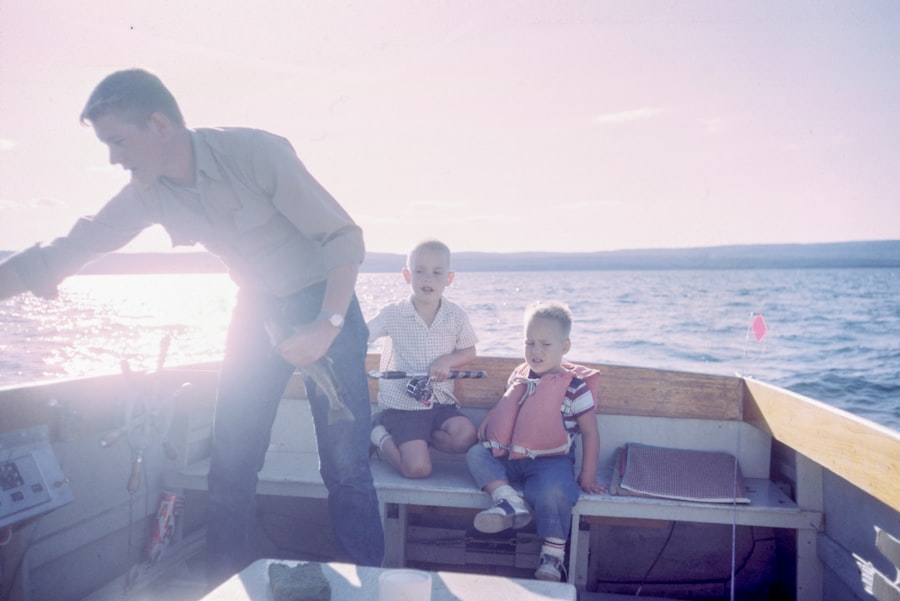
You are anchored on a lake 40 miles from the nearest paved road. Your client just landed a 24-inch cutthroat on a dry fly, and you want to snap a photo for your social media. You pull out your phone and see what you always see out here: no signal.
That photo is stuck on your phone until you drive back to town tonight — or tomorrow, if this is a multi-day trip. The booking request that came in an hour ago? You will not see it until then either. The client who texted to confirm tomorrow's trip? They are wondering why you have not responded.
This is the daily reality for guides who work in remote areas. And in the outdoor guiding industry, remote areas are not the exception. They are where the best fishing, hunting, and adventure experiences happen.
The Connectivity Gap in Guide Country
The places clients pay top dollar to visit are almost always the places with the worst cell coverage:
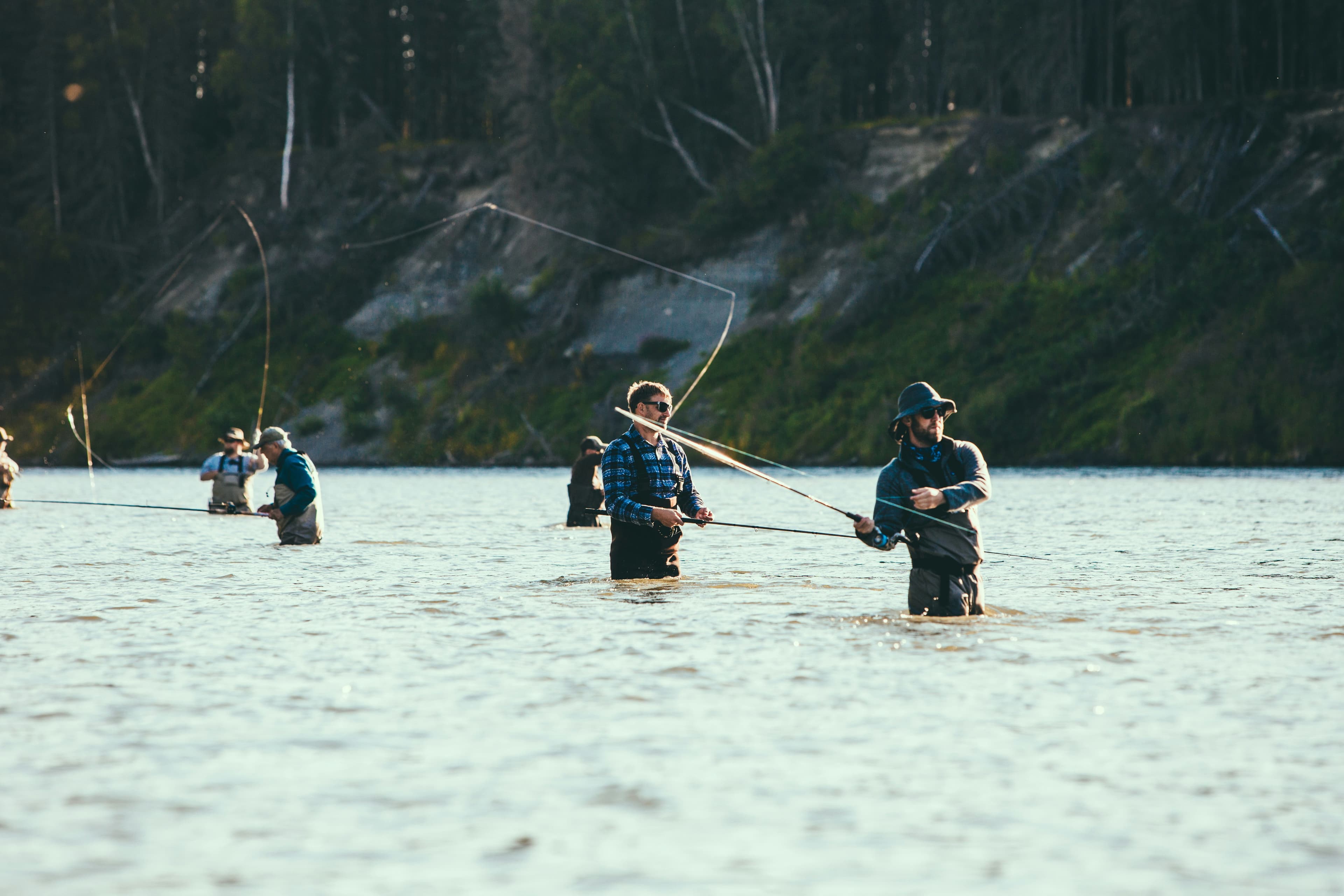
- Backcountry rivers and lakes. Mountain valleys block signals. Dense forest canopy weakens them further. Many blue-ribbon trout streams are a full canyon away from the nearest tower.
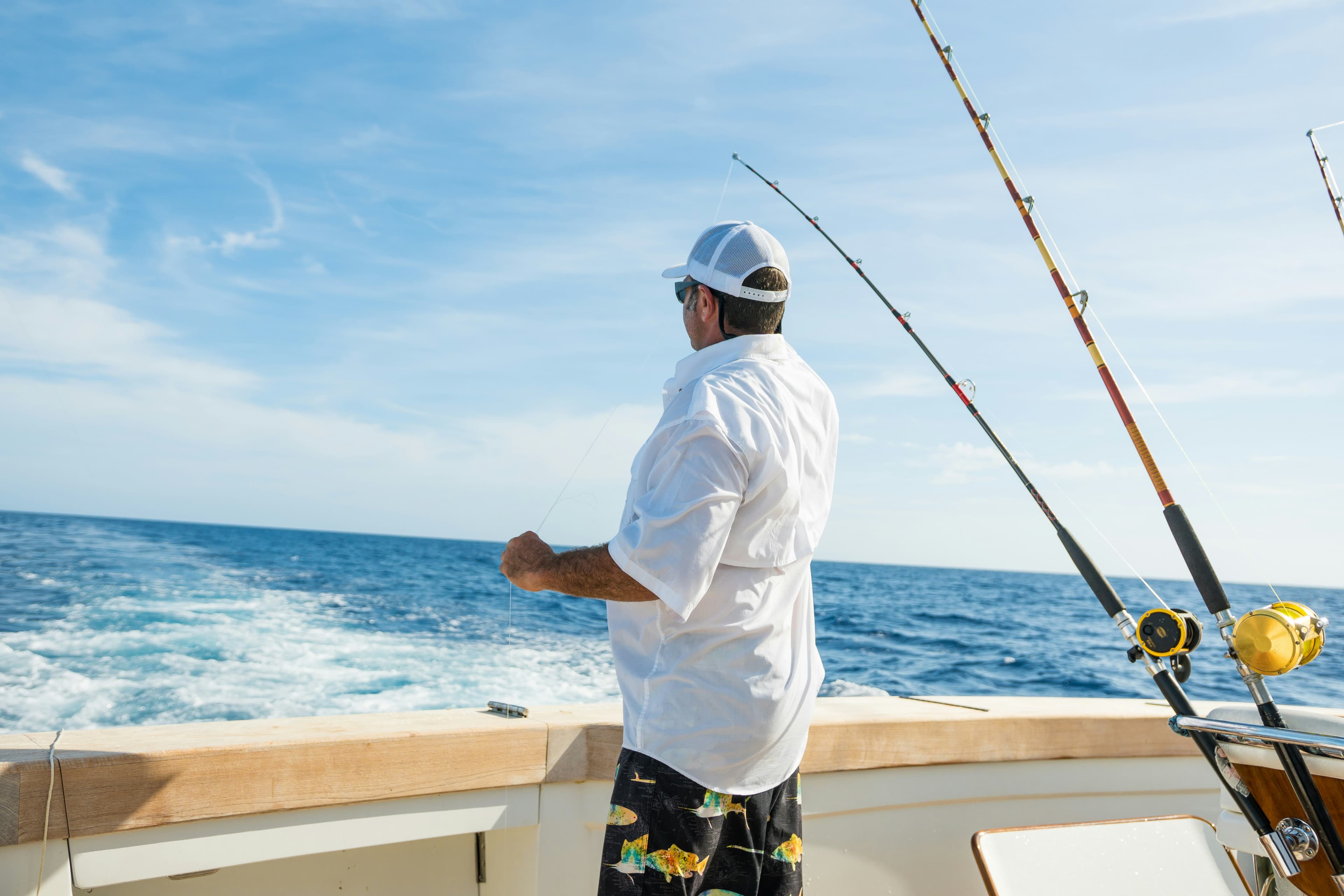
- Offshore waters. Cell service drops off sharply beyond a few miles from shore. Deep-sea fishing charters, island-hopping trips, and open-water salmon trolling all operate well outside reliable coverage.
- National forests and wilderness areas. By design, these areas have minimal infrastructure. That is what makes them special — and what makes running a business from them challenging.
- Remote hunting areas. Elk camps in the backcountry, waterfowl blinds in marshlands, upland bird hunts on private ranch land. None of these places have cell towers.
The irony is acute: the experiences that justify premium guide pricing are the ones that make professional communication nearly impossible.
What Guides Lose Without Connectivity
The lack of cell service creates cascading problems that affect every aspect of a guide business:
Missed bookings. When a potential client sends a booking request at 10 AM and you do not respond until 8 PM because you were on the river all day, you have already lost them. They booked with someone who responded in 20 minutes. Response time is the single biggest factor in booking conversion, and offline guides have a structural disadvantage.
Schedule confusion. Was tomorrow's trip confirmed or tentative? Did the Thursday client switch to Friday? When your schedule lives on a server you cannot reach, you are working from memory — and memory is unreliable after a long day on the water.
Lost content. The grip-and-grin photos from today's trip are marketing gold. But if they sit on your camera roll for three days before you get back to Wi-Fi, the moment has passed. Social media rewards immediacy. A photo posted the day it was taken gets ten times the engagement of one posted a week later.
Client anxiety. Clients who cannot reach their guide get nervous. Is the trip still on? Should they bring rain gear? What time should they meet? When you are unreachable, clients fill the silence with worry — and worried clients leave worse reviews, even when the trip itself is excellent.
Administrative backlog. Every day you spend offline is a day of administrative tasks that pile up. Trip logs, expense tracking, client follow-ups, and booking confirmations all wait until you are back in range, creating a chaotic catch-up session that eats into your evening or your next morning.
The Offline-First Approach
Offline-first software flips the connectivity problem on its head. Instead of requiring a constant connection and failing when one is not available, it assumes you will be offline and builds around that reality.
Here is what offline-first means in practice:
Your schedule downloads to your device. Before you leave cell range in the morning (or the night before, automatically), your app syncs your complete schedule: upcoming trips, client names, contact info, meeting locations, special requests, and notes. All of it lives on your phone, accessible without any connection.
You can work while offline. Check tomorrow's trip details at the boat ramp with no signal. Log trip notes — water conditions, hatch information, catch counts — during or after the trip. Take photos and tag them to the correct trip and client. Record expenses. All of this happens locally on your device.
Everything syncs when you reconnect. Drive back into town, connect to your home Wi-Fi, or hit a pocket of cell service on the highway — and your app syncs automatically. Trip logs upload. Photos transfer. Any bookings or messages that came in while you were out appear on your screen. No manual steps, no "remember to sync" reminders.
Conflicts resolve intelligently. What if a client booked a date through the website while you were offline, and you made a note about that same date on your phone? Offline-first systems handle these conflicts with merge logic — your note is preserved, the booking is confirmed, and you are notified of any overlap that needs attention.
Real Scenarios: Offline-First in the Field
The backcountry elk hunt. You are running a five-day guided elk hunt 20 miles from the trailhead. Zero cell service for the duration. With offline-first, you downloaded your full schedule before heading in, including the details for the trip starting the day after you get back. Each evening at camp, you log the day's hunt notes, record any gear issues, and snap photos of the landscape and any harvested game. When you hit the trailhead on day five, everything syncs. Your next client already has a confirmation. Your social media gets five days of content at once.
The remote lake guide. You fish a chain of lakes accessible only by float plane or a long boat ride. Morning service at the dock, then nothing until you return in the evening. Offline-first means you check tomorrow's client details at the dock before launching, take photos and log catches all day, and sync everything at the dock when you return. The booking that came in at noon is waiting for you at 5 PM — and because your system auto-responded to the client with your availability, they are not sitting there wondering if you are ignoring them.
The offshore charter captain. You leave the marina at 5 AM and lose signal within 30 minutes. You are 40 miles offshore by 7 AM and will not see a cell tower until you are back inside the jetties at 4 PM. With offline-first, your trip manifest, client info, safety checklists, and Coast Guard documentation are all on your device. You log catch data throughout the day — species, size, GPS coordinates (your phone's GPS works without cell service). Back at the dock, everything syncs and your trip report is already half-written.
Why This Matters for Your Business
The guides who thrive in remote areas are the ones who have figured out how to run a professional operation despite the connectivity limitations. Offline-first software is not a nice-to-have feature — for remote guides, it is the difference between looking like a professional and looking like someone who disappears for 10 hours a day.
Clients notice. They notice when you have their trip details ready without fumbling. They notice when their photos show up the same evening. They notice when your booking confirmations come through promptly even though you spent the day on a river with no signal.
And here is the part that compounds over time: a guide who captures and syncs trip data consistently builds a dataset that makes their business smarter. Seasonal patterns, catch rates, productive water by time of year, client preferences — all of this data becomes valuable when it is reliably collected, even in areas where the nearest cell tower is 30 miles away.
Learn more about offline operations and stop losing business to dead zones.